


Classical Statue on Plinth
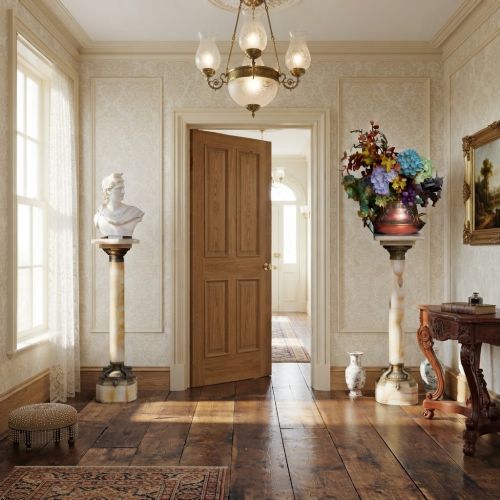
A classical statue on plinth brings architectural dignity and mythological presence to a room, offering sculpted figures raised upon fitted columns or pedestals.
Classical Statue on Plinth
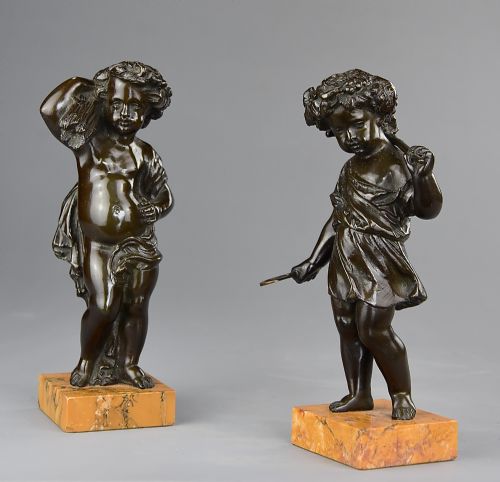
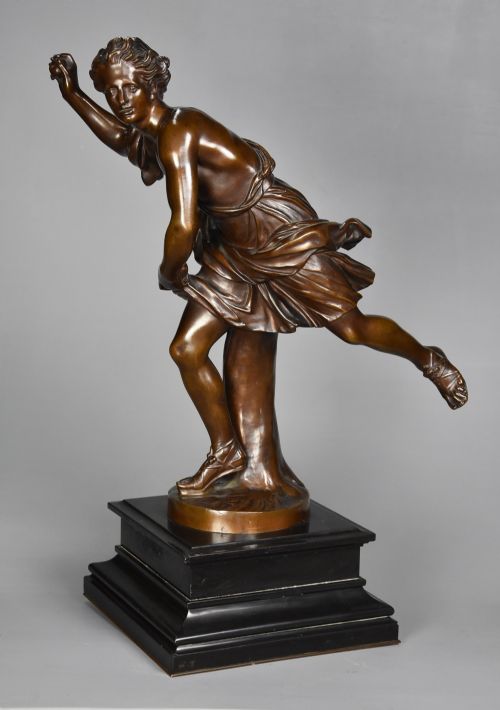
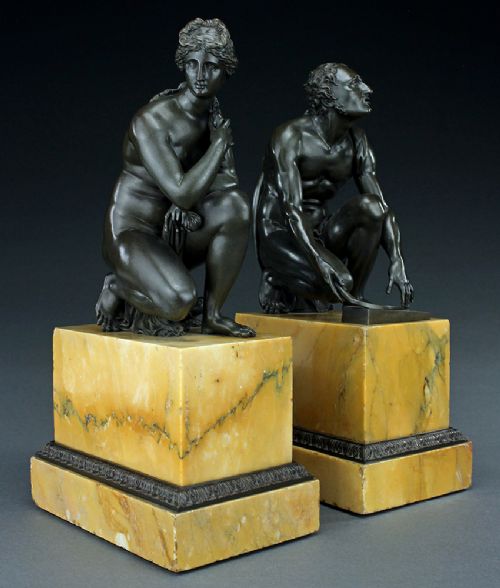
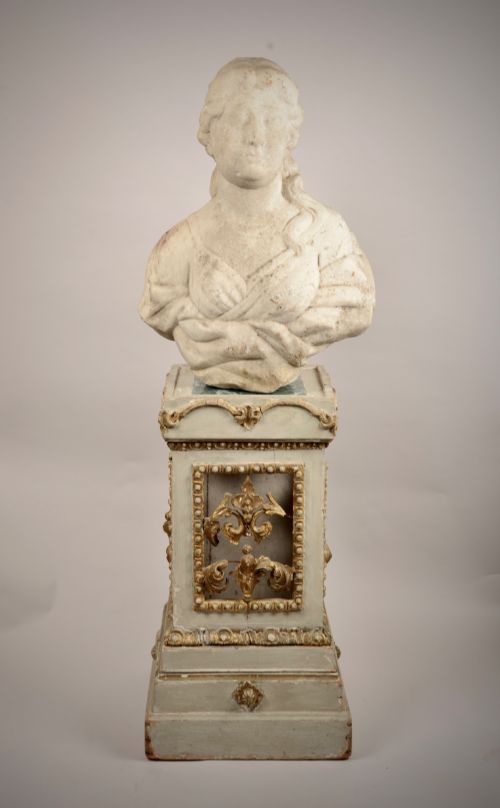
When searching for a classical statue on plinth, a buyer encounters sculpted figures of deities, historical personages and allegorical subjects mounted upon raised pedestals, columns or marble bases. These pieces emerge from the nineteenth century alongside Grand Tour souvenirs and later twentieth-century garden ornaments.
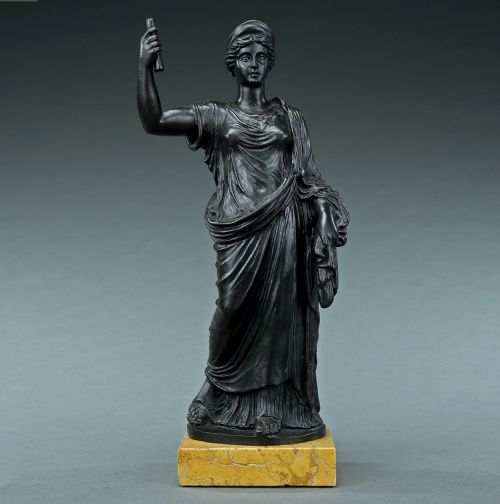
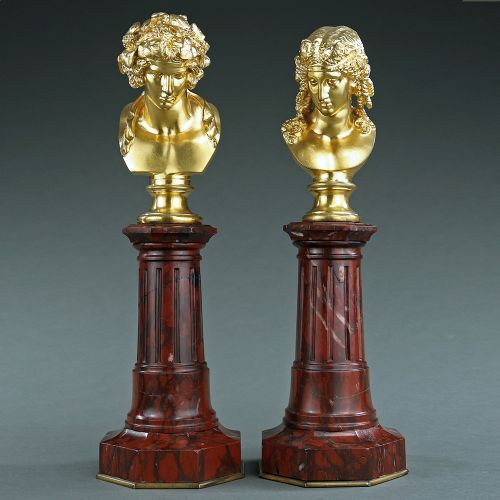
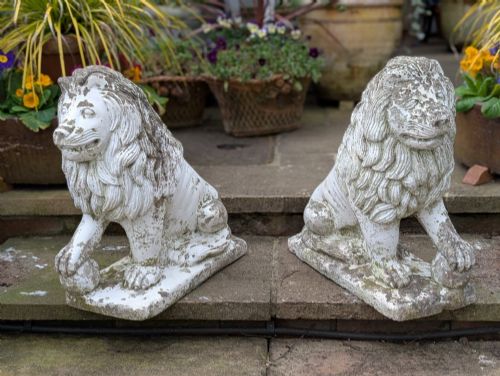
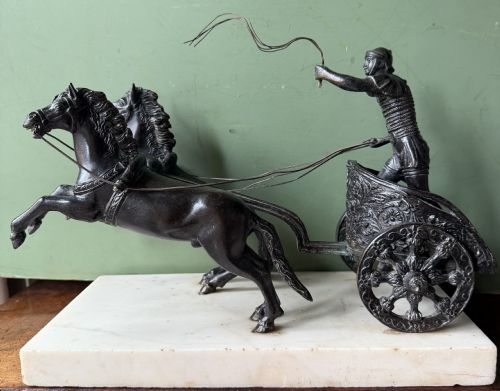
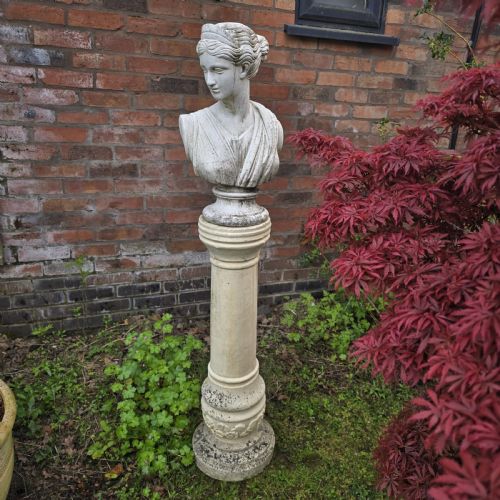
The most common versions met on this page include patinated and gilt bronze reductions of ancient sculptures, carved marble busts, and robust stone figures designed for interior display or garden settings. Pedestals formed from onyx, faux marble, wood and carved stone frequently accompany these figures to elevate them in space.
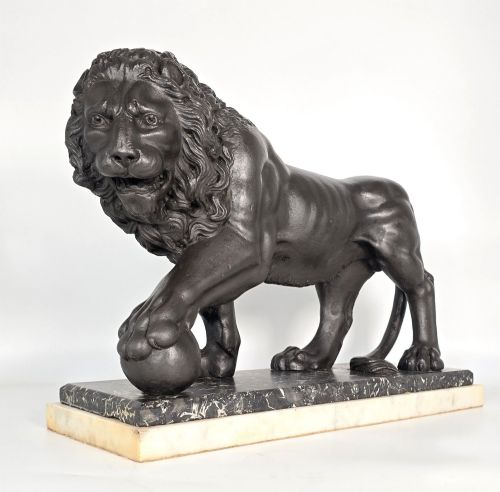
The objects span varied periods from the nineteenth century through to mid twentieth-century garden statuary, encompassing French Neoclassical, Victorian and Grand Tour styles. Figures of goddesses such as Juno, Demeter and Fortuna appear regularly alongside mythical beasts like Medici lions.
Materials and Technique
The listings record skilled casting in bronze and brass, often finished with dark patination or ormolu collars, alongside traditional hand-carving in marble, alabaster and stone. Foundries utilised the lost-wax method for bronzes, capturing fine anatomical detail in figures of deities and mythological subjects.
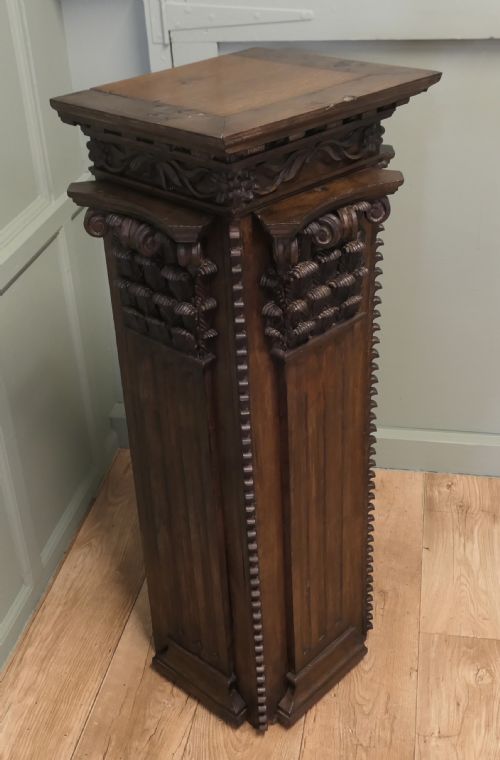
Plaster and terracotta offer alternative moulded forms, sometimes paired with painted wooden columns or turned satinwood and oak pedestals. Natural stones such as Siena and Arabescato marble provide sturdy, weighty plinths that anchor the lighter bronze or marble figures mounted upon them.
Listings feature nineteen-fifties garden statuary alongside nineteenth-century Grand Tour bronzes and Victorian carved wooden columns.
Artistic Merit and Execution
Barbedienne·Claude Michael Clodion·Humphrey Hopper·Fritz Kochendorfer·Aristide Maillol
The Classical Statue on Plinth Glossary
- Grand Tour
- A nineteenth-century travel tradition where wealthy collectors acquired bronze and marble souvenir sculptures in Italy. These reduced-scale copies of classical antiquities formed the core of many private collections.
- Ormolu
- Gilded bronze applied as a decorative mount or collar on pedestals and sculptural bases. The technique involves treating brass or bronze with an amalgam of mercury and gold.
- Patination
- The surface finish or colour achieved on metal through age, chemical treatment or applied pigments. A rich patina enhances the perceived depth of bronze figures.
- Plinth
- A heavy rectangular or cylindrical block acting as a base for a statue, column or bust. It physically elevates and visually grounds the sculpture.
- Torchere
- A tall stand or ornamental column originally designed to carry a torch or candle, often utilised to display a bust or statue at height.
Classical Statue on Plinth: Frequently Asked Questions
What is a classical statue on plinth?
A classical statue on plinth is a sculptural figure, bust or allegorical representation mounted upon a supporting column, pedestal or fitted marble base. These pieces draw inspiration from ancient Greek and Roman art.
They serve as decorative focal points for interiors, hallways and gardens, combining sculptural form with architectural elevation.
Where were Grand Tour bronzes made?
Grand Tour bronzes were typically cast by specialist foundries in Italy, France and other European cultural centres during the nineteenth century. Travellers purchased them as high-status souvenirs.
These pieces reproduced famous classical sculptures seen during continental travels, allowing collectors to display antiquity at home.
How do I style a pedestal display?
A pedestal display works best when positioned in corners, entrance halls or against neutral walls where the silhouette of the sculpture can be appreciated from multiple angles. Matching the weight of the statue to the stability of the column is essential.
Pairing marble or bronze figures with contrasting materials like onyx or turned wood adds visual interest to an interior scheme.
Are garden statues weather resistant?
Garden statues made from cast stone, reconstituted stone and terracotta are built to withstand outdoor environments, though severe frost can affect porous materials. Regular placement on a plinth prevents ground damp from rising into the stone.
Bronze and marble pieces from earlier periods are generally suited for interior display rather than exposed outdoor gardens.