


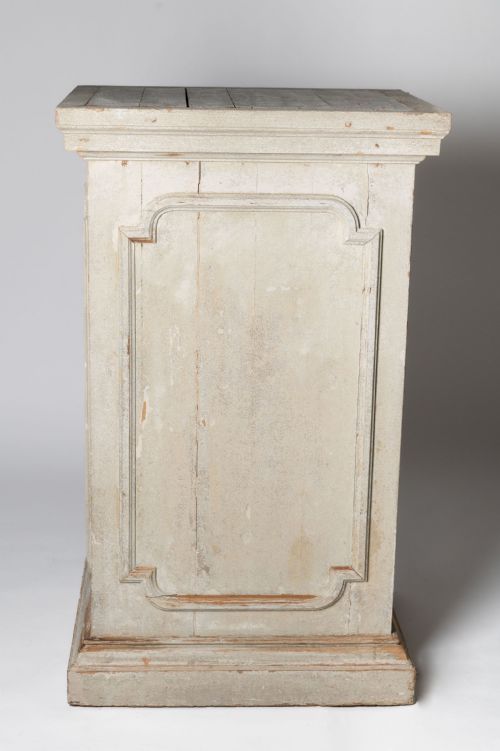
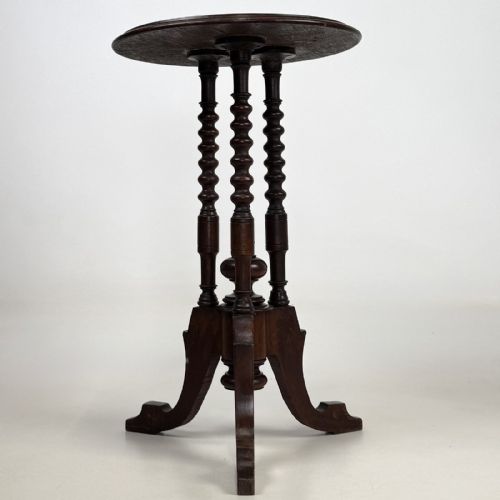
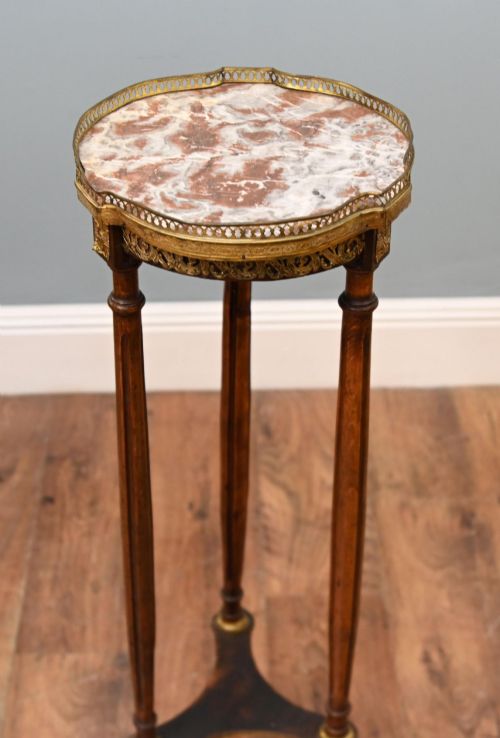
Antique Column Pedestal
These antique column pedestal pieces elevate sculpture and plants with classical authority, offering solid nineteenth-century timber and marble forms.
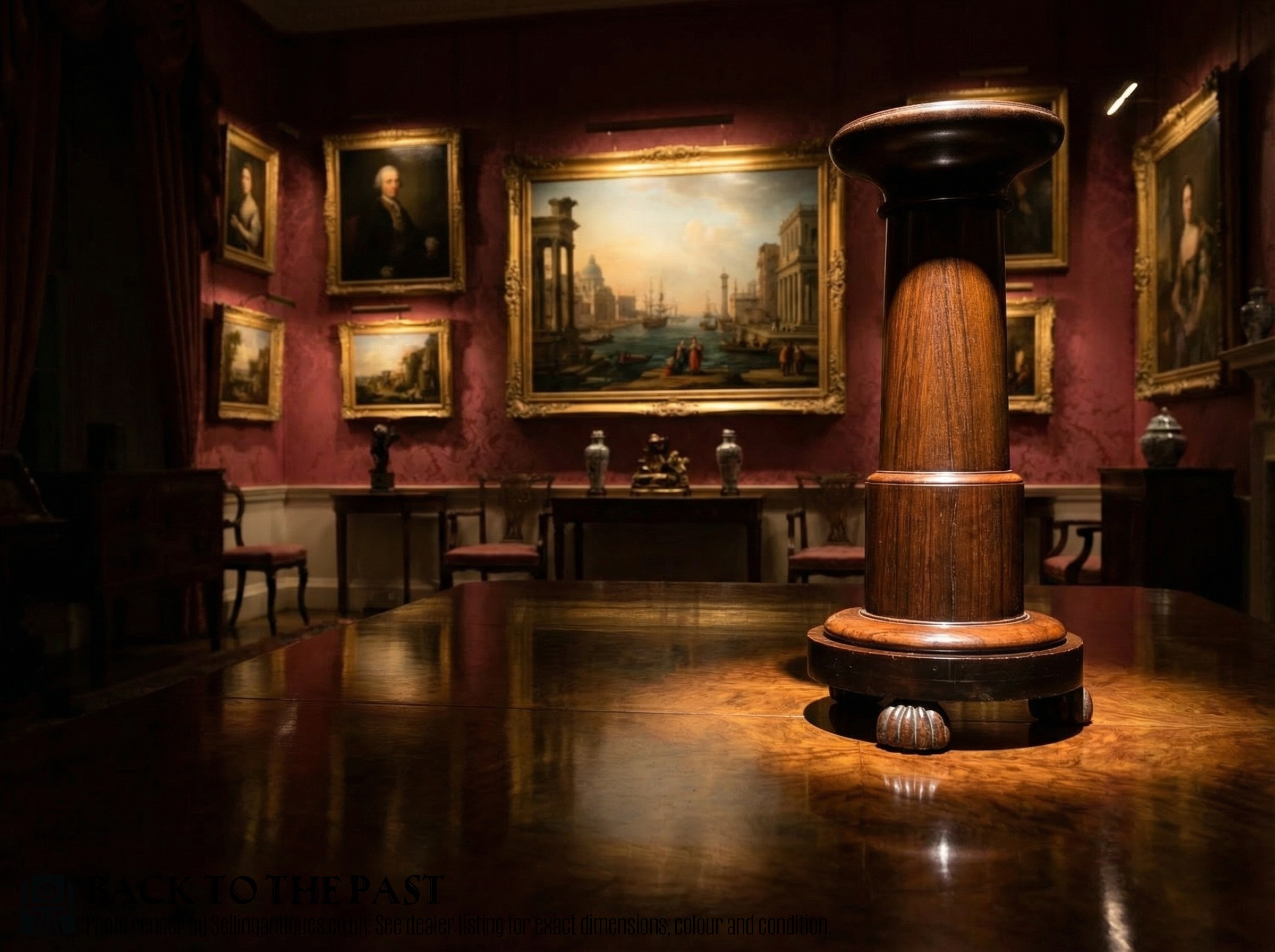
Antique Column Pedestal
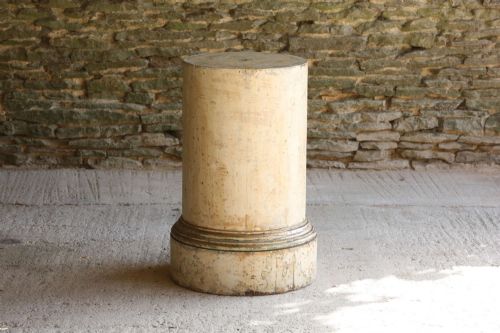
An antique column pedestal serves as a raised display platform for busts, urns, sculptures, and plants within period interiors. These architectural supports lift decorative objects to eye level, creating a commanding focal point in a room.
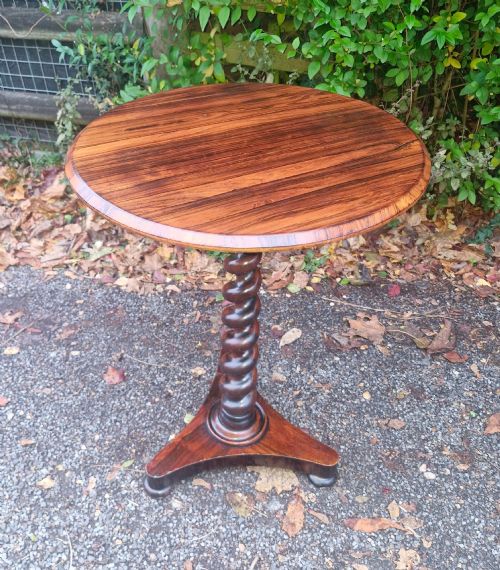
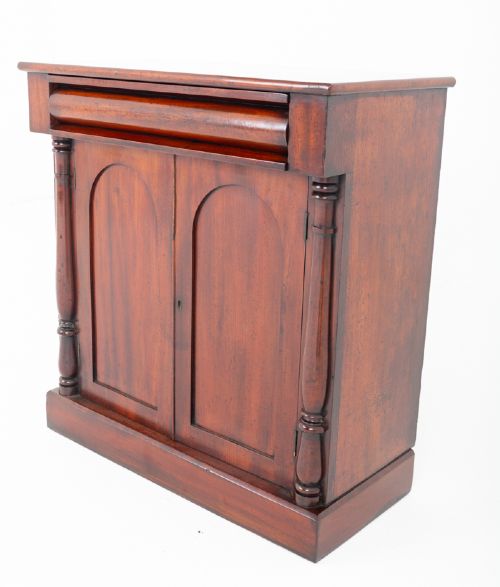
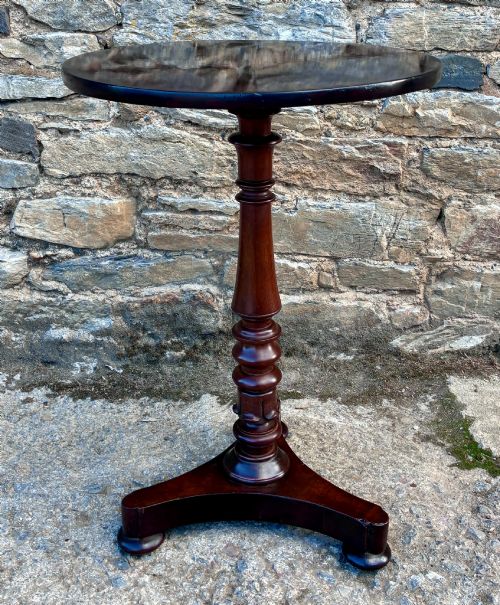
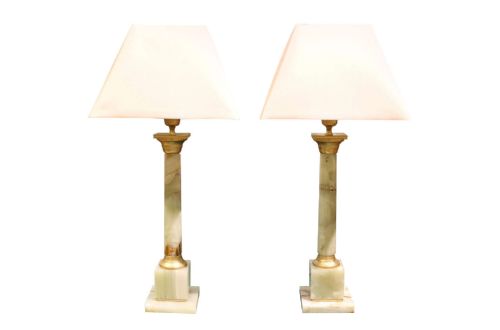
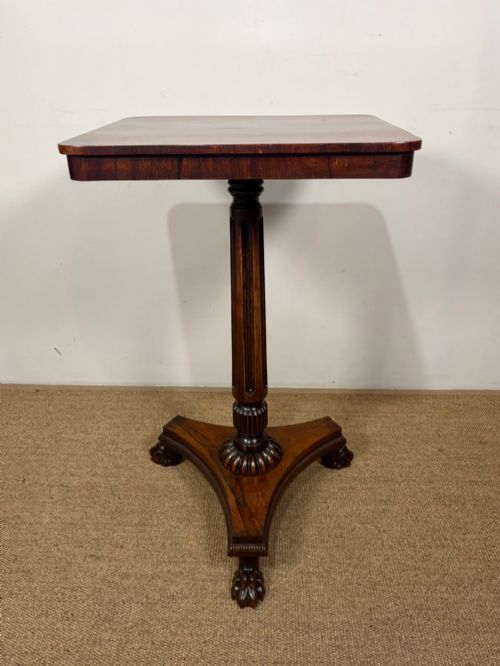
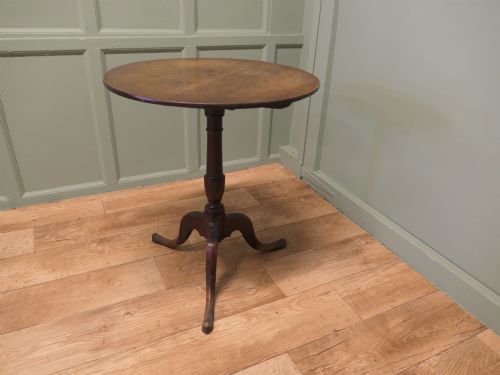
The selections visible here span the nineteenth century, including Victorian, Regency, and French Empire designs. Pieces range from mahogany and walnut display stands to architectural marble and alabaster columns.
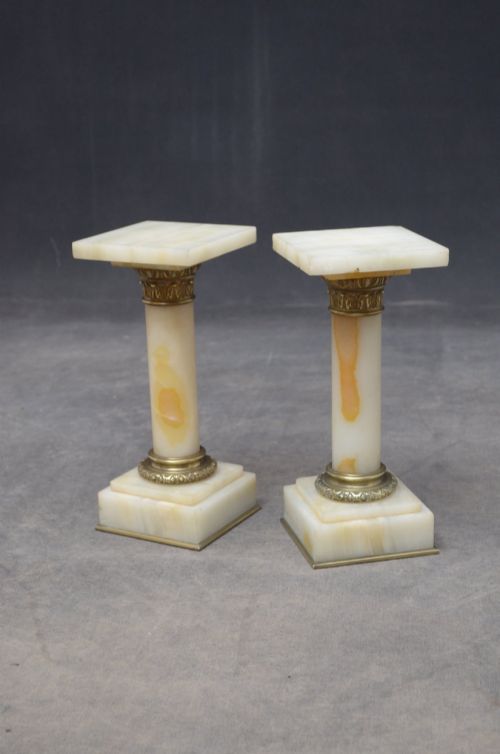
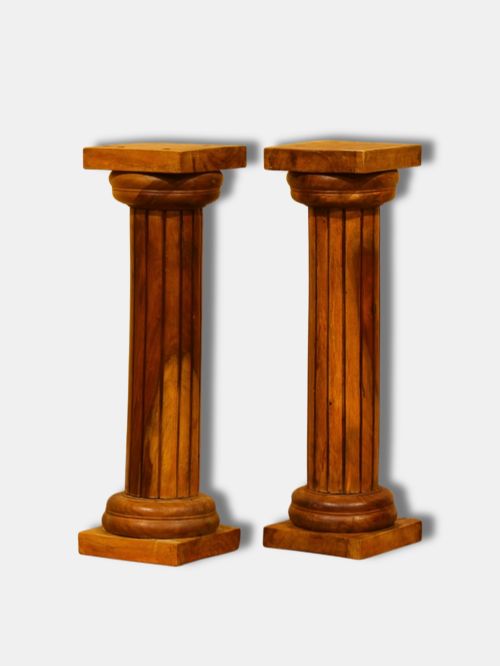
Buyers most frequently encounter timber and marble iterations from the Victorian era and the broader nineteenth century. These include walnut table bust stands, grain-painted pine columns, and rouge marble architectural pedestals.
How They Were Made
Cabinetmakers and stone masons constructed these stands using dense hardwoods and natural minerals. Mahogany, walnut, and rosewood form timber bodies, whilst alabaster and rouge marble provide weighty stone tops and columns.
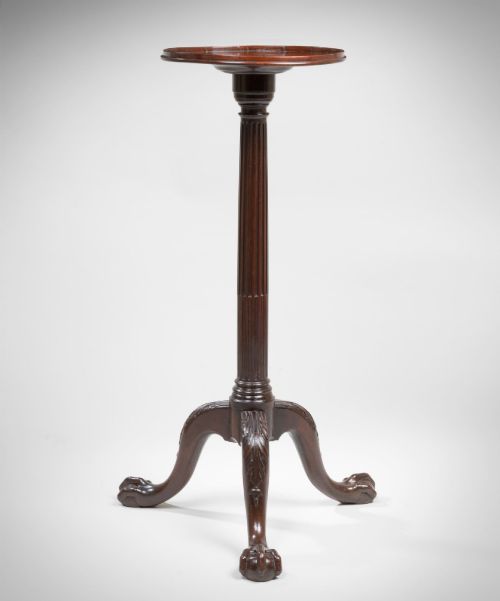
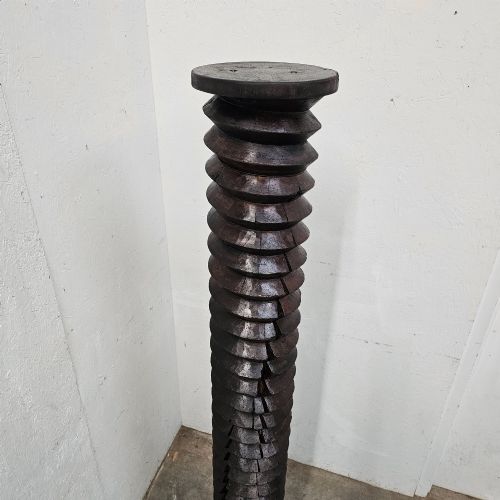
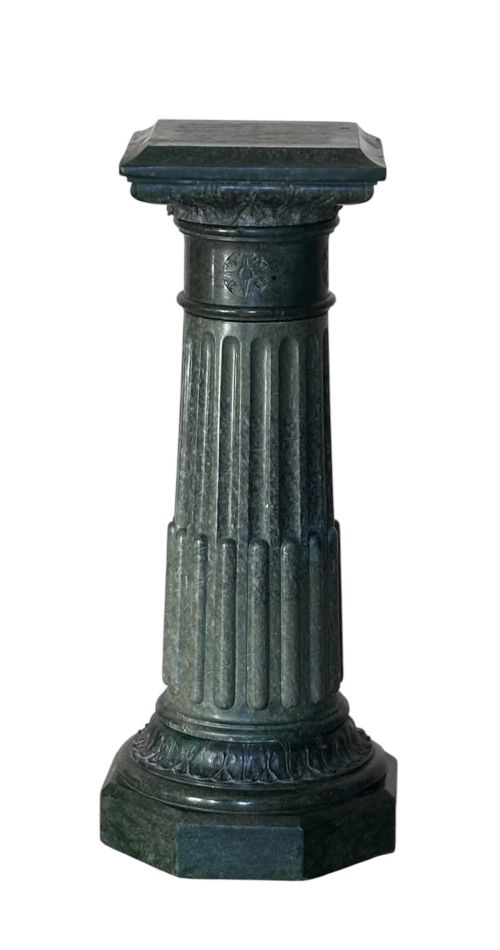
Surface treatments combine traditional joinery with decorative finishes like brass mounts, gesso, and grain painting. Some timber shafts feature fluted carving, pairing structural pine or hardwood with applied classical details.
Antique Column Pedestal Retail Price Guide 2026
Typical asking prices for column pedestal among the pieces listed under this phrase on Sellingantiques today, from the lower quarter to the upper quarter. They describe what is for sale here now, not the wider market.
Some nineteenth-century plant stands doubled as impromptu musical stages for very confident potted ferns.
What Varies in Quality
Quality rests in the purity of the materials and the precision of the classical proportions. Solid marble and figured rosewood or mahogany distinguish heavier architectural forms from simpler painted pine alternatives.
The refinement of the carving, from crisp Corinthian capitals to well-turned fluted bases, separates standard utility stands from ambitious display pieces. Structural stability under heavy stone or bronze loads remains paramount.
Shoolbred
The Antique Column Pedestal Glossary
- Pedestal
- A support or base for a column, statue, or vase. This architectural element elevates display objects above floor level.
- Capital
- The uppermost member of a column, situated above the shaft. Styles range from plain mouldings to ornate Corinthian leaf carvings.
- Fluted
- Decorated with parallel vertical grooves cut into the column shaft. This technique adds vertical emphasis and classical texture.
- Gesso
- A plaster-like mixture applied to wood surfaces as a base for paint or gilding. It provides a smooth ground for decorative detailing.
Antique Column Pedestal: Frequently Asked Questions
How do I style a pedestal?
Place a heavy bronze sculpture, marble bust, or large potted plant on top to anchor the height. Position the stand in an empty corner or flanking a doorway to introduce classical architectural rhythm.
Ensure the weight of the display object matches the heft of the column base. Stone pedestals handle heavy alabaster and marble urns, whilst timber stands suit lighter wooden or bronze figures.
Are these columns solid stone?
Some architectural examples utilise solid alabaster or rouge marble throughout the shaft and top. Others combine timber internal framing with stone tops or decorative painted finishes.
Inspect the weight and material junctions to determine whether you are viewing solid mineral or a timber base designed to imitate stone.
What periods do these date to?
The available pieces originate primarily across the nineteenth century, including specific George IV and Victorian examples. Design influences stretch back to classical antiquity and French Empire aesthetics.
Look for timber types like rosewood and mahogany alongside traditional joinery clues to verify nineteenth-century manufacture.
Can these hold heavy plants?
Nineteenth-century display stands and marble columns were engineered specifically to bear substantial weight, including large planters and heavy sculptures. Solid mahogany and marble versions offer exceptional load-bearing stability.
Verify the diameter of the top surface to ensure your plant pot or urn sits flat and secure without overhanging the edges.