



Vintage Flower Stand
These vintage flower stand designs elevate flora indoors and out, offering sturdy platforms in cast iron, hardwoods, and marble for every room.
Vintage Flower Stand
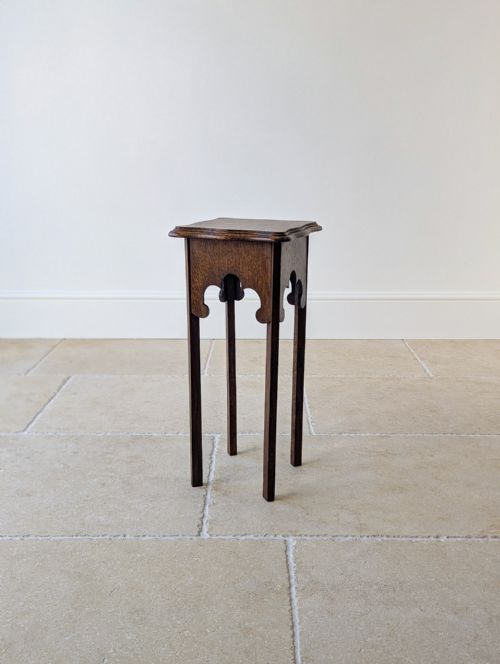
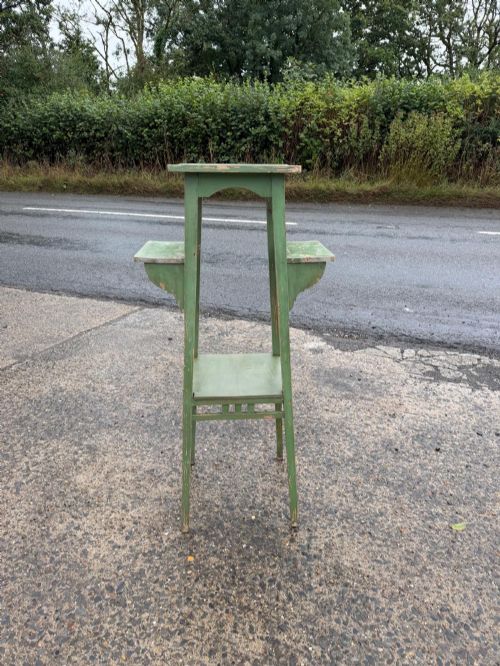
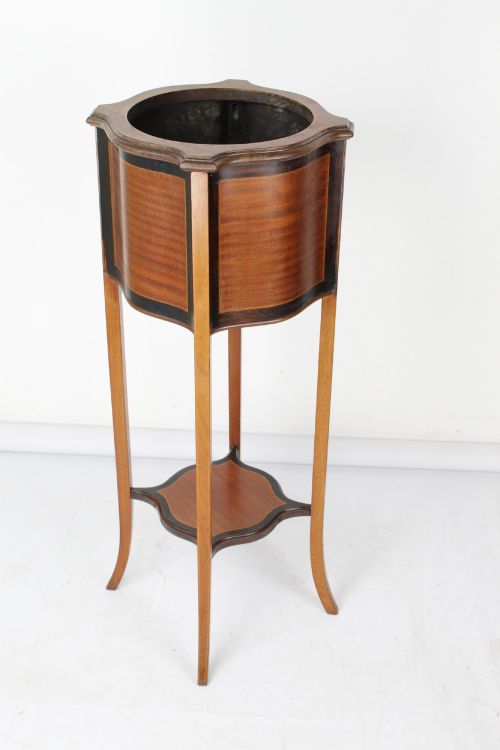
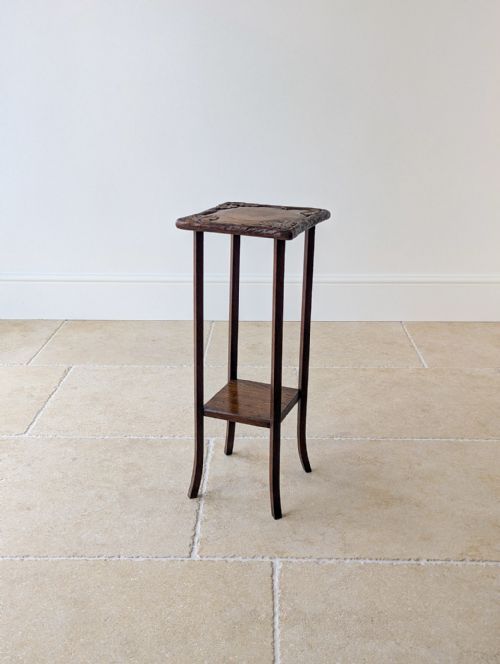
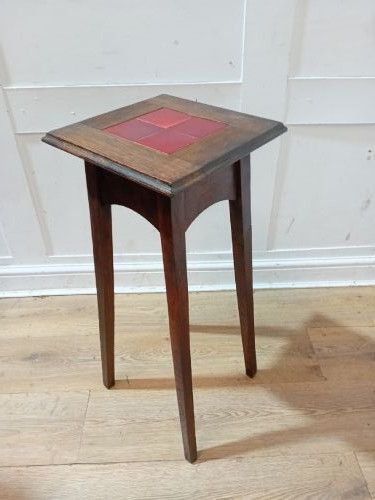
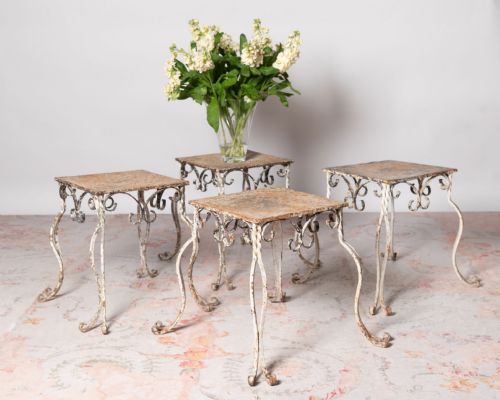
A vintage flower stand brings greenery to eye level through dedicated plant stands, jardinieres, and pedestals dating from the Victorian and Edwardian eras up to the early twentieth century. Buyers encounter sturdy cast iron scrollwork frames, oak Arts and Crafts tiers, and imported hardwood or marble-topped tables designed specifically to display potted plants.
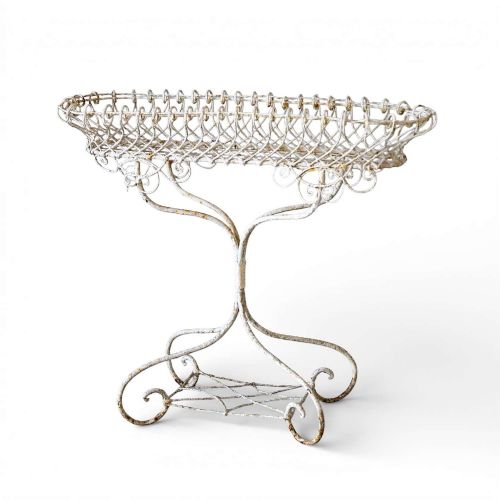
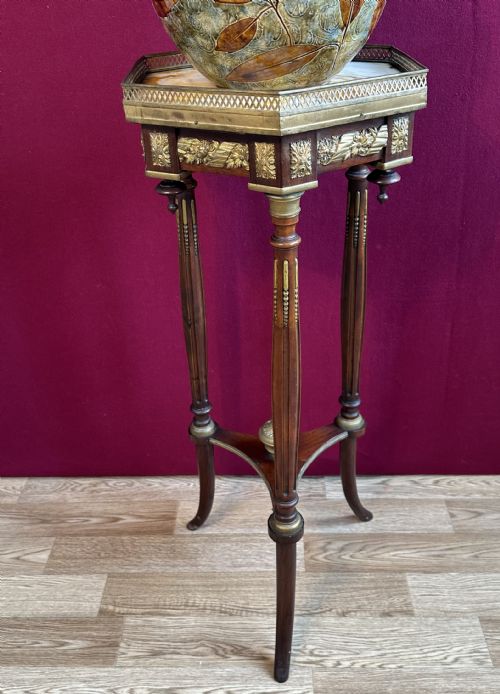
The selections span English workshops, French country terraces, and Chinese export studios, capturing practical interior horticulture from the nineteenth and twentieth centuries. Forms range from simple three-tier iron corner stands and barley-twist mahogany torchere columns to ornate brass jardiniere holders resting on original metal frames.
How they were made
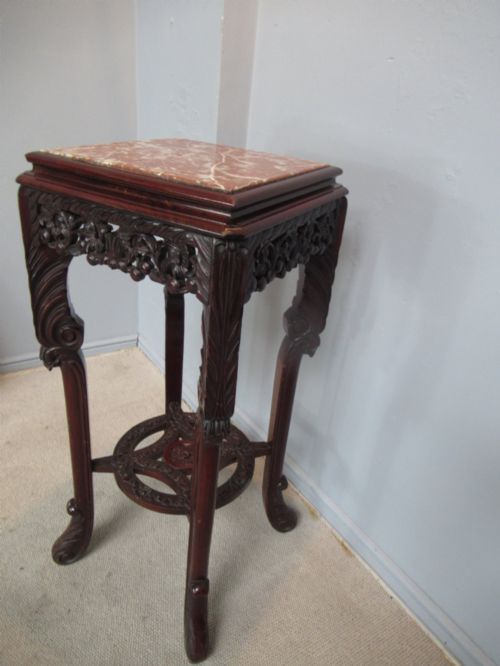
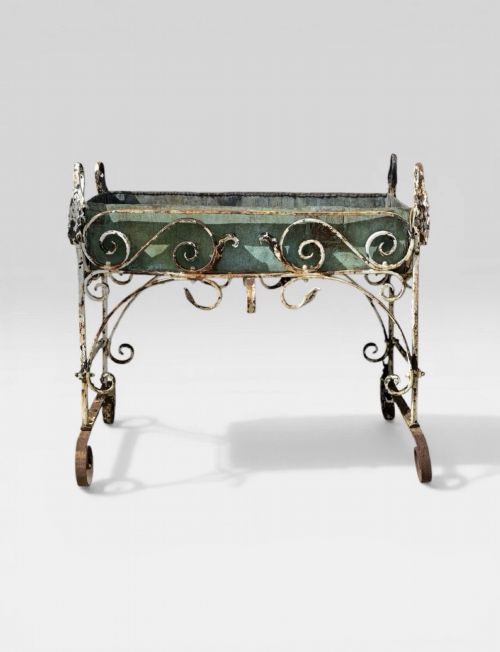
Maker workshops utilised durable metals like wrought iron, cast iron, and brass alongside solid timbers such as mahogany, oak, and walnut. Iron pieces utilise riveting, scrollwork, and lattice baskets, while wooden examples feature carved details, turned legs, and occasional mother-of-pearl inlay.
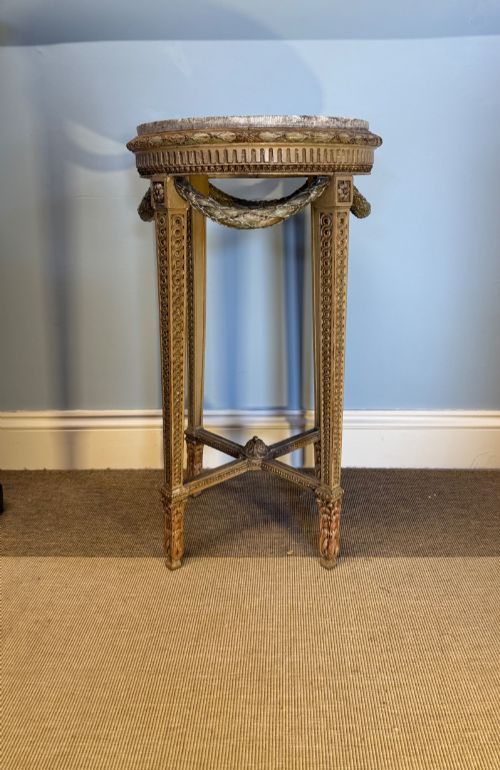
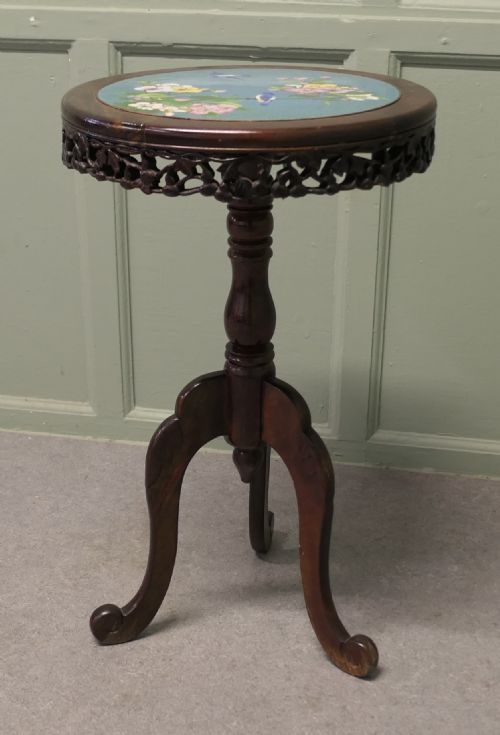
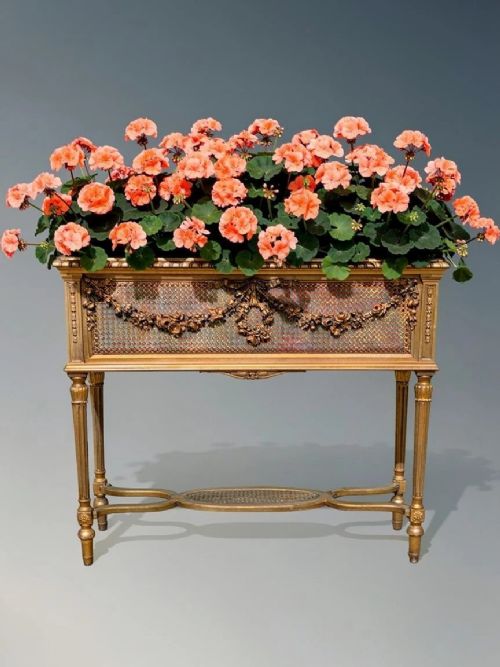
Many structural surfaces combine contrasting materials, pairing inset marble slabs or onyx tops with wooden or giltwood frames. Painted finishes, original patinas, and applied ormolu or cloisonné decorations complete the construction of these stands and planters.
What varies in quality
Quality rests in the integrity of the materials and the crispness of the hand-carved or cast details. Superior examples retain original painted surfaces, intact marble or onyx inserts, and solid joinery without replacement elements.
Design ambition separates basic utility pieces from refined examples, visible in balanced proportions, intricate scrollwork, and matching paired elements like jardinieres and stands intended for formal interior display.
Enoch Wood And Sons·Schierholz Plaue
The Vintage Flower Stand Glossary
- Jardiniere
- An ornamental pot or stand for holding plants or flowers. These vessels often sit within dedicated metal or wooden frames.
- Torchere
- A tall stand designed to support a lamp or decorative plant. These slender columns elevate displays significantly above standard table height.
- Ormolu
- Gilded bronze or brass applied as decorative mounts on furniture and stands. This French technique adds metallic highlights to wood and marble surfaces.
- Cloisonne
- Enamelling work where thin metal wires form compartments holding coloured paste. This decorative technique appears on imported or Chinoiserie accent pieces.
- Barley-twist
- A type of turned wooden leg resembling a twisted rope. This woodworking style is common on Edwardian oak stands.
Vintage Flower Stand: Frequently Asked Questions
What is a flower stand used for?
These pieces elevate potted plants, ferns, and floral arrangements to improve interior lighting and protect flooring from moisture.
They function across hallways, conservatories, and parlours to create distinct focal points using vertical space.
Can these stands stay outdoors?
Wrought iron and cast iron variations withstand garden environments, particularly when protected with weatherproof painted finishes.
Wooden and marble-topped pieces suit indoor conservatory or protected patio placement to prevent material degradation.
How do I identify the period?
Victorian and Edwardian examples rely on specific material choices, such as heavy cast iron scrollwork or solid Arts and Crafts oak.
Construction methods, including hand-riveted iron and traditional wood joinery, help distinguish nineteenth-century production.
What is the difference between a jardiniere and a plant stand?
A jardiniere typically refers to the pot or basin itself, sometimes sold with an integrated or matching support stand.
Plant stands and pedestals provide the elevated surface or column without necessarily including an enclosing ceramic or metal vessel.