

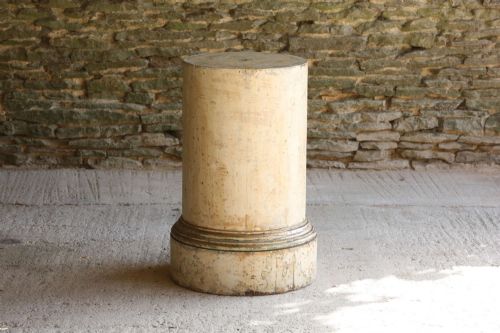

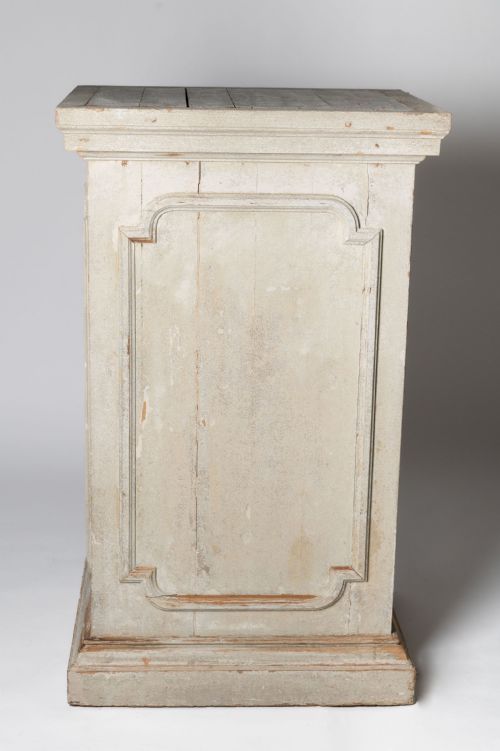
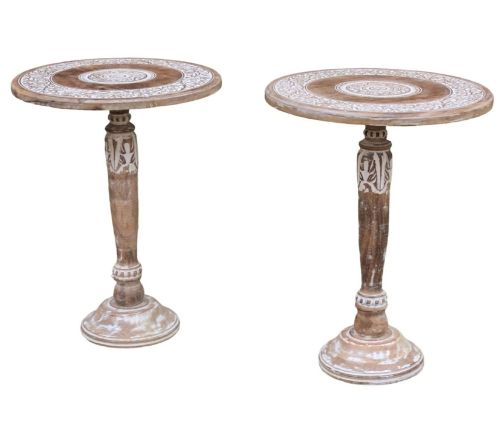
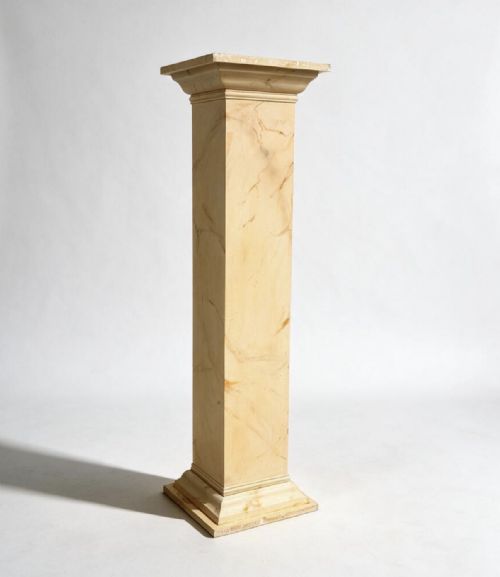
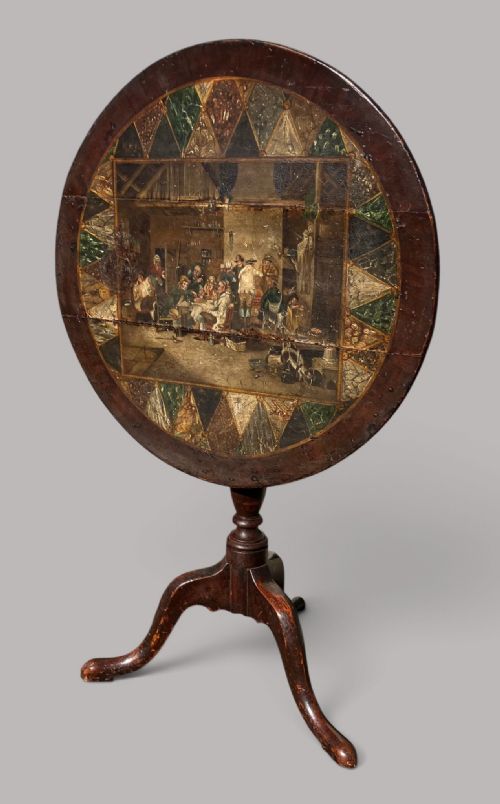
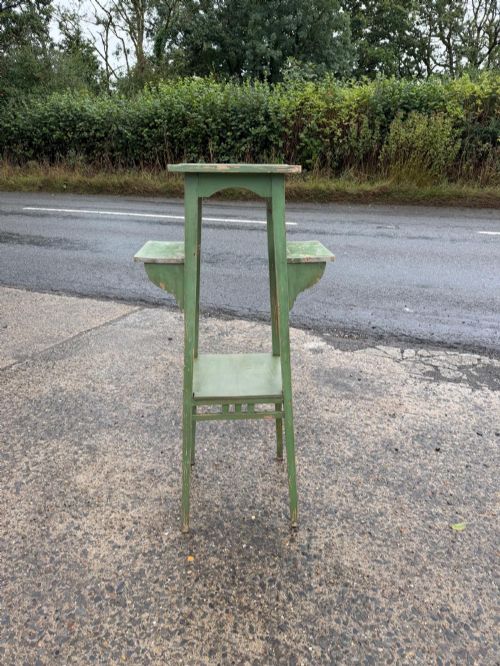
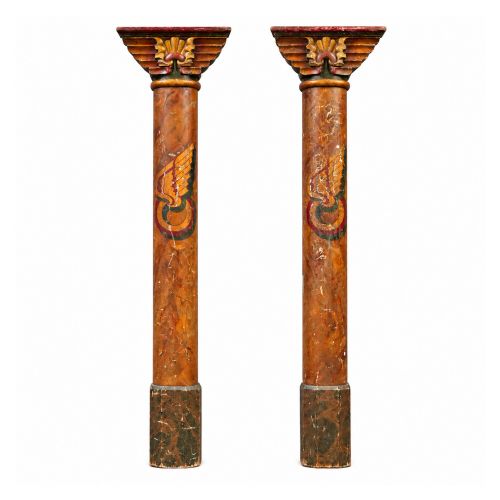
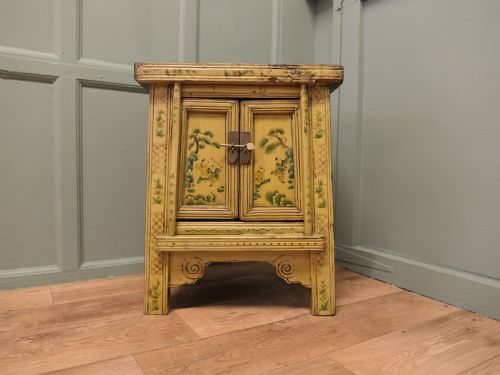
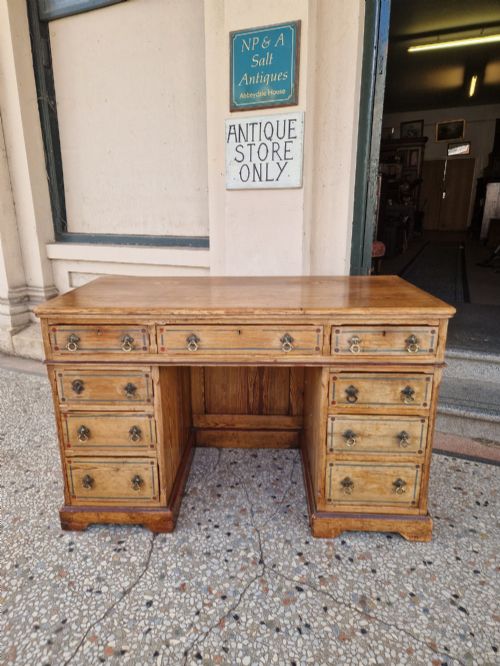
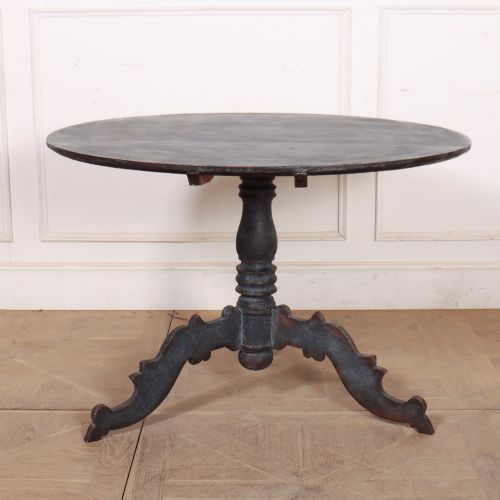
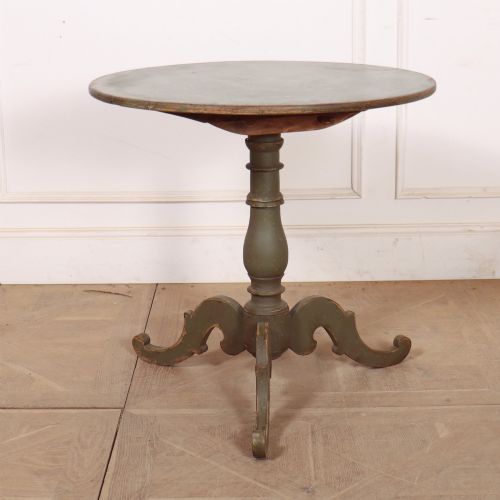
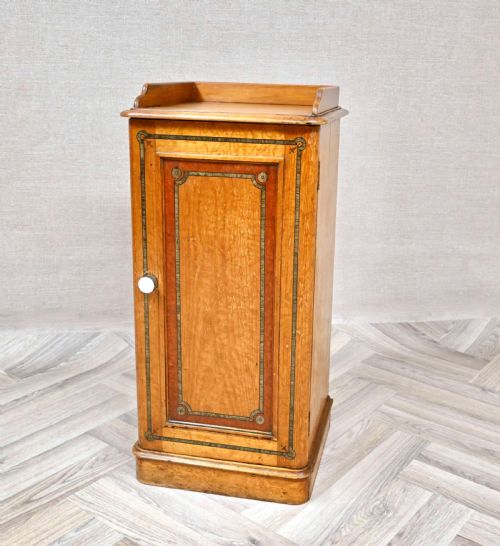
Painted Wooden Pedestal
A painted wooden pedestal brings architectural height and surface interest to a room, drawing the eye upward with colour and form.
Painted Wooden Pedestal
A painted wooden pedestal functions primarily as a display support for sculptures, plants or decorative objects within a room. When searching this phrase, a buyer encounters a diverse mix of architectural columns, torchères and plant stands originating from the eighteenth century onwards.
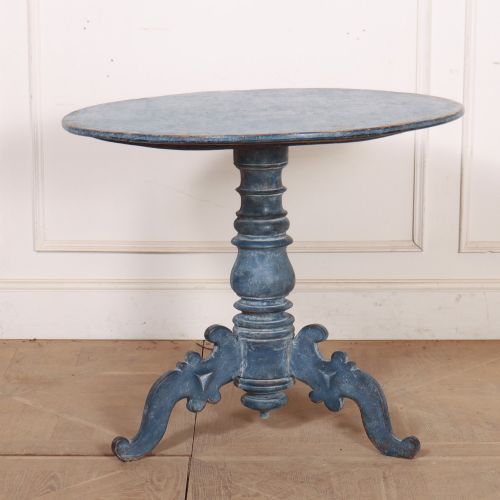
The nineteenth century yields a large proportion of these supports, frequently rendered in pine, sycamore or carved wood with historic paint finishes. French, Swedish and English regional examples dominate the selection, showing styles from Regency and Victorian to Chinoiserie and Gothic Revival.
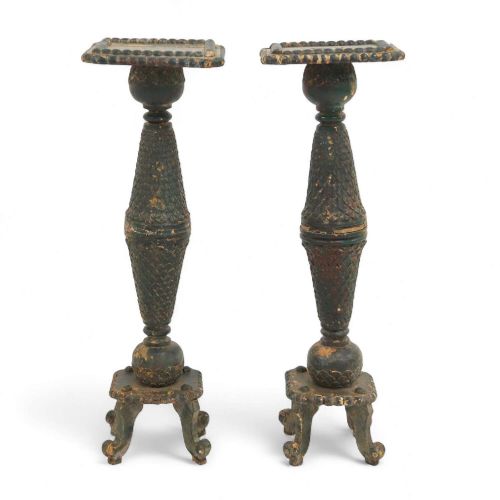
Alongside standard columns, listings include related sculptural forms such as plant stands, torchières and occasional pedestals adapted for interior display. Original surface decoration remains a primary characteristic, spanning plain pigment, polychrome schemes and parcel gilt accents.
How they were made
Makers constructed these supports primarily from solid timbers including pine, oak, sycamore and mahogany, often shaping the shafts on a lathe or carving them by hand. Structural joinery relies on traditional pegged or glued joints designed to bear vertical weight without warping.
Surfaces received preparatory layers of gesso or sizing before the application of oil paint, water paint or lacquer. Many examples incorporate decorative techniques such as parcel gilt detailing, faux marble finishes or hand-painted Chinoiserie motifs applied over the base coat.
Painted Wooden Pedestal Retail Price Guide 2026
Typical asking prices for painted wooden pedestal among the pieces listed under this phrase on Sellingantiques today, from the lower quarter to the upper quarter. They describe what is for sale here now, not the wider market.
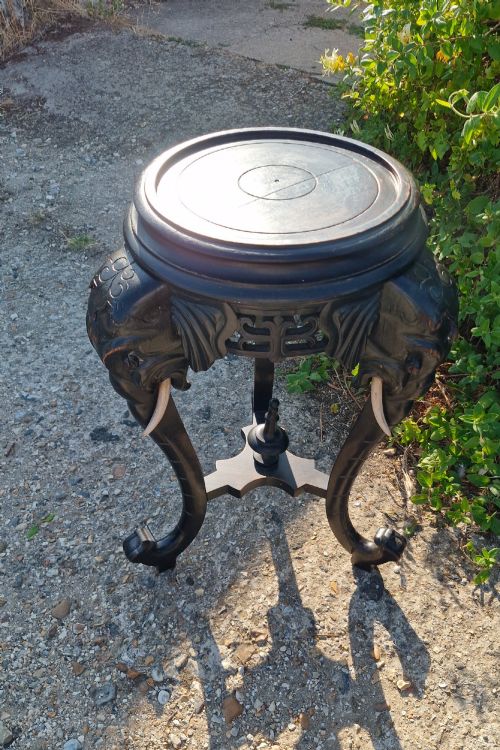
Several columns double as silent companions for carved wooden elephants and painted saints.
What varies in quality
Quality rests significantly upon the integrity of the original paint surface and the depth of the underlying wood carving. Pieces retaining their untouched historic pigment without extensive modern overpainting command greater interest from collectors.
Proportion and structural balance dictate the visual success of a column or pedestal, separating robust architectural elements from simpler utility stands. Finer examples display crisp hand-carving to capitals and bases, whereas standard pieces rely on simpler turned woodwork.
The Painted Wooden Pedestal Glossary
- Torchère
- A tall ornamental stand designed to support a lamp, candle or decorative sculpture. These pieces often feature slender turned columns and raised bases.
- Gesso
- A plaster mixture applied to wood surfaces as a smooth base for paint or gold leaf application. It provides a crisp ground for delicate surface carving.
- Parcel Gilt
- A decorative technique where specific carved details or mouldings are highlighted with gold leaf over a painted ground. This creates a contrasting two-tone effect.
- Chinoiserie
- A European artistic style reflecting Chinese aesthetic influences, characteristically featuring painted motifs of figures, landscapes or flora. It appears frequently on lacquer and painted furniture from the eighteenth and nineteenth centuries.
Painted Wooden Pedestal: Frequently Asked Questions
What were painted wooden pedestals originally used for?
These supports served to elevate lighting devices, sculptural busts or decorative urns to eye level within period reception rooms.
Their substantial height allowed homeowners to display prized ornaments effectively without cluttering primary table surfaces.
How do I care for original painted surfaces?
Maintenance requires gentle dusting with a dry, soft cloth while avoiding harsh modern cleaning chemicals and excessive moisture.
Keeping the piece away from direct sunlight and sudden radiator heat protects the underlying wood and historic paint from cracking.
Can these pedestals support heavy stone sculptures?
Most solid timber columns possess high load-bearing capacity due to their dense internal pine or hardwood construction.
However, verifying the stability of the base and the flatness of the top surface remains essential before placing weighty objects atop them.
How do I distinguish nineteenth-century pieces from later reproductions?
Authentic nineteenth-century examples display natural timber shrinkage, hand-cut joinery elements and genuine age-related wear within the paint layers.
Examining the underside and interior surfaces often reveals tool marks and patination consistent with historic hand-tool usage.