
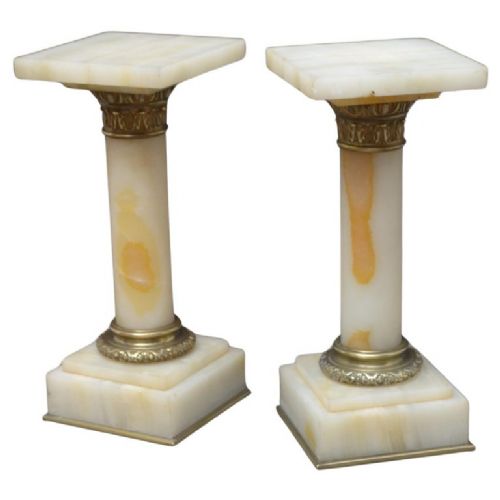


Classical Display Column
A classical display column elevates sculpture, porcelain and plants, bringing architectural dignity and height to interior spaces.
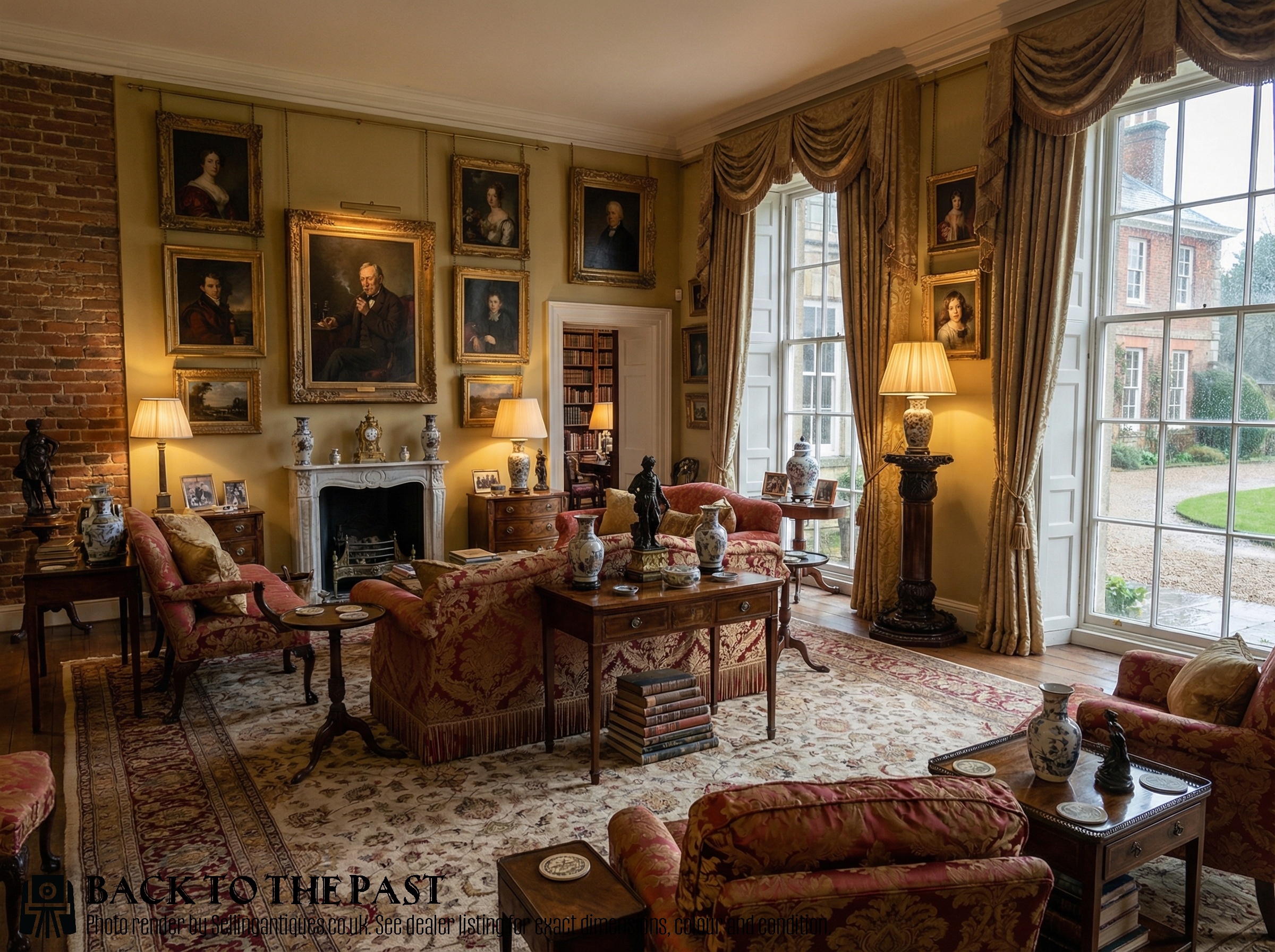
Classical Display Column
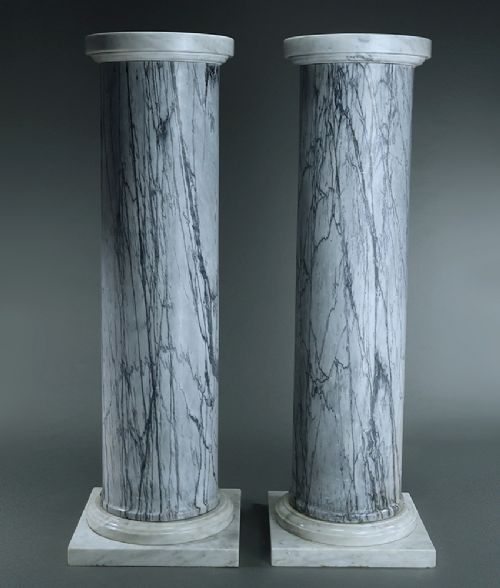
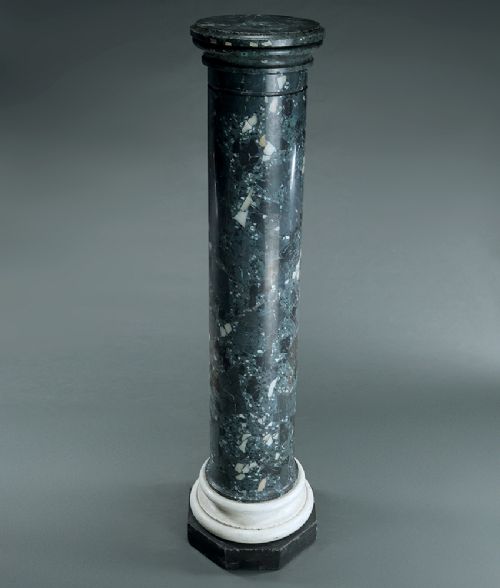
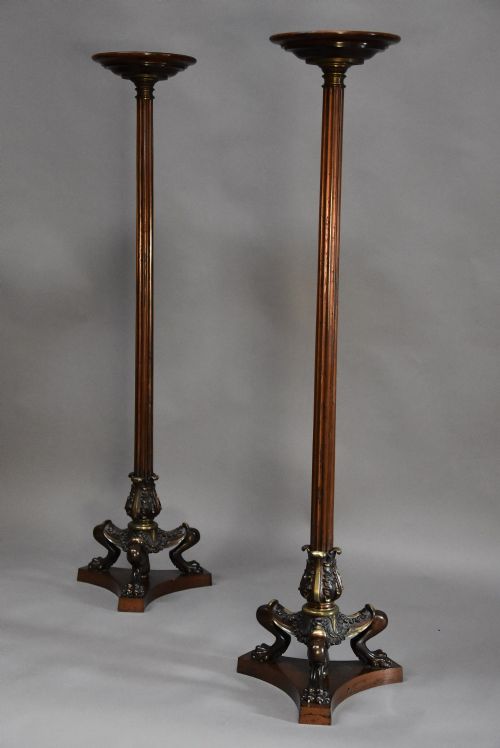
A classical display column serves to elevate decorative objects, sculptures and plants within an interior scheme. The selection encompasses pedestals, torcheres, plinths and architectural salvage dating from the nineteenth and early twentieth centuries.
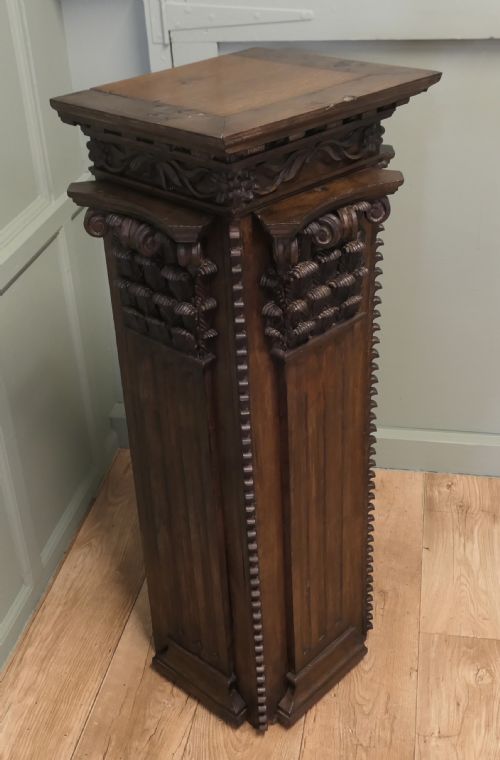
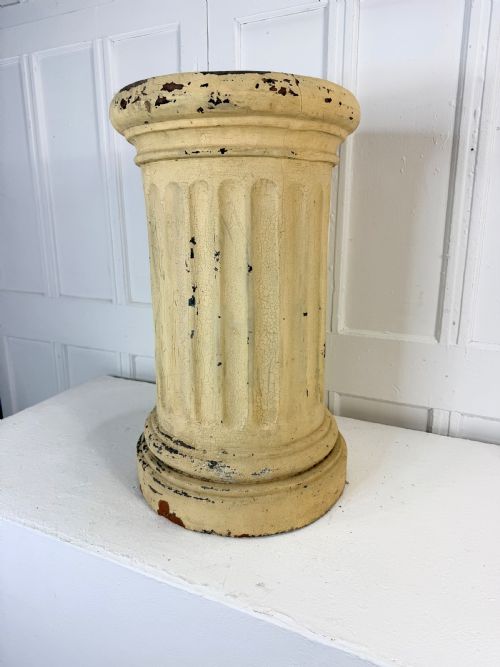
Makers shaped these supports in various styles including Neoclassical, Victorian, Regency and Classical Revival. Buyers frequently encounter marble columns, carved wooden pedestals and painted plaster standards designed to anchor room corners or display focal pieces.
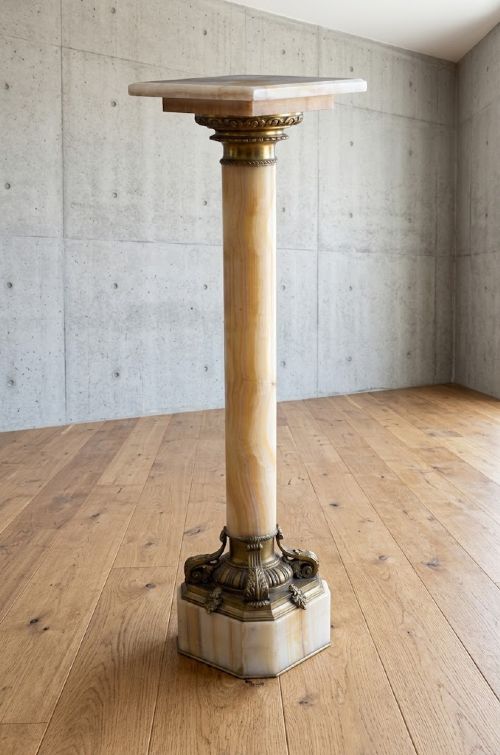
The objects take the form of tall cylindrical shafts, fluted wooden pillars and square scagliola plinths. Originating across Britain, France and Italy, these pieces reflect domestic display tastes from the Victorian era through the interwar years.
Materials and construction
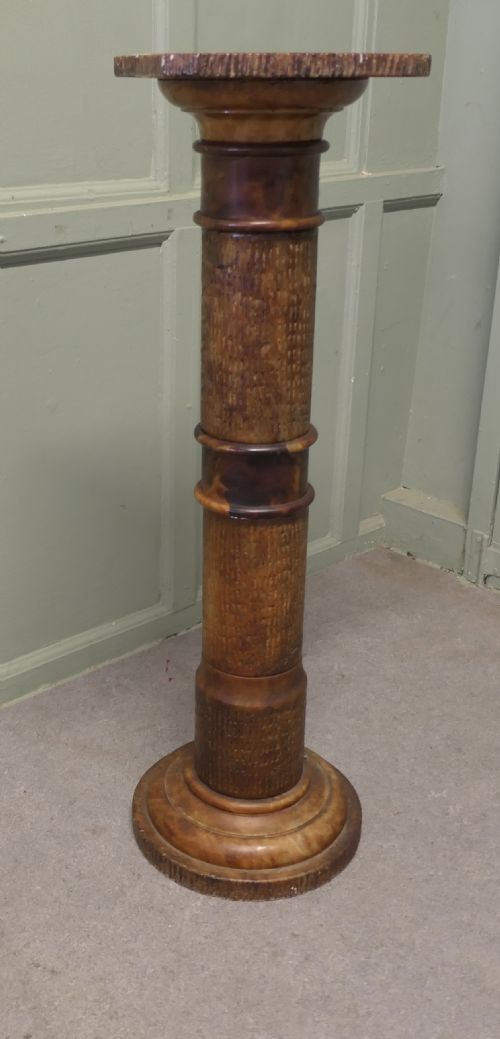
Craftsmen built these columns using solid hardwoods such as mahogany, oak, birch and satinwood, frequently employing the lathe for turned wooden pillars. Other examples utilise softwoods finished with grain painting or faux marble effects to mimic costlier stones.
Stone columns rely on natural materials including Carrara, Bardiglio, Verde Antico, onyx and rouge marble, alongside scagliola for composite decorative surfaces. Workshops incorporated cast bronze, ormolu collars, brass mounts and painted plaster to enrich the structural designs.
Classical Display Column Retail Price Guide 2026
Typical asking prices for classical display column among the pieces listed under this phrase on Sellingantiques today, from the lower quarter to the upper quarter. They describe what is for sale here now, not the wider market.
Materials recorded across the inventory include mahogany, marble, onyx, brass, gilt bronze, terracotta, scagliola and painted plaster.
Assessing the execution
Quality rests upon the choice of material and the precision of the carving, from finely detailed acanthus capitals to smooth, unblemished marble shafts. Heavy stones and dense hardwoods indicate a sturdiness necessary for supporting weighty sculptures.
The sophistication of surface finishing distinguishes ordinary utility stands from exceptional salon pieces. Artisans who executed convincing faux marble paintwork, precise gilt bronze mounts and balanced proportions produced columns of enduring visual presence.
George Smith·Thomas Hope
The Classical Display Column Glossary
- Scagliola
- A composite material made from selenite, glue and pigments, mixed to imitate marbles and other fine stones. Craftsmen trowelled this mixture onto a core before polishing it to a high sheen.
- Torchere
- A tall stand designed specifically to hold a light source, candle or lamp. In later usage, the term describes slender display columns for small sculptures or plants.
- Ormolu
- Gilt bronze ornamentation applied to furniture and decorative objects. This technique involves coating cast bronze with a finely ground mercury and gold amalgam.
- Plinth
- The base block upon which a column or statue stands. It provides structural stability and a finished visual boundary at floor level.
- Grand Tour
- A traditional trip through Europe undertaken by upper-class young men to absorb classical culture. Pieces associated with this phenomenon often include miniature or full-scale Italian architectural marbles.
Classical Display Column: Frequently Asked Questions
What were classical display columns used for?
These columns functioned primarily as interior furnishings to elevate sculptures, ornamental vases, clocks and potted plants above floor level. Placing objects upon a pedestal drew the eye and protected delicate pieces from domestic traffic.
In grand nineteenth-century reception rooms, matched pairs of torcheres or columns framed doorways, mantelpieces or window bays. They acted as architectural punctuation marks within domestic interior design schemes.
How do I style a column at home?
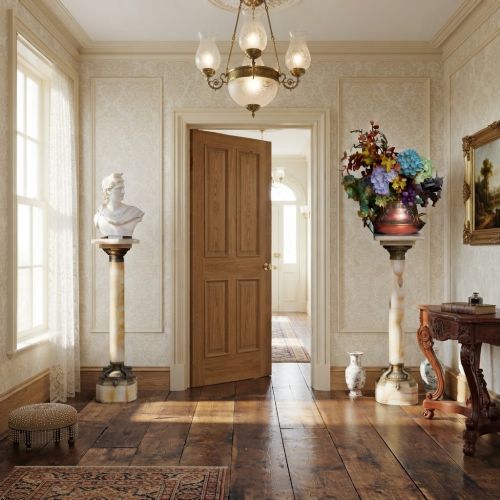
Position a single column in an empty corner, beside a fireplace or at the end of a hallway to introduce verticality to a room. Top the surface with a heavy bronze, a ceramic urn or a trailing houseplant.
Paired columns work effectively when flanking a pair of doors or supporting symmetrical statement sculptures. Ensure the weight of the displayed object aligns with the structural capacity of the pedestal top.
How can I tell the difference between periods?
Nineteenth-century examples often lean towards heavy Neoclassical or Victorian proportions, utilising rich mahogany, solid marbles and cast bronze mounts. Pieces from the Edwardian era and the 1920s frequently exhibit lighter birch, painted plaster or simpler geometric scagliola forms.
Examine the turning marks on wooden shafts and the tooling on stone surfaces for clues regarding workshop methods. Historical wear patterns and patination on the base and top also indicate the true age of the piece.
Are painted columns original or later additions?
Many nineteenth-century pieces feature faux marble or grain-painted finishes applied deliberately by workshops to simulate expensive exotic stones. Artisans used these techniques on pine and other softwoods to achieve a grand aesthetic at a reduced cost.
Distinguishing original decorative paint from later overpainting requires inspecting the craquelure, underlying timber shrinkage and wear consistent with age. Subtle variations in tone across the surface generally confirm period execution.