


Georgian Style Pedestal
A georgian style pedestal brings classical proportion to a room, uniting the architectural strength of a central pillar with the practical grace of timber work.
Georgian Style Pedestal
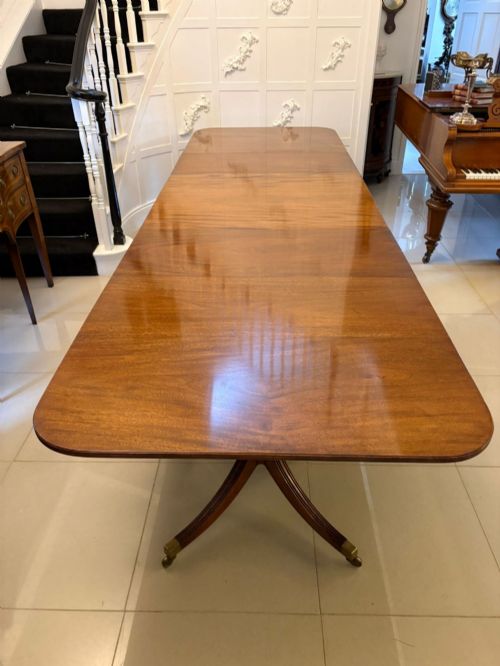
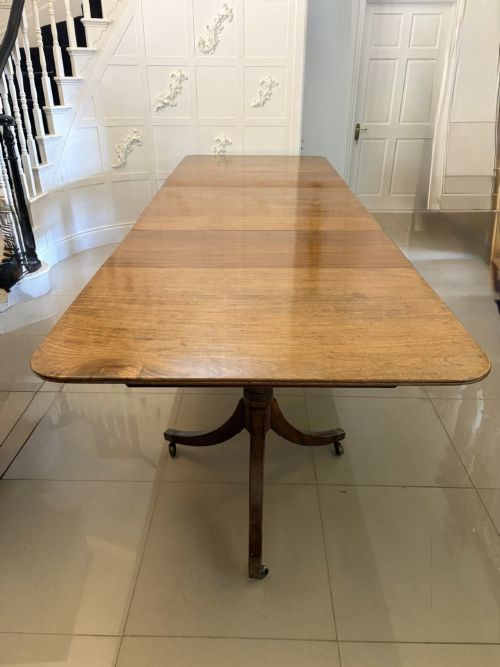
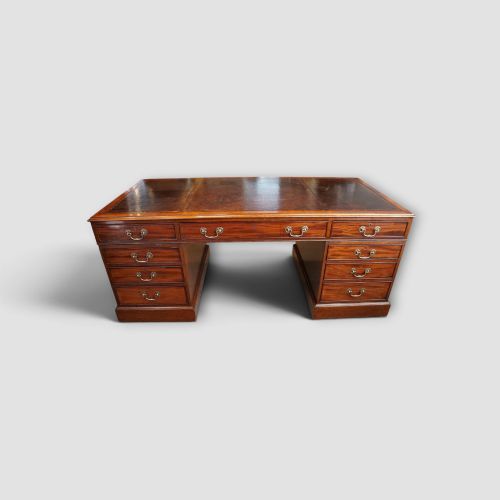
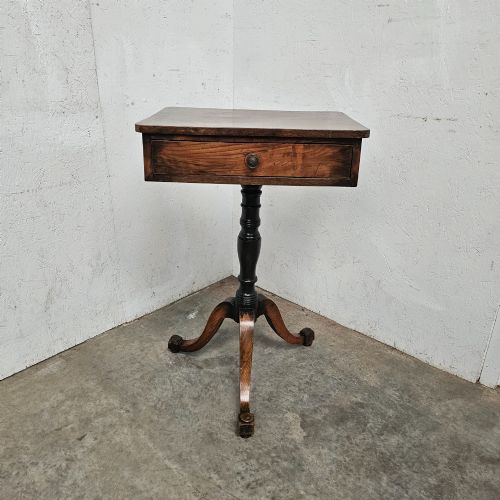
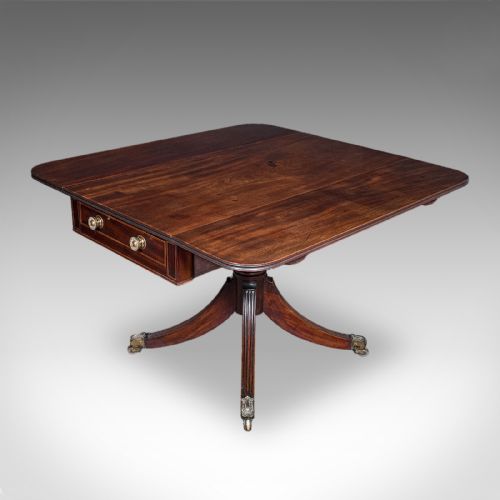
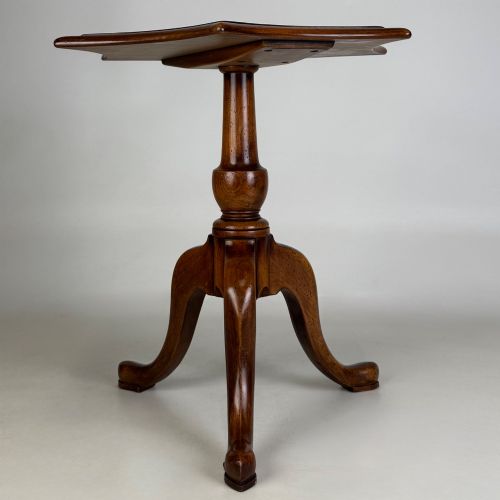
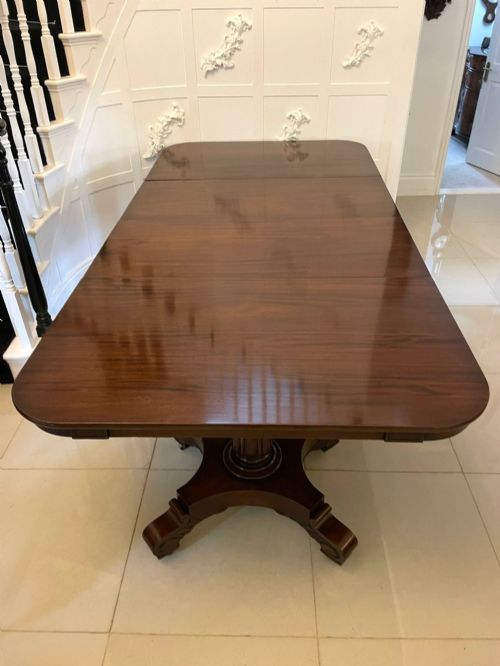
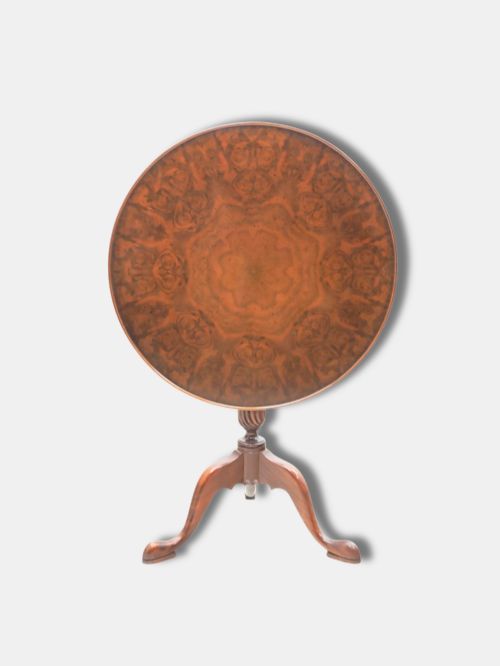
A georgian style pedestal encompasses sturdy writing desks, extending dining tables supported by multiple pillars, and smaller occasional tripod or wine tables. These pieces draw upon the balanced proportions and classical ornamentation characteristic of eighteenth-century design, whether constructed in the period itself or during later revivals.
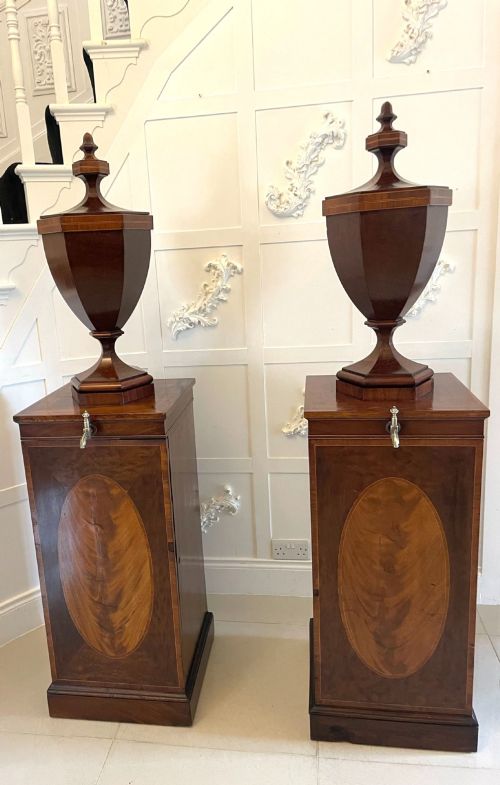
On this page, buyers frequently encounter large multi-pillar dining tables and partner desks alongside compact wine tables and bedside cabinets. The selection spans genuine Georgian origins through to Edwardian and early twentieth-century interpretations.
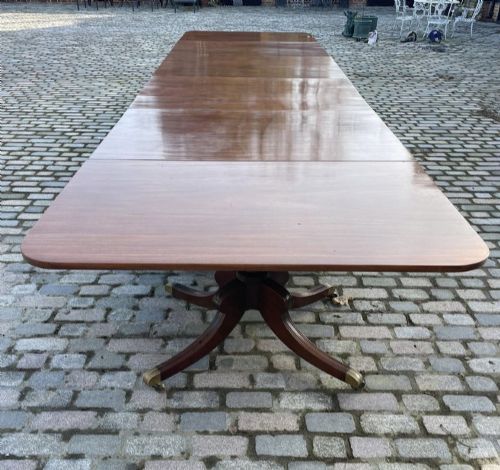
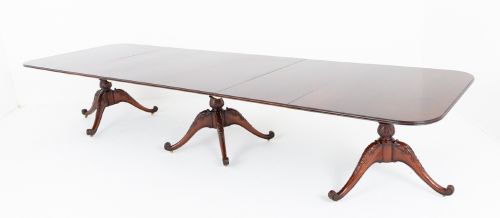
The architectural support structure remains the defining element across these forms, taking the form of a single central column with spreading feet, twin pedestals flanking a kneehole, or triple pillars beneath long dining surfaces.
Materials and construction methods
Mahogany dominates the evidence, frequently selected for its stability and deep grain, whilst walnut, burr walnut, satinwood, and oak offer lighter figures or contrasting tones. Craftsmen utilised solid timbers alongside finely figured veneers applied to secondary woods for large surfaces like desk tops and table leaves.
Support columns often terminate in tripod legs, brass claw feet, or substantial plinths, distributing the weight of heavy timber tops evenly across the floor. Inlays of boxwood or contrasting brass hardware add decorative definition to drawer fronts and table edges.
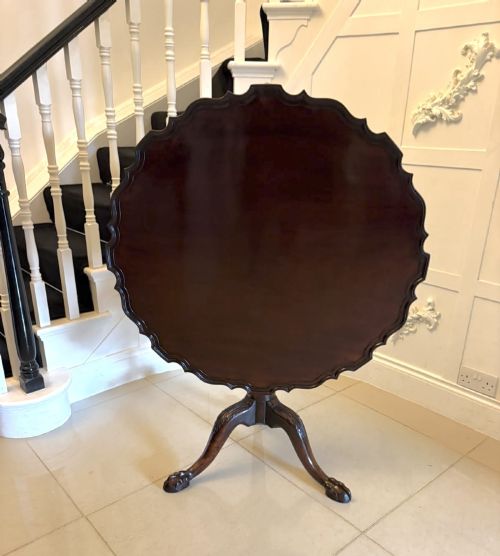
Some wine tables feature tilting mechanisms designed to tip the top flat against the wall when not holding evening cups.
Distinctions in construction and finish
The superiority of a piece rests upon the selection of timber figure, where richly grained mahogany or figured burr walnut elevate the visual impact of a desk or table top. Fine matching of veneers across expansive surfaces demonstrates careful workshop planning.
Structural integrity reveals itself in the seamless operation of extending dining table mechanisms and the precise joining of pedestal columns to their supportive feet. Subtle details such as crisp boxwood stringing and original brass mounts separate standard utilitarian production from workshop pieces intended for formal interiors.
The Georgian Style Pedestal Glossary
- Pedestal
- A structural support column beneath a desk, table or urn, often standing on branching feet.
- Tripod table
- A small freestanding table supported by a central pillar resting on three spreading legs.
- Partners desk
- A large double-sided writing table designed with drawers and cupboards accessible from both front and back.
- Pie crust edge
- A raised, carved decorative moulding around the perimeter of a circular table top, resembling pastry work.
- Wine table
- A compact occasional table originally designed to hold glasses or bottles beside seating.
Georgian Style Pedestal: Frequently Asked Questions
How do I care for leather desk tops?
Leather surfaces on pedestal desks benefit from occasional cleaning with a slightly damp cloth followed by a neutral wax polish to maintain suppleness.
Avoid placing hot cups or direct sunlight onto the hide to prevent cracking and fading over time.
Are multi-pillar tables easy to extend?
Extending tables utilise removable leaves supported by the central pillars and internal runners, allowing the length to adjust according to seating needs.
Careful alignment of the sections ensures the top remains stable across the entire expanse.
What is the difference between twin and triple pedestals?
Twin pedestal formats feature two separate column supports beneath a desk or moderate dining table, leaving a clear kneehole or central span.
Triple pedestal versions introduce a third central pillar to distribute weight evenly across extended dining surfaces meant for large gatherings.
Where do tripod tables work best?
Compact tripod and wine tables suit placement beside armchairs or in corners where a full-sized surface proves impractical.
Their lightweight central pillars allow them to move easily around a room as needed.