
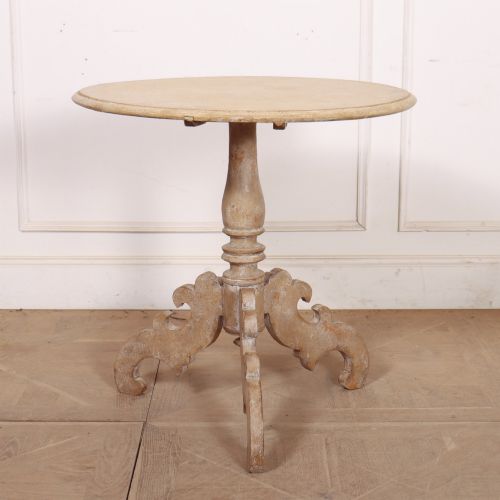
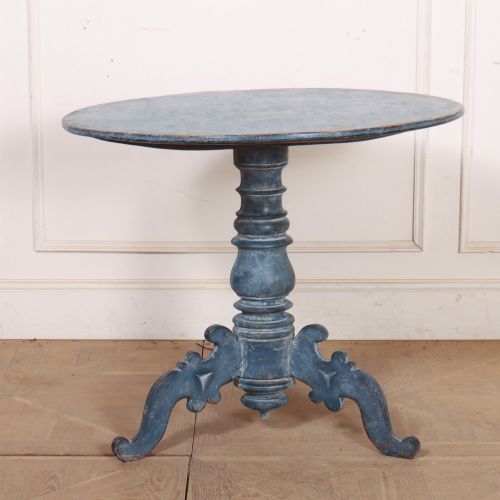
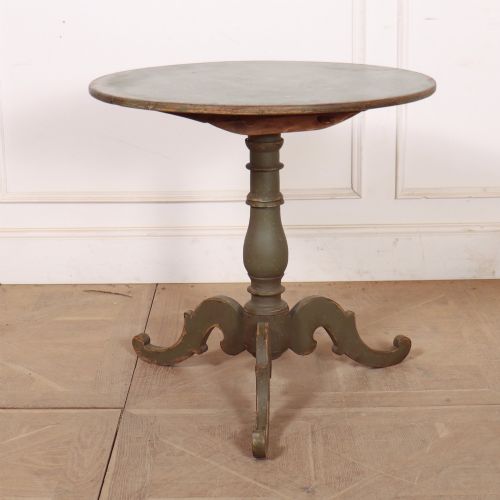
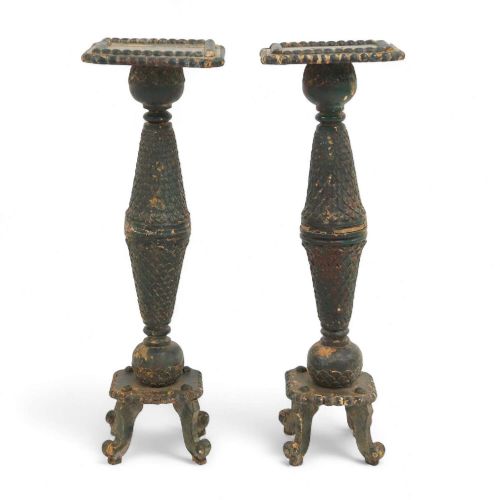


Distressed Painted Pedestal
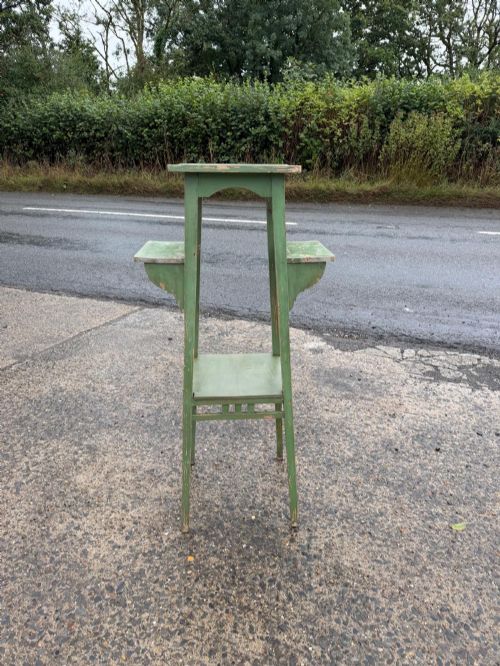
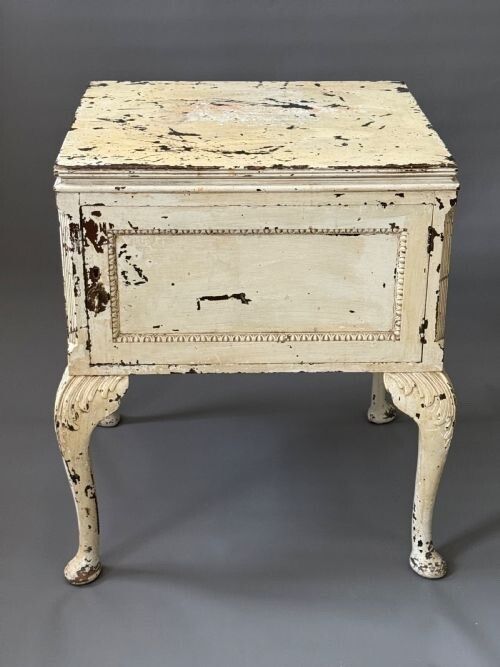
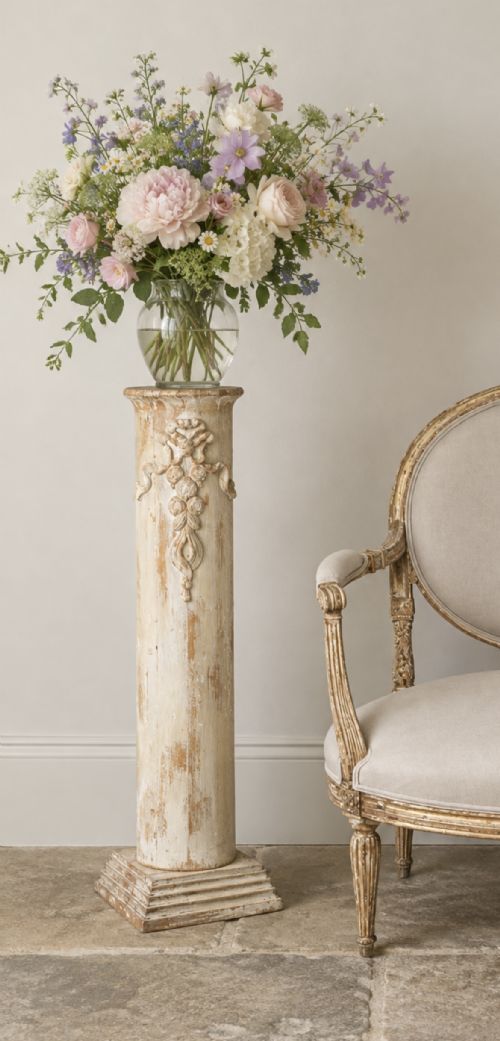
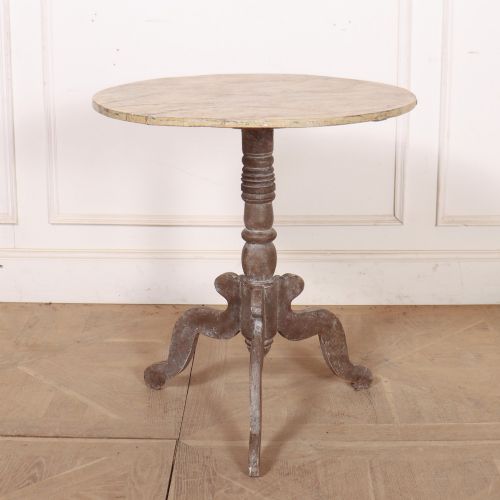
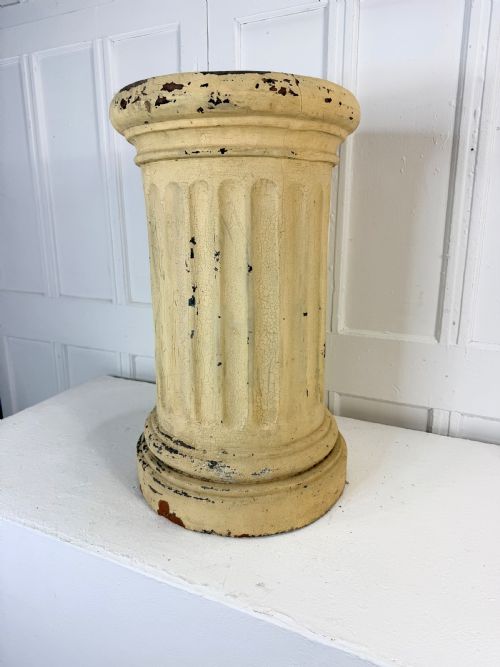
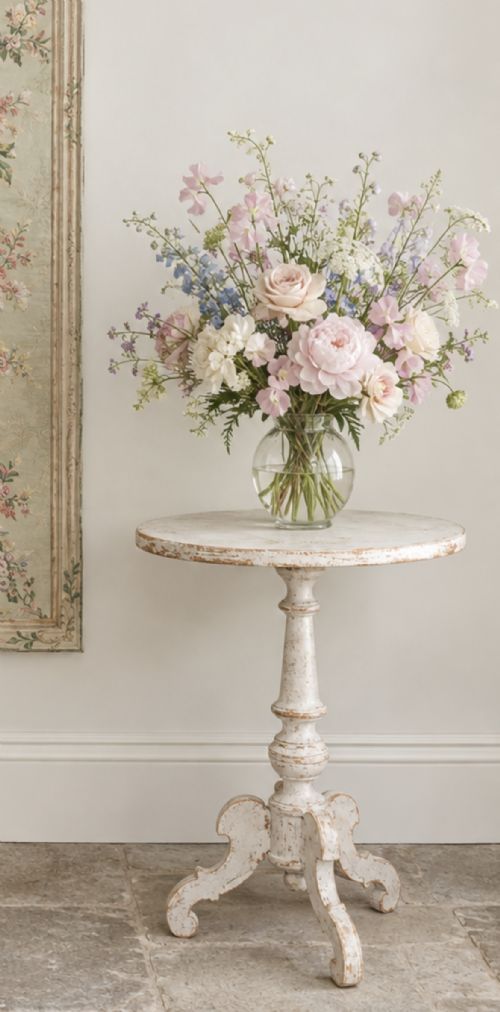
A distressed painted pedestal brings weathered character and height to a room, offering a sturdy surface for sculpture, plants or lamps.
Distressed Painted Pedestal
A distressed painted pedestal provides an elevated display surface with an aged, weathered surface finish.
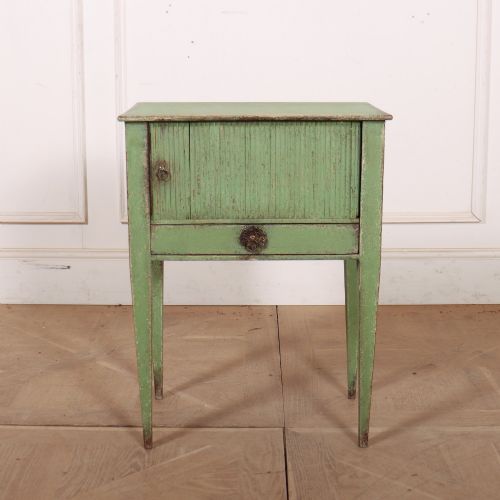
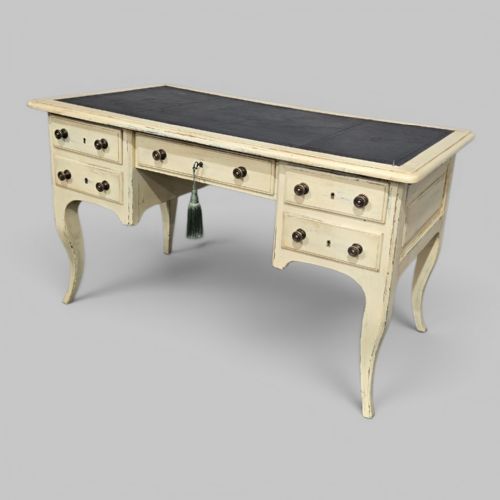
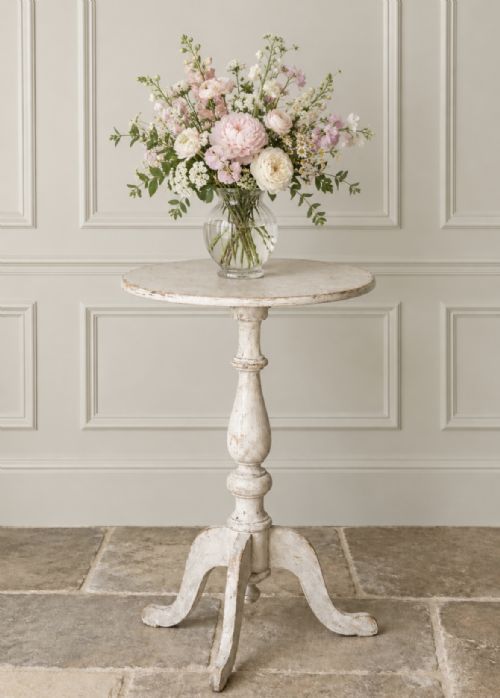
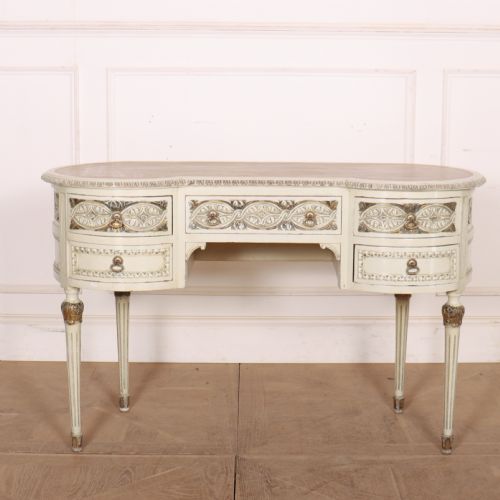
The selection ranges from nineteenth-century Swedish columns and plant stands to French gueridons and occasional tables.
Buyers will frequently encounter nineteenth-century examples and painted wood forms originating from continental Europe and Britain.
Materials and construction
Pieces utilise timber such as pine, softwood, oak and mahogany as the primary structural foundation.
Surfaces receive layers of paint, gesso and sometimes marble tops to create decorative functional objects.
Listings feature items from the eighteenth century to the 1920s, constructed in pine, oak, mahogany and softwood with painted surfaces.
Judging the quality
Quality rests upon the integrity of the original paint surface and the skill of the underlying wood carving.
Proportion and structural stability separate standard utility items from finely balanced architectural columns and torchières.
The Distressed Painted Pedestal Glossary
- Torchiere
- A tall stand or pedestal designed to support a lamp or candle. These pieces often feature carved wood and painted finishes.
- Gueridon
- A small French table, frequently used as a pedestal or lamp table. Examples often incorporate marble tops.
- Gesso
- A plaster-based material applied to wood before painting to create a smooth surface for decoration. It provides a base for fine detail.
- Column
- An architectural support used here as a freestanding display stand. These structural forms elevate plants and sculpture.
Distressed Painted Pedestal: Frequently Asked Questions
How are distressed painted pedestals used?
These pieces serve primarily as elevated stands for lamps, plants, urns and sculptural objects.
Their height draws the eye upward, making them useful for filling empty corners or displaying specific decorative items.
Are these pedestals antique?
The selection includes items spanning from the eighteenth century through to the early twentieth century.
Construction periods cover Georgian and Victorian eras alongside continental European pieces from the 1800s and 1900s.
What materials are used?
Primary construction relies on woods such as pine, softwood, oak and mahogany.
Surfaces are typically finished with paint, gesso or mounted with marble tops.
Where do these pieces originate?
Origins span across Britain, Sweden, France, Germany, Italy, Spain and the Netherlands.
Swedish country and French provincial styles are particularly common among the painted tables and columns.