

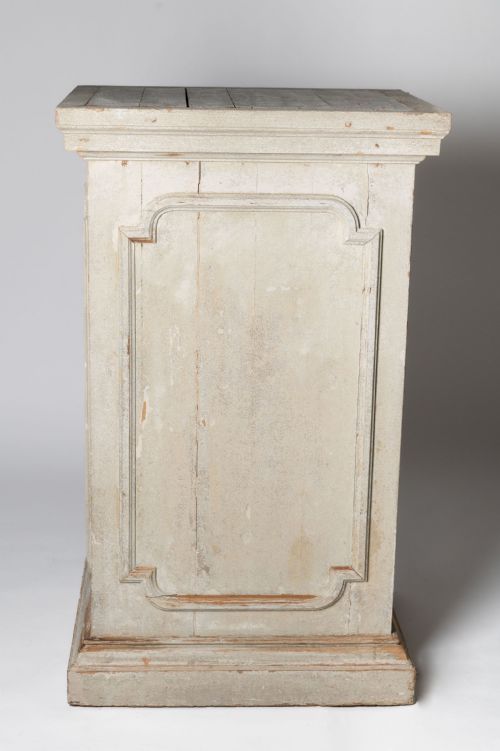
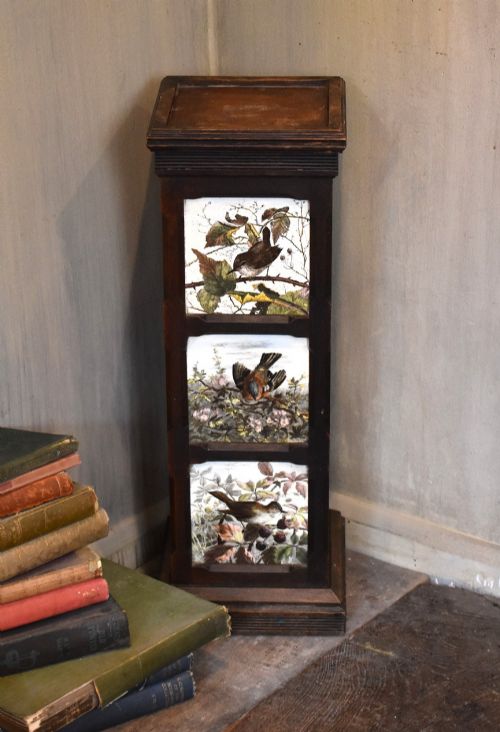


Painted Wood Plinth
These painted wood plinth examples provide a sturdy stage for displaying sculpture and decorative objects.
Painted Wood Plinth
When you search for a painted wood plinth, you are looking at nineteenth century columns, pedestals, and display stands designed to elevate sculpture and ornamental items in a room. These stands take cylindrical and columnar forms, offering a solid architectural presence for interior display.
The pieces listed on this page span the Victorian era, with dates stretching from eighteen fifty through nineteen hundred. You will encounter styles ranging from Aesthetic movement and Neoclassical to Grand Regency, French Chateau, and Baroque Revival.
Origins include English and French workshops, producing everything from simple cylindrical sculpture stands to grand scale parcel gilt columns and tiled pedestals. The primary forms function to support display objects while adding vertical interest to an interior scheme.
How they were made
Constructed primarily from wood, timber, and mahogany, these stands rely on solid timber foundations that are subsequently painted, gessoed, or decorated with gold leaf. Artisans applied specialised paint techniques to simulate luxury materials, creating convincing decorative surfaces.
Makers utilised paint layers to produce faux marble finishes, including simulated verde antico effects on wooden display columns. Parcel gilding was applied to highlight architectural details on columns, while some Victorian examples incorporate ceramic tiles into the body.
Painted Wood Plinth Retail Price Guide 2026
Typical asking prices for painted wood plinth among the pieces listed under this phrase on Sellingantiques today, from the lower quarter to the upper quarter. They describe what is for sale here now, not the wider market.
The inventory records cylindrical sculpture stands, architectural columns, and paired pedestals spanning the Victorian era.
What varies in quality
The fidelity of the decorative finish distinguishes finer examples from simpler utilitarian stands, particularly in how convincingly paint mimics costly stone like faux marble or verde antico. The complexity of the underlying timber work, such as the choice between plain pine and mahogany, also sets pieces apart.
Design ambition creates a clear hierarchy, moving from plain cylindrical sculpture stands to grand scale painted and parcel gilt columns with intricate architectural detailing. The presence of specialised decorative elements, like applied gold leaf or integrated ceramic tiles, elevates a piece within the range.
The Painted Wood Plinth Glossary
- Plinth
- The flat slab or solid block at the base of a column or pedestal. It provides stability and visual grounding for the structure above.
- Faux Marble
- A painted surface finish that imitates the appearance of natural stone. Artisans use coloured paints and glazes on wood to create realistic veining.
- Parcel Gilt
- A decorative technique where specific carved or raised details are partially covered with gold leaf. This method contrasts the bright metallic sections against a painted wood background.
- Verde Antico
- A dark green serpentine marble historically favored in classical architecture. Painted versions recreate this mottled green stone effect on timber columns.
- Torchere
- A tall ornamental stand originally designed to hold a light source or torch. In nineteenth century interiors, these tall slender columns transitioned into display supports for decorative urns.
Painted Wood Plinth: Frequently Asked Questions
What is a painted wood plinth used for?
These pieces serve as elevated display platforms for sculpture, vases, and decorative urns within a room.
By lifting objects off the floor, they draw the eye upward and add architectural structure to interior spaces.
How do I date a painted wood plinth?
Dating relies on examining the underlying construction timber, paint mediums, and stylistic clues from the period.
Nineteenth century pieces often feature specific revival motifs like Neoclassical or Aesthetic movement details alongside hand-mixed paint layers.
Where were these painted columns placed historically?
They stood in entrance halls, drawing rooms, and libraries to showcase prized works of art or antiquities.
Pairs were frequently deployed symmetrically to frame doorways, fireplaces, or important furniture arrangements.
How do I care for a painted wooden display stand?
Maintain the surface by dusting gently with a dry, soft cloth to protect the painted or gilded finish.
Keep the stand away from direct sunlight and extreme humidity fluctuations to preserve the wood and decorative paint layers.