



White Sculpture Pedestal
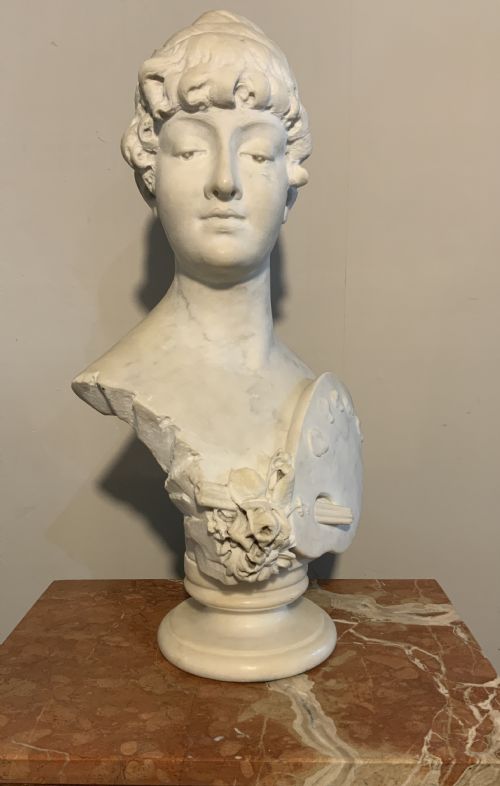
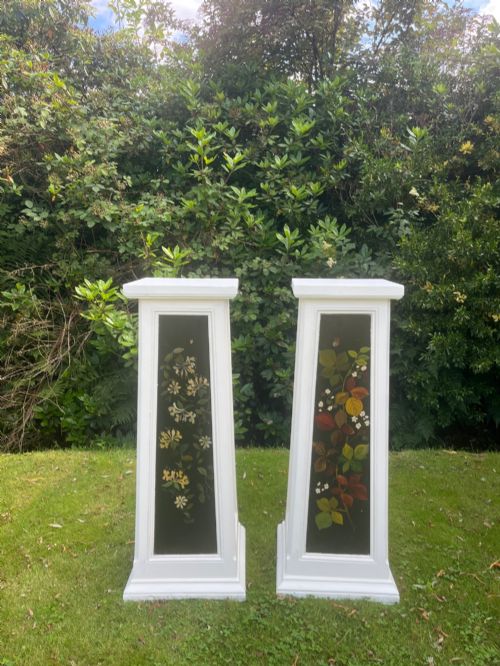
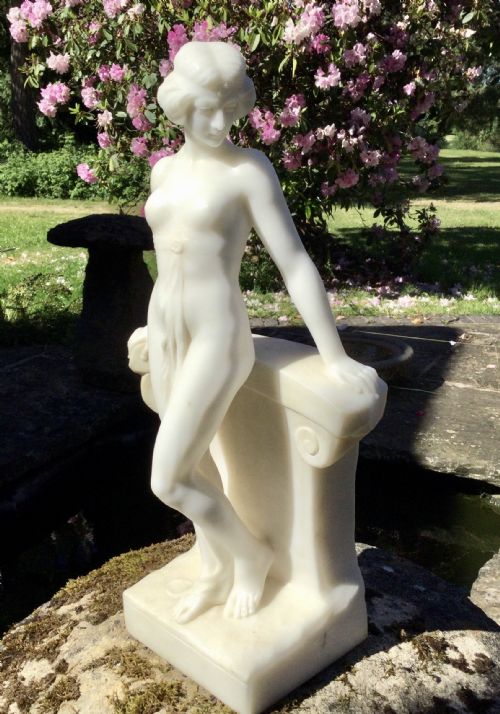
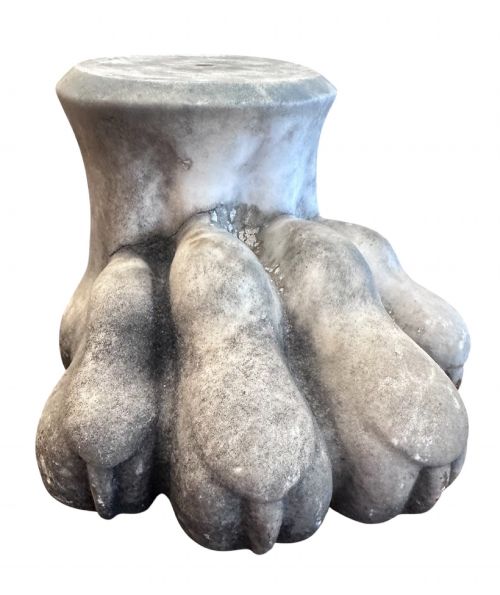
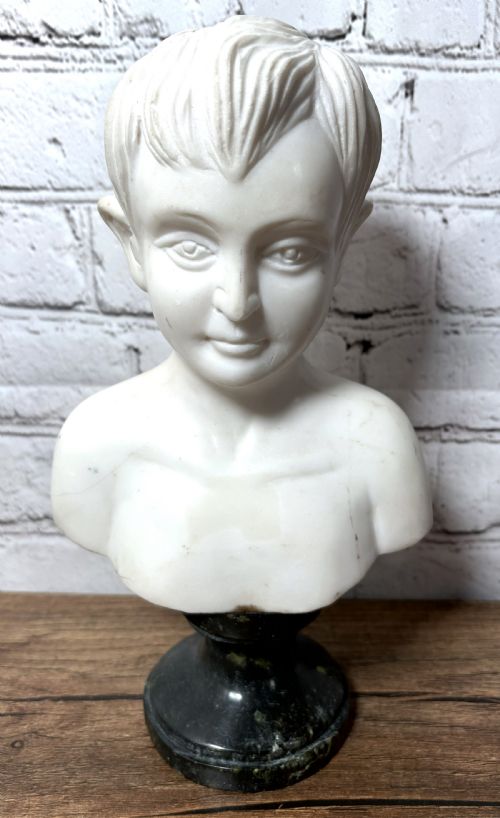
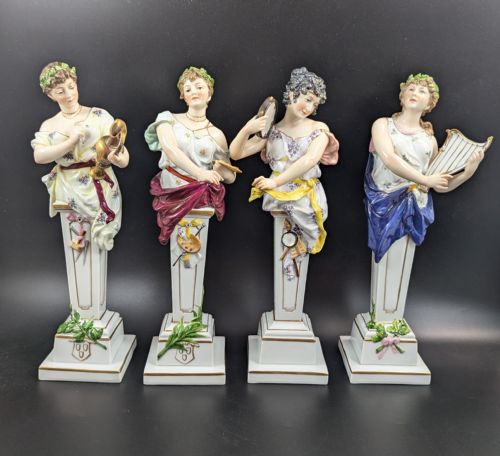
White sculpture pedestal pieces bring classical gravitas to any room, elevating busts and figures with stone columns and marble stands.
White Sculpture Pedestal
A white sculpture pedestal combines structural support with ornamental presence, designed to elevate busts, figures, and vases. These pieces appear most frequently in nineteenth-century interpretations of classical forms.
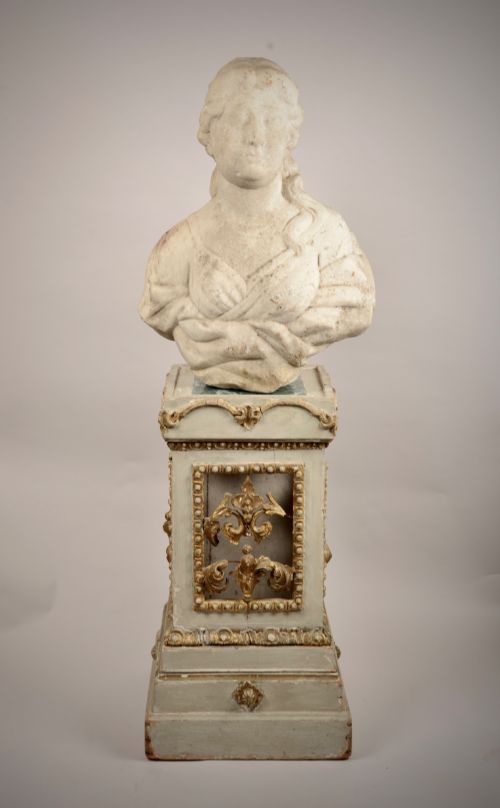
The selection ranges from cylindrical stands and columns to architectural elements and low plinths. Materials encompass marble, stone, and painted wood, often drawing upon neoclassical and baroque design principles.
Originating largely from European traditions, these supports serve both practical display functions and standalone decorative roles. The inventory bridges grand architectural salvage with refined household statuary supports.
Materials and construction
Masonry construction relies heavily on carved marble, alabaster, and stone, utilising the natural veining of the material for visual depth. Scagliola and painted finishes provide alternative surfaces that imitate solid stone.
Woodworking techniques involve turning and carving timber to form cylindrical columns and plant stands, occasionally enhanced with gold leaf accents or paint. Stonework relies on chiselling and polishing to achieve smooth columns and detailed sculptural motifs.
Periods represented span from the seventeenth century through the nineteenth century into the early twentieth century.
Assessing quality
Quality rests upon the crispness of the carving and the uniformity of the stone or marble used. Finer examples display meticulous attention to classical proportions and stable, well-balanced weight distribution.
Surface finish distinguishes superior pieces, whether through the fine polish of Carrara marble or the precise application of paint and gilding on timber bases. Structural integrity in weight-bearing columns remains paramount.
John Wenlock Rollins·Achille Mollica·Eduardo Giolli
The White Sculpture Pedestal Glossary
- Scagliola
- A composite substance made from selenite, glue, and pigments, mimicking marble and other hard stones. Craftsmen apply this technique to create decorative columns and pillars.
- Torchere
- A tall stand or candlestick originally designed to carry a torch. In furniture, it refers to an ornate stand used to support a vase or small sculpture.
- Socle
- A short plinth or pedestal supporting a statue, bust, or column. It provides a stable base and visually grounds the raised object.
- Tazza
- A shallow saucer-like dish on a stem and foot, often carved from marble or stone. These serve as decorative ornaments on pedestals.
White Sculpture Pedestal: Frequently Asked Questions
What holds a heavy marble bust?
Solid stone columns and cylindrical marble stands provide the necessary structural stability for heavy marble sculptures. These supports distribute weight evenly to prevent tipping.
Matching the scale of the base to the weight of the sculpture ensures a secure display.
How do I clean marble?
Dusting with a soft, dry cloth removes everyday particles without scratching the polished surface. Avoid acidic cleaners that etch stone.
For deeper cleaning, use a damp cloth with mild soap followed by immediate drying.
Are these columns suitable outdoors?
Most antique marble and alabaster pieces are intended for interior display and domestic environments. Frost and moisture can damage porous stone over time.
Keeping them inside preserves the carved details and painted finishes.
How are nineteenth-century columns identified?
Nineteenth-century examples often display neoclassical motifs, hand-turned stone, or specific regional characteristics like Italian Carrara marble. Tool marks and material ageing offer further clues.
Comparing proportions to historical architectural styles helps confirm the period.