


Gilt Bronze Mounts
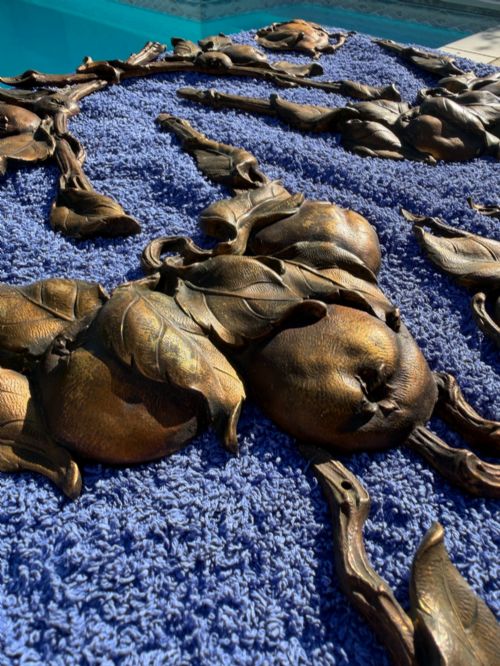
When you search for gilt bronze mounts, you find the decorative cast metal elements that articulate nineteenth-century French furniture, clocks, and porcelain.
Gilt Bronze Mounts
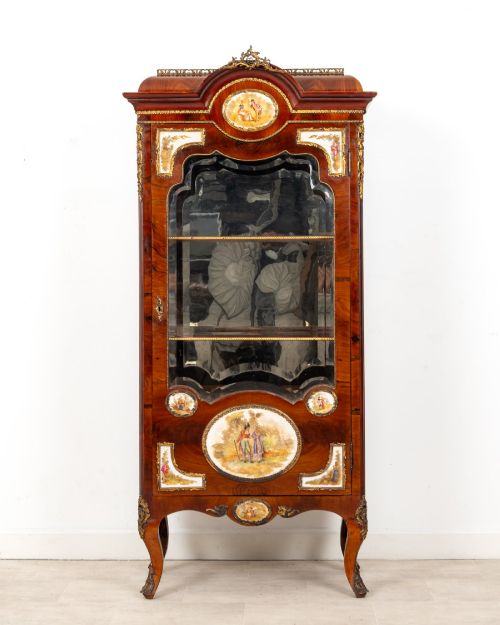
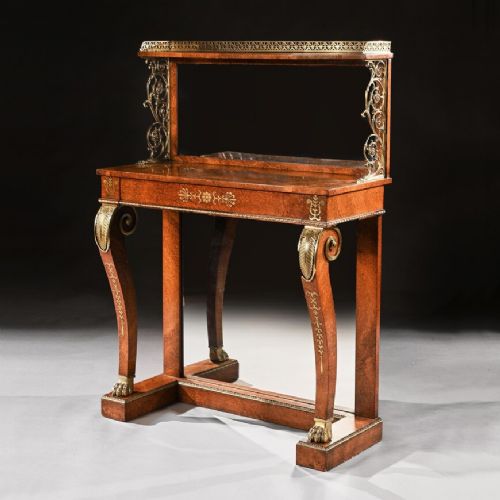
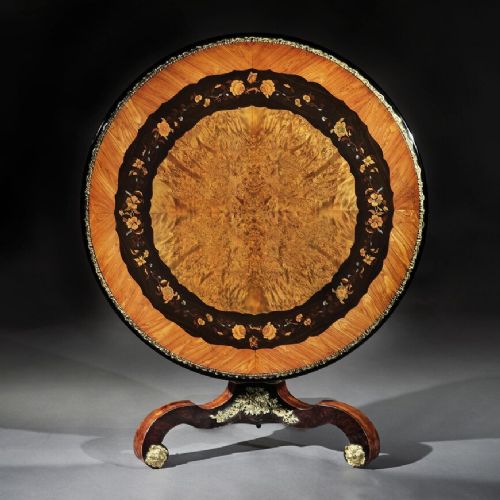
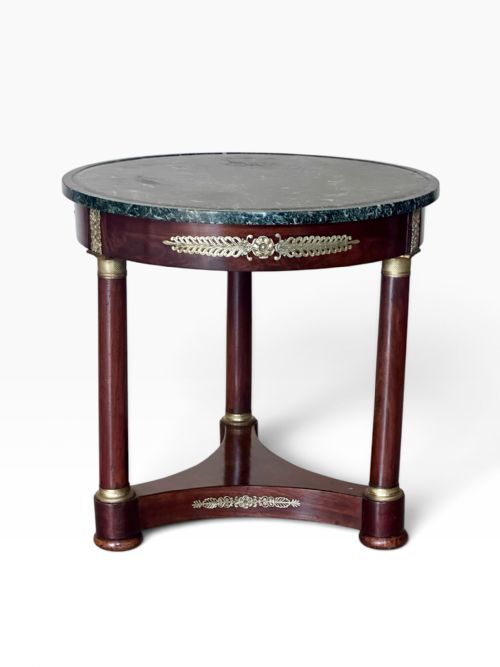
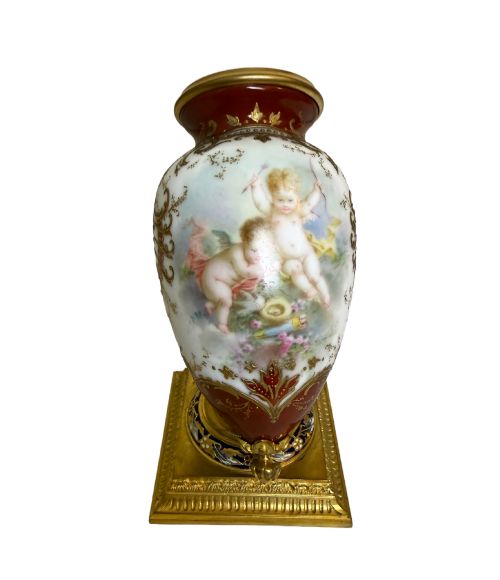
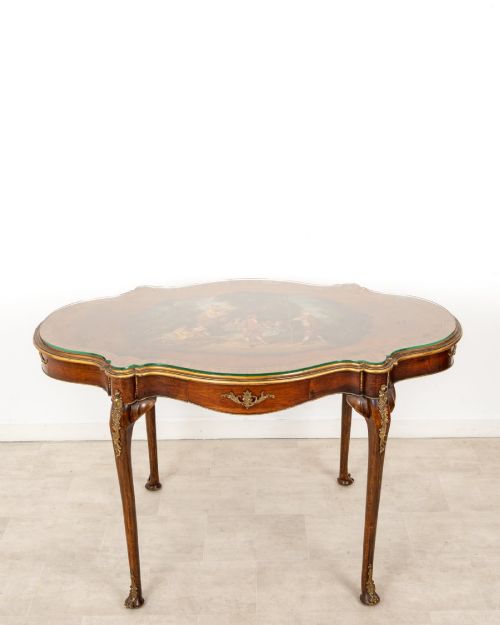
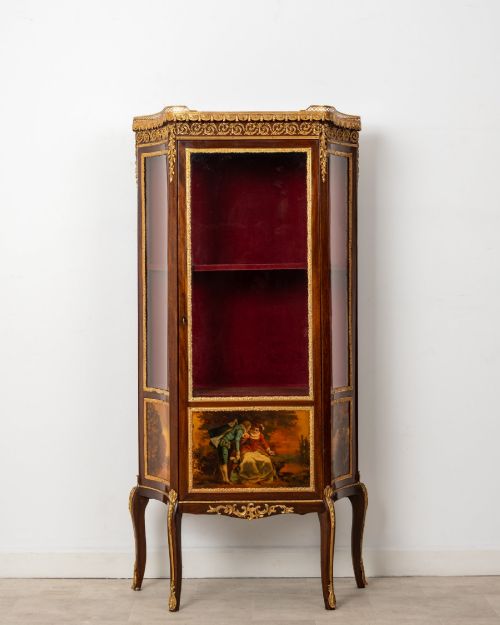
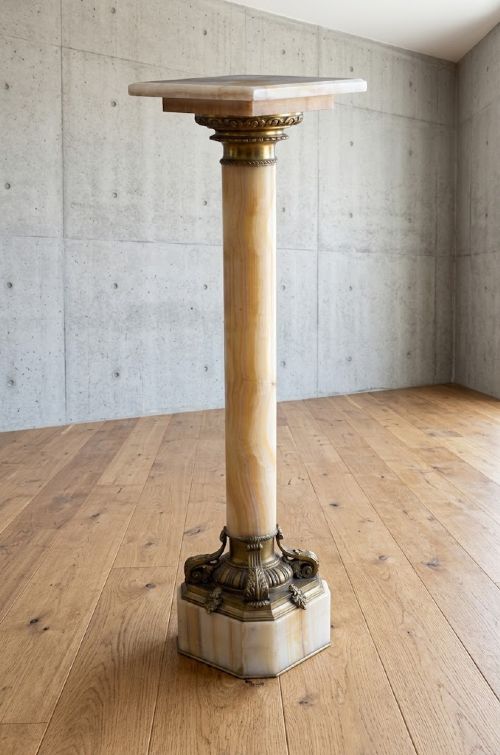
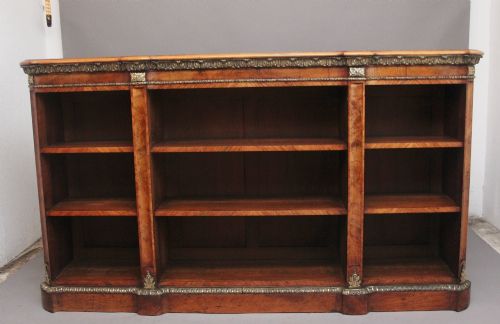
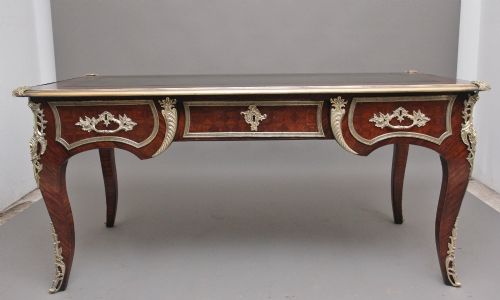
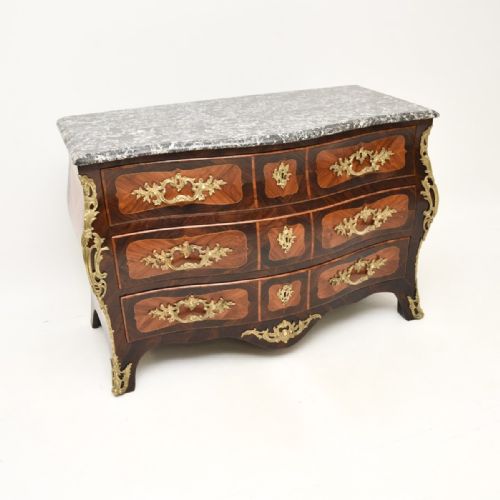
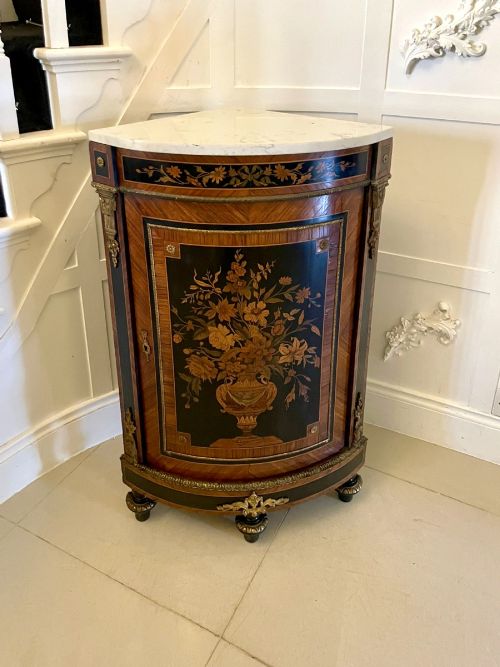
Gilt bronze mounts appear extensively on nineteenth-century French furniture, ornamental clocks, and porcelain vases from periods such as the Victorian era and the Edwardian epoch. Buyers encounter these metallic ornaments applied to centre tables, desks, credenzas, and display cabinets created in styles including Louis XV Revival, French Empire, and Rococo Revival. These cast components serve to accentuate structural corners, frame porcelain plaques, and border drawers on pieces constructed from rich timbers like kingwood, mahogany, and walnut.
The objects carrying these mounts originate predominantly from nineteenth-century workshops in Paris and London, where cabinet makers integrated cast metal to elevate domestic furnishings. On this page, the pieces range from large credenzas and bureau plats to smaller occasional tables and mantel clocks, all sharing the distinct visual weight of mercury-gilt or electrogilt embellishment. Many items reflect the nineteenth-century revival of eighteenth-century court aesthetics, adapting earlier royal motifs for contemporary bourgeois interiors.
Materials and technique
Makers produced gilt bronze mounts, also known as ormolu, by casting molten bronze from carved models and subsequently chasing the cooled surface by hand to sharpen details and textures. Craftsmen then applied an amalgamation of gold and mercury, heating the object to drive off the mercury and leave a durable golden layer across the bronze substrate.
The underlying carcases and surfaces carrying these mounts incorporate fine timbers such as kingwood, mahogany, amboyna, and walnut, frequently combined with marble tops, porcelain plaques, and brass inlay. Artisans secured the bronze ornaments to the wooden or stone bodies using small brass pins or screws fitted through discreet holes cast into the metal.
Gilt Bronze Mounts Retail Price Guide 2026
Typical asking prices for gilt bronze mounts among the pieces listed under this phrase on Sellingantiques today, from the lower quarter to the upper quarter. They describe what is for sale here now, not the wider market.
Objects carrying these mounts span functional furniture forms such as credenzas, pedestal desks, occasional tables, and display vitrines.
Evaluating quality
Integration between the mount and the host piece also dictates standard; the best examples fit flush against curved wood, marble, or porcelain surfaces without gaps. Furthermore, the longevity of the original fire gilding, visible through its warm, matte golden lustre rather than a bright brassy shine, separates workshop masterpieces from mass-produced later iterations.
Edward Holmes Baldock·Poix Blin·Johnstone and Jeanes·Jacques Bircklé·Maison Millet·Charles à Orléans·François Linke·Edwards and Roberts·Joseph-Emmanuel Zwiener·Paul Sormani·H. J. Hatfield and Sons·Jacques Adnet
The Gilt Bronze Mounts Glossary
- Ormolu
- A term denoting gilt bronze, derived from the French phrase indicating ground gold. This material was widely utilised across nineteenth-century furniture and clock cases for decorative mounts.
- Bureau plat
- A freestanding writing table fitted with drawers and typically ornamented with gilt bronze mounts along the apron and cabriole legs. These desks appear frequently in nineteenth-century French cabinet-making.
- Credenza
- A low dining-room sideboard or display cabinet featuring doors and substantial surface area, frequently decorated with parquetry, marquetry, and ormolu mounts. They anchor nineteenth-century formal interiors.
- Vitrine
- A glass-fronted display cabinet designed for exhibiting porcelain, ceramics, and small curiosities. The glass panels and shelves are often framed by gilt bronze borders.
- Vernis Martin
- A type of simulated Japanese lacquer developed in eighteenth-century France and revived during the nineteenth century. It frequently accompanies gilt bronze mounts on commodes and display cabinets.
Gilt Bronze Mounts: Frequently Asked Questions
What are gilt bronze mounts?
Gilt bronze mounts are decorative cast metal ornaments applied to the exterior of nineteenth-century furniture, clocks, and porcelain vessels. They provide structural framing and visual enrichment.
Craftsmen cast these elements in bronze before chasing the surfaces by hand and applying a gold finish. They became a defining feature of luxury cabinet-making during the nineteenth century.
How do you clean ormolu mounts?
Cleaning ormolu requires gentle dusting with a soft brush to remove particulate matter from the recessed chased areas. Harsh metal polishes must be avoided to prevent stripping the historic gold surface.
Water and chemical solvents can damage underlying timber or marble, so maintenance should remain strictly dry. Professional conservation is recommended for pieces showing significant tarnish or accumulated grime.
Are gilt bronze and ormolu the same?
Gilt bronze and ormolu describe the same material composition of a bronze base covered with a layer of gold. The term ormolu derives from the French description for ground gold.
In historical inventories and trade descriptions, the two terms are interchangeable. Both refer to the metallic ornamentation found on French and English decorative arts.
How do you date furniture with bronze mounts?
Dating furniture with bronze mounts involves examining the construction methods of the timber carcase alongside the casting style of the metal elements. Revival periods frequently replicated eighteenth-century forms during the nineteenth century.
Tool marks on the reverse of the mounts, screw types, and timber seasoning offer concrete clues to the exact decade of manufacture. Stylistic shifts between Louis XV, Louis XVI, and Empire models help narrow the chronological window.