





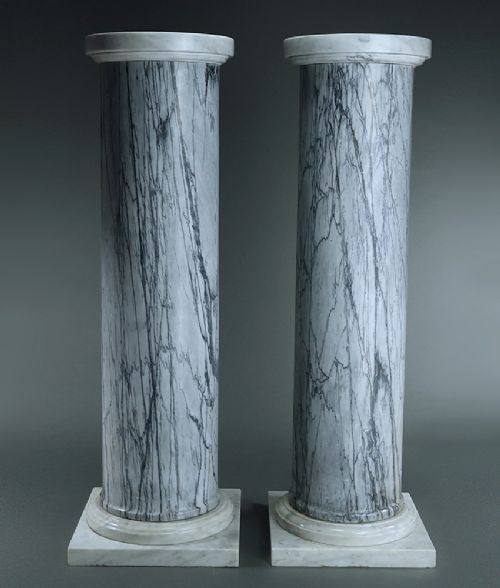


Marble Sculpture Stand
These marble sculpture stand options elevate display pieces using classic stones, columns and plinths.
Marble Sculpture Stand
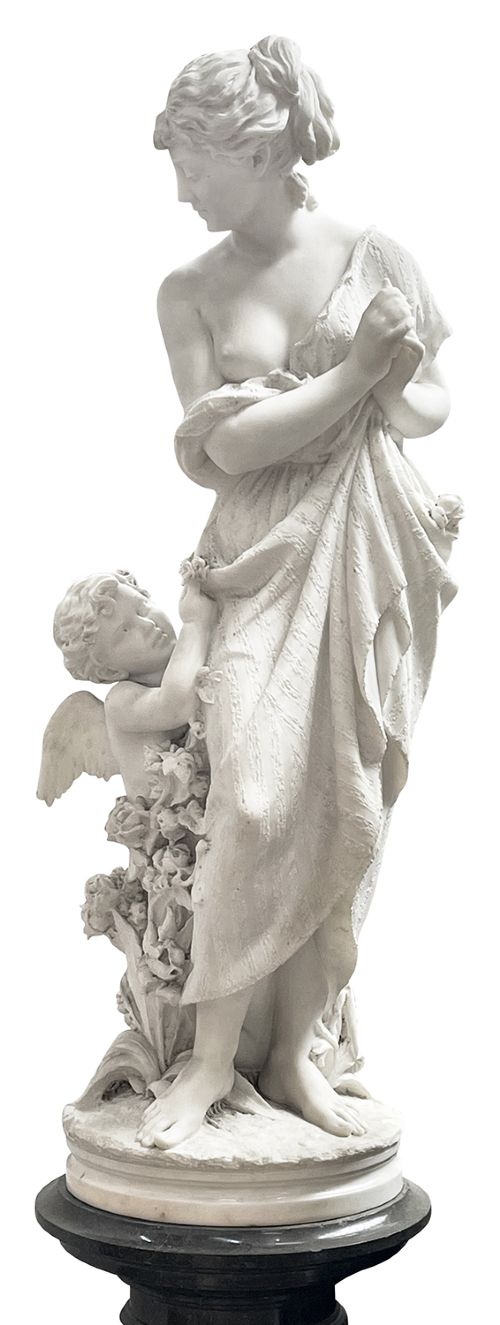
A marble sculpture stand functions as an architectural support for displaying figures, busts, urns and decorative objects. Buyers searching for this phrase encounter various pedestal forms including columns, triform bases and square plinths designed to elevate artwork within a room.
The pieces appearing here span the nineteenth century into the early twentieth century, incorporating Victorian, Neoclassical, Art Deco and Louis XVI styles. Most examples utilise natural stones or simulated finishes to support sculptures cast in bronze or carved from alabaster.
Originating largely from French and Italian workshops, these items range from simple cylindrical columns to elaborate mounts featuring ormolu collars. Selecting the right support depends on the scale and material weight of the sculpture it needs to carry.
Quality differences in stands
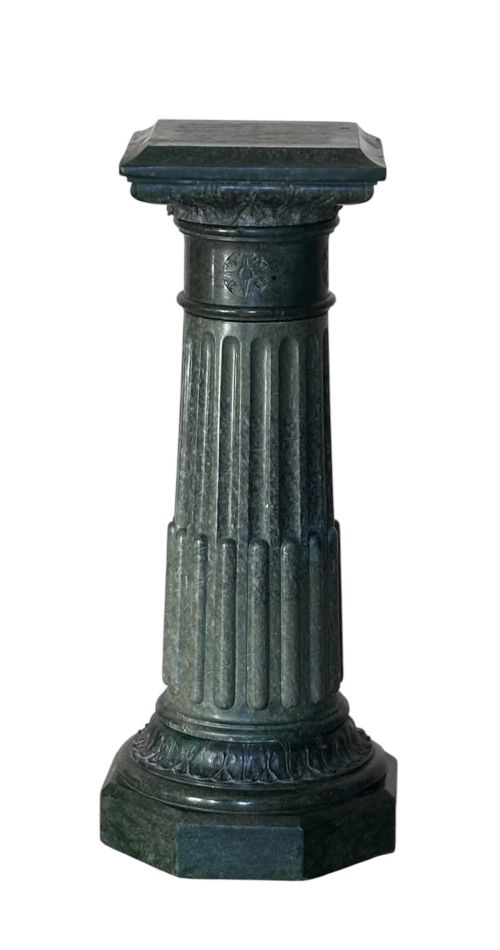
Superior examples distinguish themselves through the choice and figuring of the natural marble, such as rich serpentine or variegated green and red tones, paired with heavy cast bronze or fire gilt ormolu mounts. Finer pieces demonstrate precision in the turning of stone columns and the crispness of carved details.
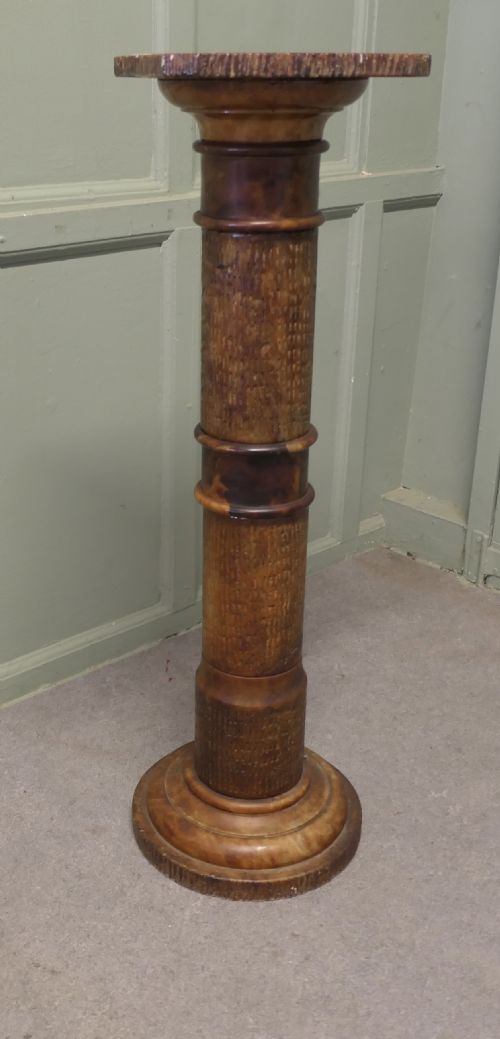
Lower tiers utilise simulated surfaces like faux marble paint or scagliola plaster over simpler wooden cores. The distinction lies in the solidity of the materials used and the architectural harmony between the supporting column and its base.
Marble Sculpture Stand Retail Price Guide 2026
Typical asking prices for marble sculpture stand among the pieces listed under this phrase on Sellingantiques today, from the lower quarter to the upper quarter. They describe what is for sale here now, not the wider market.
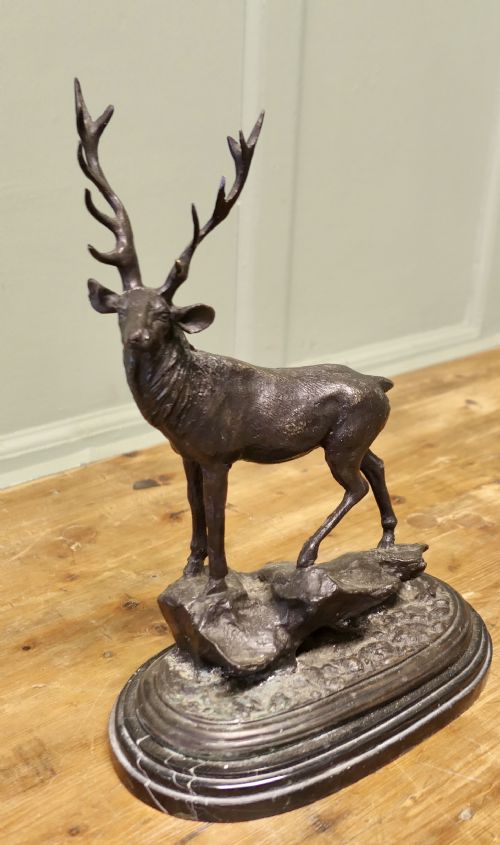
Several stands double as resting spots for elegant ladies, storks, stags and Cleopatra.
Bruno Zach·Georges Van Der Straeten·Fritz Kochendorfer
The Marble Sculpture Stand Glossary
- Ormolu
- Gilded bronze applied as a decorative mount or collar on nineteenth century furniture and sculpture stands. This technique adds metallic highlights to stone columns.
- Scagliola
- A composite material made from selenite, glue and pigments, imitation marble and other hardstones. Artisans spread and polish this mixture to create decorative pedestals.
- Verde Antico
- A dark green serpentine breccia marble quarried in antiquity and revived during the nineteenth century. It frequently appears in classical column supports.
- Plinth
- The lower flat base that supports a column, pedestal or sculpture. It provides stability and visual grounding for upright display pieces.
- Triform
- A three-sided architectural base or pedestal design. Eighteenth and nineteenth century makers utilised this shape for stability.
Marble Sculpture Stand: Frequently Asked Questions
What holds up a marble sculpture stand?
Most stands rely on solid stone columns, heavy wood cores wrapped in faux marble, or composite scagliola structures that distribute weight evenly down to the base.
Heavier sculpture stands often incorporate metal collars and wide plinths to ensure stability for bronze figures and stone busts placed on top.
Where should I place a pedestal?
These pieces suit corners, entryways or focal points in a room where a three-dimensional artwork requires elevation for proper viewing.
Ensure the floor surface is level and can support the combined weight of the heavy stone column and the sculpture resting upon it.
How do I identify Neoclassical stands?
Neoclassical pieces draw inspiration from ancient Greek and Roman architecture, featuring clean fluted columns, square capitals and restrained decorative mounts.
They often utilise classic marbles like Carrara or Verde Antico without the excessive curves found in later Rococo revival designs.
Can these stands support heavy bronze figures?
Solid marble, onyx and heavy stone columns possess the structural mass necessary to bear the weight of cast bronze sculptures and large alabaster figures.
Lighter stands made from painted plaster or hollow wood require careful weight distribution and suit smaller decorative objects or plants rather than massive metal statues.