




Antique Mercury Thermometer
When you search for an antique mercury thermometer, you find scientific instruments that combine precision measurement with period craftsmanship.
What these pieces are
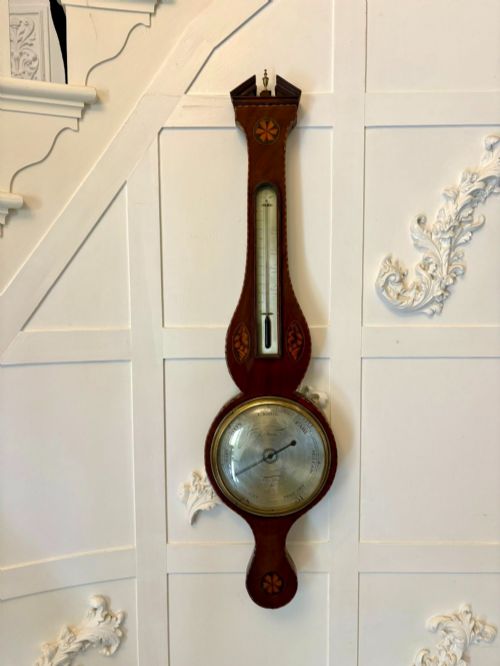
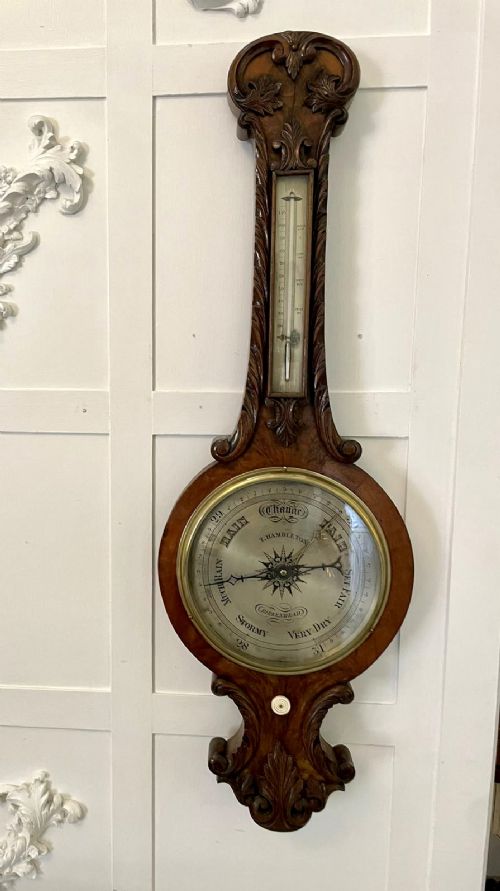
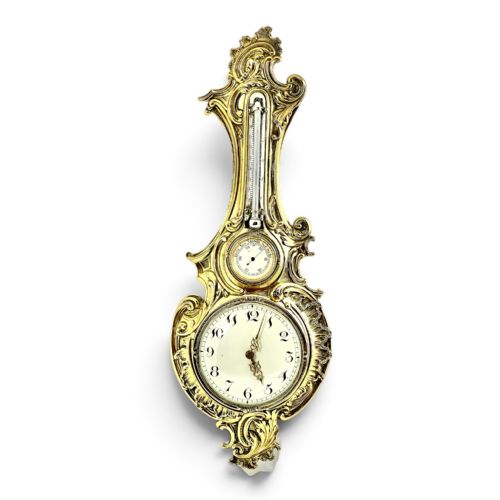
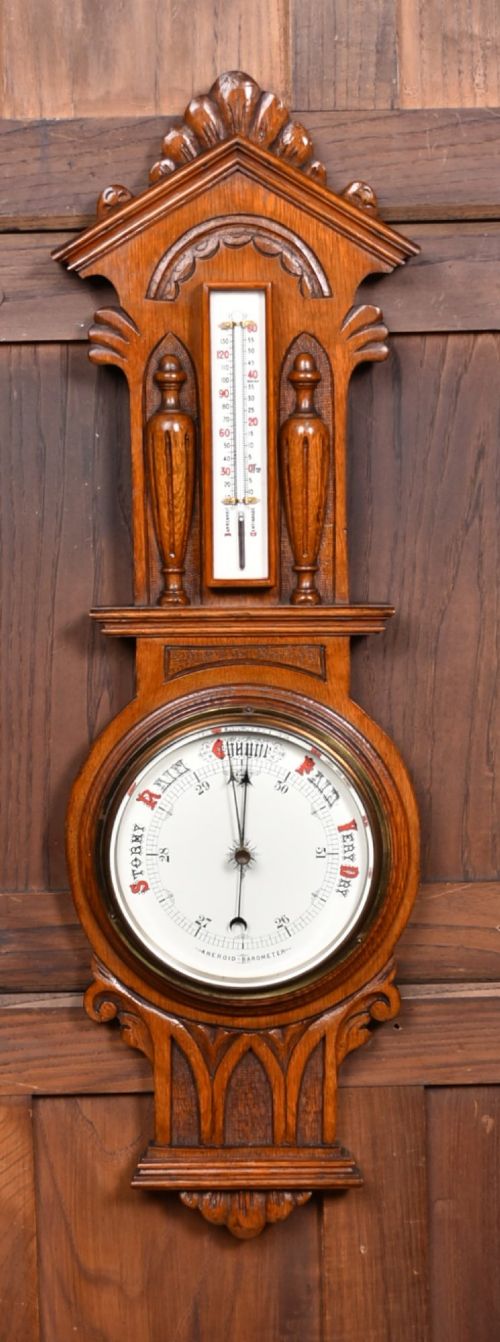
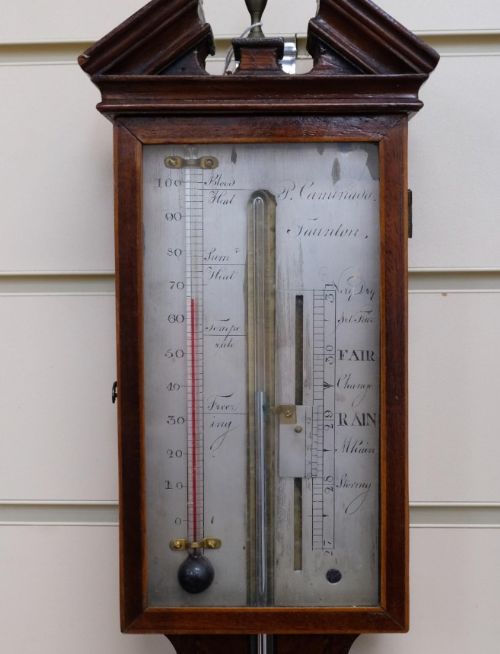
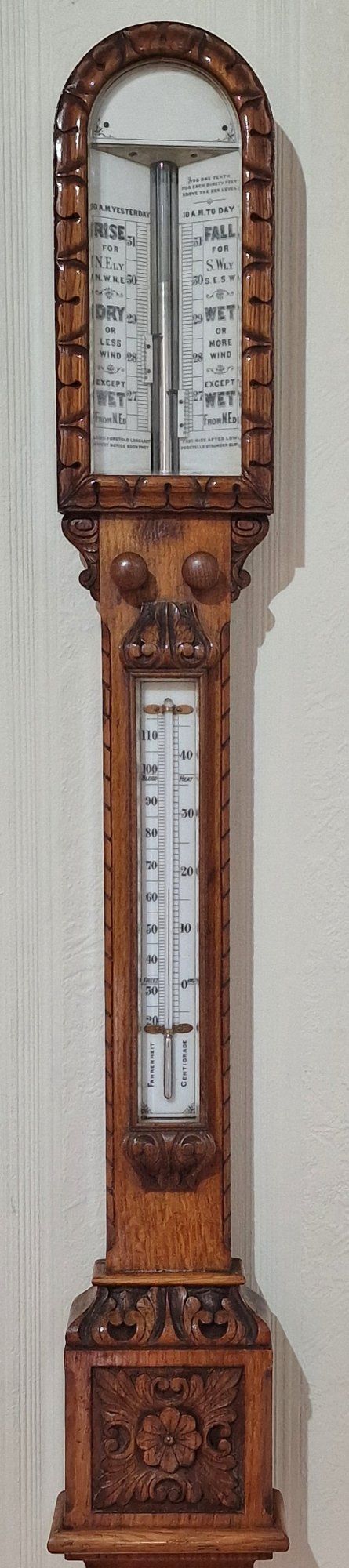
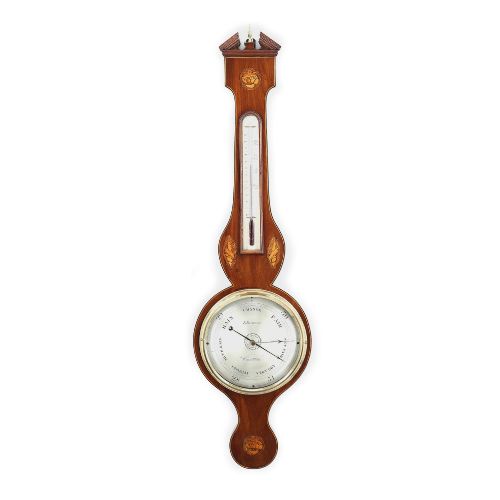
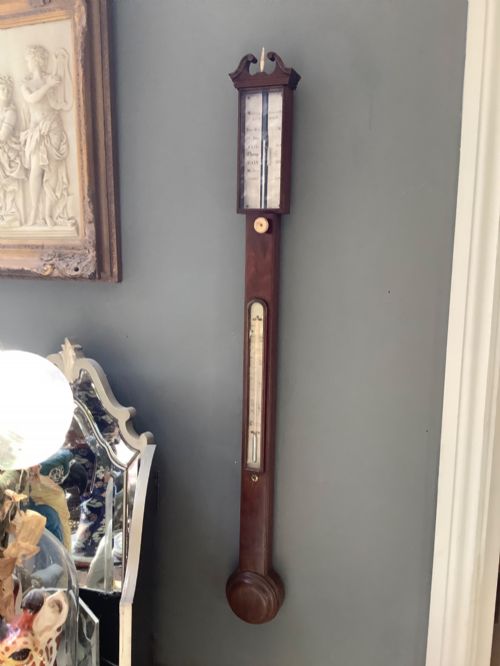
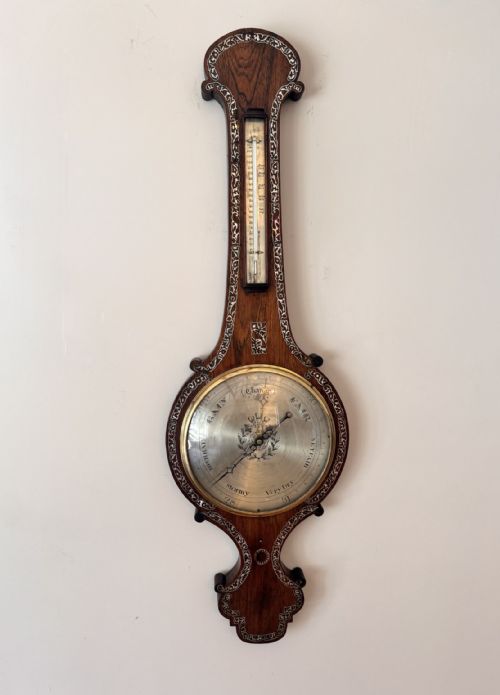
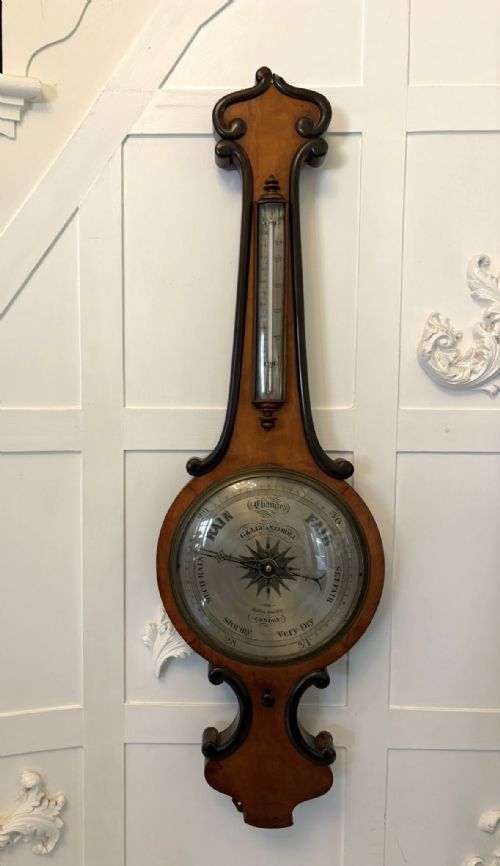
An antique mercury thermometer is a recording instrument housed in period materials like mahogany, brass, glass, and marble. Buyers seeking an antique mercury thermometer will encounter wall thermometers, desk models, and larger combined weather stations.
The selections span from Georgian and Victorian eras into the twentieth century, reflecting both domestic interiors and scientific utility. The most frequent formats are wall-mounted instruments and desk pieces placed on serpentine or marble bases.
Makers such as Negretti & Zambra and Cox of Plymouth Dock represent the standard of scientific instrument production found in these listings. These pieces function simultaneously as decorative art objects and historical records of temperature and atmospheric pressure.
How they were made
Instrument makers utilised glass tubes filled with mercury, mounted to backplates of silvered metal, enamel, or brass. These plates were graduated with etched or engraved temperature scales.
Casings and mountings relied on traditional cabinetmaking techniques using solid mahogany, walnut, and marquetry woodwork. Decorative elements incorporated bronze casting, silver gilt, and inlaid stone such as Ashford black marble.
Retail Price Guide 2026
Typical UK retail prices for mercury thermometer, calculated from the Sellingantiques database of over a million retail prices indexed since 2003. This retail price guide relies exclusively on Sellingantiques data; no external sources or auction records are used, so the figures do not describe the wider market.
Materials span glass, brass, mahogany, enamel, silver gilt, wood inlay, bronze, and silvered metal.
What varies in quality
The distinction between standard production and superior craftsmanship lies in the refinement of the housing and the reputation of the maker. Signed instruments by notable firms command greater attention than unsigned utilitarian equivalents.
Materials dictate the upper tier of the range, where complex woodworking, mercury gilding, and carved stone bases elevate the scientific instrument into a luxury furnishing. Simpler wooden wall mountings occupy the more functional baseline of the category.
Cox of Plymouth Dock·Negretti & Zambra
The Antique Mercury Thermometer Glossary
- Mercury
- A liquid metallic element utilised inside sealed glass capillary tubes to register temperature changes through expansion. Its sensitivity made it the standard for precise scientific measurement.
- Silvered metal
- A brass or copper dial plate treated with a silver compound to produce a bright, matte finish for engraved lettering. This surface provides high contrast for reading measurements.
- Marquetry
- The art of applying small pieces of veneer to a structure to form decorative patterns or pictures. It appears on the wooden cases of sophisticated domestic instruments.
- Serpentine
- A green or red patterned mineral rock carved and polished to create heavy, stable bases for desk instruments. It gained popularity during the Victorian period for decorative stonework.
Frequently Asked Questions
How do I hang a wall thermometer safely?
Ensure the wall bracket or hanging loop on the reverse of the wooden case is secure and test the weight before trusting it to a single fixing. Hang the instrument away from direct sunlight and heat sources to preserve both the wooden casing and the accuracy of the reading.
Check the wall type and use appropriate fixings suited to the weight of the mahogany, marble, or bronze housing.
Can I read historical temperatures accurately?
These instruments record ambient temperature according to period scales, but antique thermometers serve primarily as historic decorative objects rather than laboratory-grade tools. Variations can occur due to age and the settling of the glass over many decades.
Treat the readings as general indicators of climate rather than exact calibration.
How do I date an antique thermometer?
Examine the style of the wooden case, the typography on the scale plate, and any signatures or maker marks engraved on the metal. Georgian pieces often feature simple mahogany backplates, while Victorian examples introduce marble, gilt, and ornate revival styles.
Maker signatures provide the most reliable path to dating when tied to historical trade directories.
Where should I place a desk thermometer?
Place desk models on stable surfaces like library tables or mantelpieces away from high-traffic areas where they might be knocked. Heavy bases made of marble or serpentine provide natural stability for upright desk instruments.
Keep them clear of windowsills to protect the wood and metal components from moisture and extreme temperature swings.