

Vintage Scientific Instrument
These vintage scientific instrument examples combine precision engineering with period cabinetry, offering tangible links to historical measurement and observation.
What vintage scientific instrument pieces are
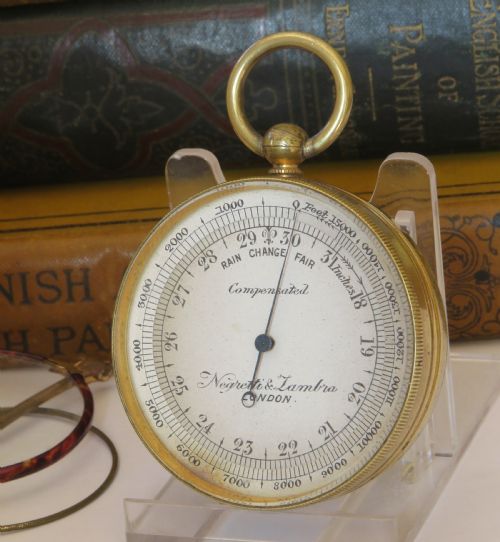
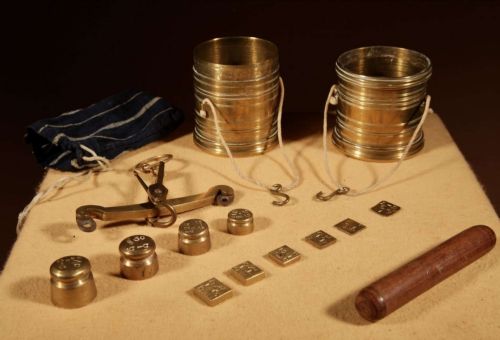
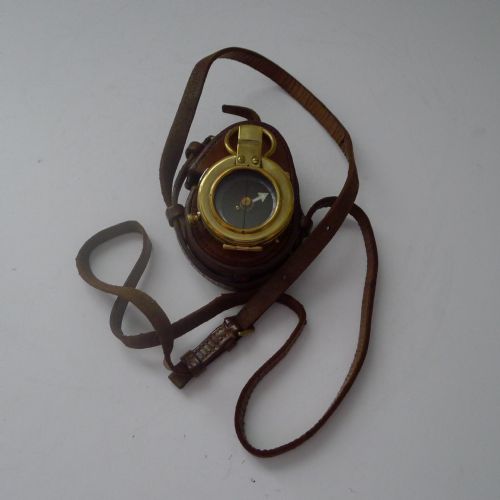
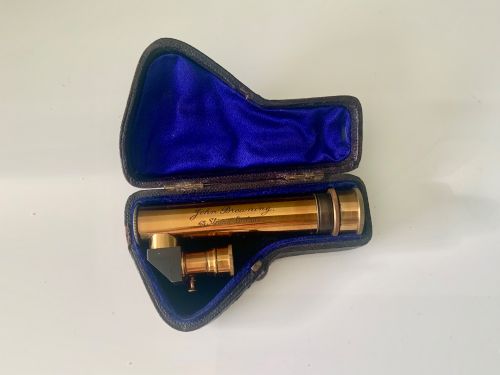
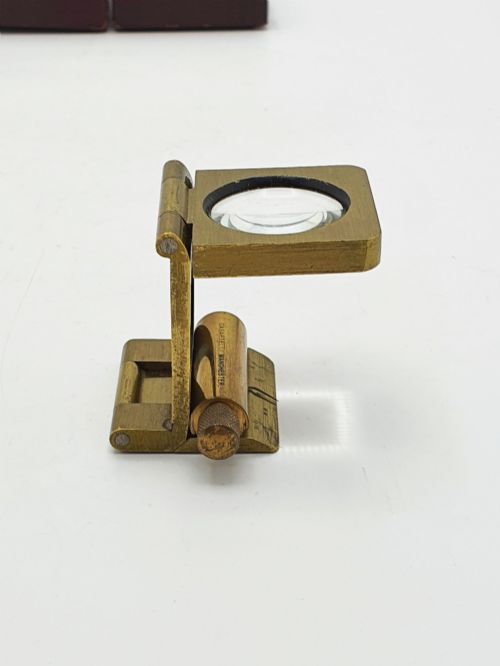
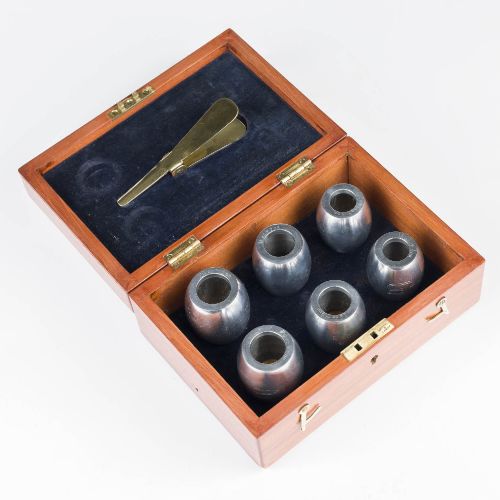
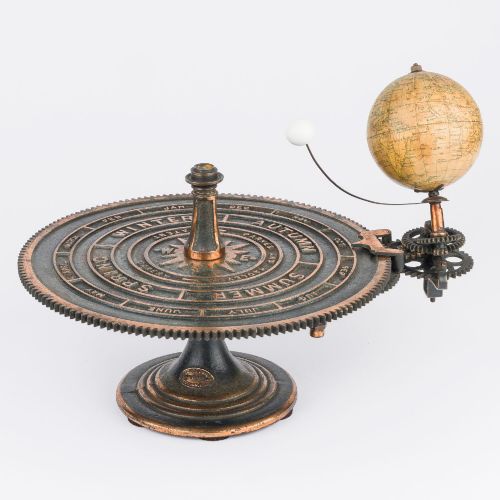
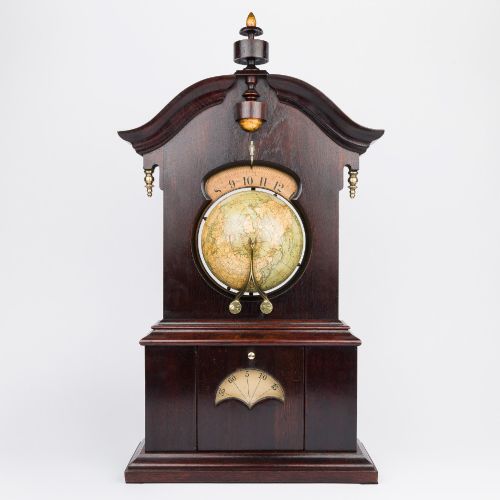
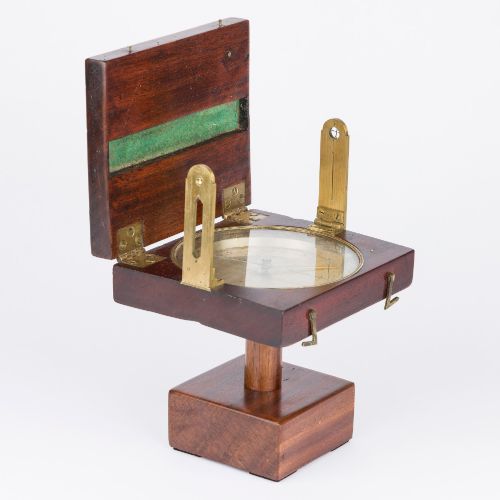
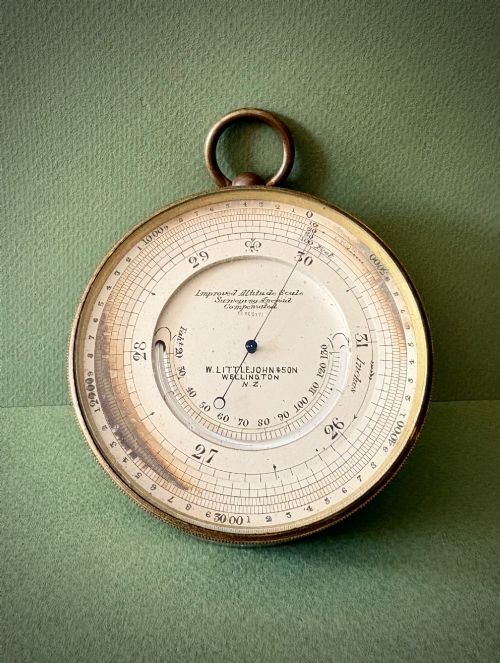
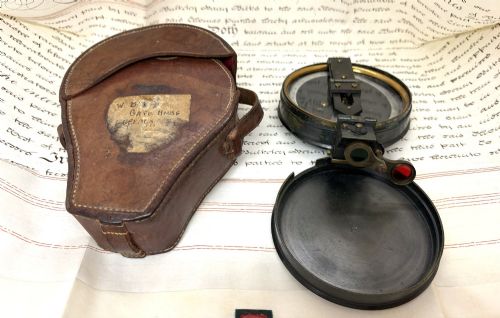
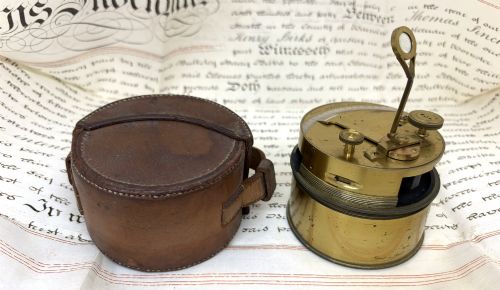
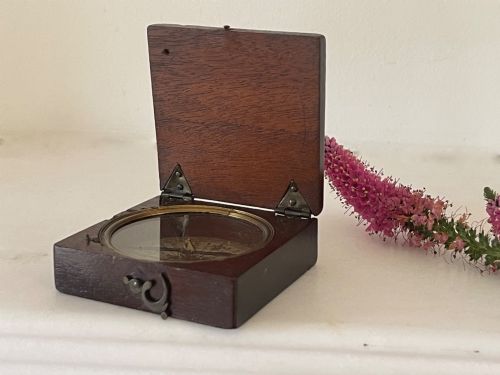
When buyers search for a vintage scientific instrument, they encounter functional apparatus housed in period enclosures spanning the nineteenth and early twentieth centuries. These objects range from weather-recording barographs and barometers to terrestrial telescopes and jewellers balance scales.
The versions most commonly met on this page include mahogany and oak cased barographs featuring chart drawers and bevelled glass panels, alongside brass and fruitwood draw telescopes. The periods represented run from Victorian and Edwardian examples through to items dated around nineteen ten.
Makers such as Short and Mason appear among the barographs, whilst other pieces show Neoclassical, Art Nouveau, and Victorian stylistic influences. Each item demonstrates how practical utility was merged with domestic display during these eras.
How they were made
Construction relies heavily on dense hardwoods like mahogany, oak, and fruitwood for the protective cases and scale mountings, often enhanced with wood inlay and marquetry work. Brass provides the durable structural framework for optical tubes, balance beams, and dial bezels.
Glass is utilised for viewing windows, particularly bevelled panes on barograph covers and delicate gauge faces. Paper charts record meteorological data within the mechanical recording drums, completing the mix of materials.
Retail Price Guide 2026
Typical UK retail prices for vintage scientific instrument, calculated from the Sellingantiques database of over a million retail prices indexed since 2003. This retail price guide relies exclusively on Sellingantiques data; no external sources or auction records are used, so the figures do not describe the wider market.
Some barographs include a built-in drawer specifically designed to store spare paper recording charts.
What varies in quality
Quality differences emerge in the sophistication of the cabinetry and the refinement of the metalwork, distinguishing standard utility items from finer signed pieces. The presence of makers like Short and Mason elevates a barograph through superior mechanical precision and inscribed detail.
The integration of decorative styles, such as Art Nouveau or Neoclassical marquetry upon mahogany and oak cases, separates basic instruments from those intended for prominent drawing room placement.
Short And Mason
The Vintage Scientific Instrument Glossary
- Barograph
- A self-recording aneroid barometer that traces atmospheric pressure onto a paper chart over time. These mechanical instruments usually sit within glazed wooden cases.
- Aneroid
- Operating without liquid, using a flexible metal box that expands or contracts with changes in air pressure. This mechanism drives the recording arms on barographs.
- Terrestrial telescope
- An optical instrument designed for viewing distant land objects rather than astronomical bodies. They often utilise multiple brass draws and fruitwood bodies.
- Marquetry
- Decorative woodwork where pieces of veneer are fitted into a panel to form designs. This technique appears on Neoclassical barometer housings.
- Bevelled glass
- Glass panes with edges cut and polished at an angle. This detail frames the internal mechanisms of quality instrument cases.
Frequently Asked Questions
What is a barograph?
A barograph is a mechanical weather-recording device that uses an aneroid mechanism to map atmospheric pressure onto paper charts. These instruments are housed in glazed wooden cases with chart drawers.
They record continuous pressure shifts over weekly cycles, providing both scientific utility and decorative cabinetry.
How do I date a scientific instrument?
Dating relies on stylistic clues like Victorian or Edwardian cabinet designs, Neoclassical marquetry, or Art Nouveau inlay work. Inscribed maker details also help establish production periods.
Materials such as brass, mahogany, and specific wood types further indicate the manufacturing era of the piece.
Where were these instruments used?
These pieces were utilised in domestic halls, libraries, jewellers' workshops, and maritime settings for measurement, navigation, and observation. Their dual purpose demanded both mechanical accuracy and presentable cabinetry.
Instruments like balances and barographs formed part of professional and wealthy household inventories.
How do I care for wood and brass?
Maintenance involves keeping wooden cases away from direct heat and moisture to protect mahogany, oak, and fruitwood surfaces. Brass components benefit from gentle dusting without harsh chemical polishes.
Glass panels and delicate internal movements require careful handling to preserve their original condition.