






Antique Brass Telescope
An antique brass telescope brings the craftsmanship of maritime navigation and scientific discovery directly into a modern study.
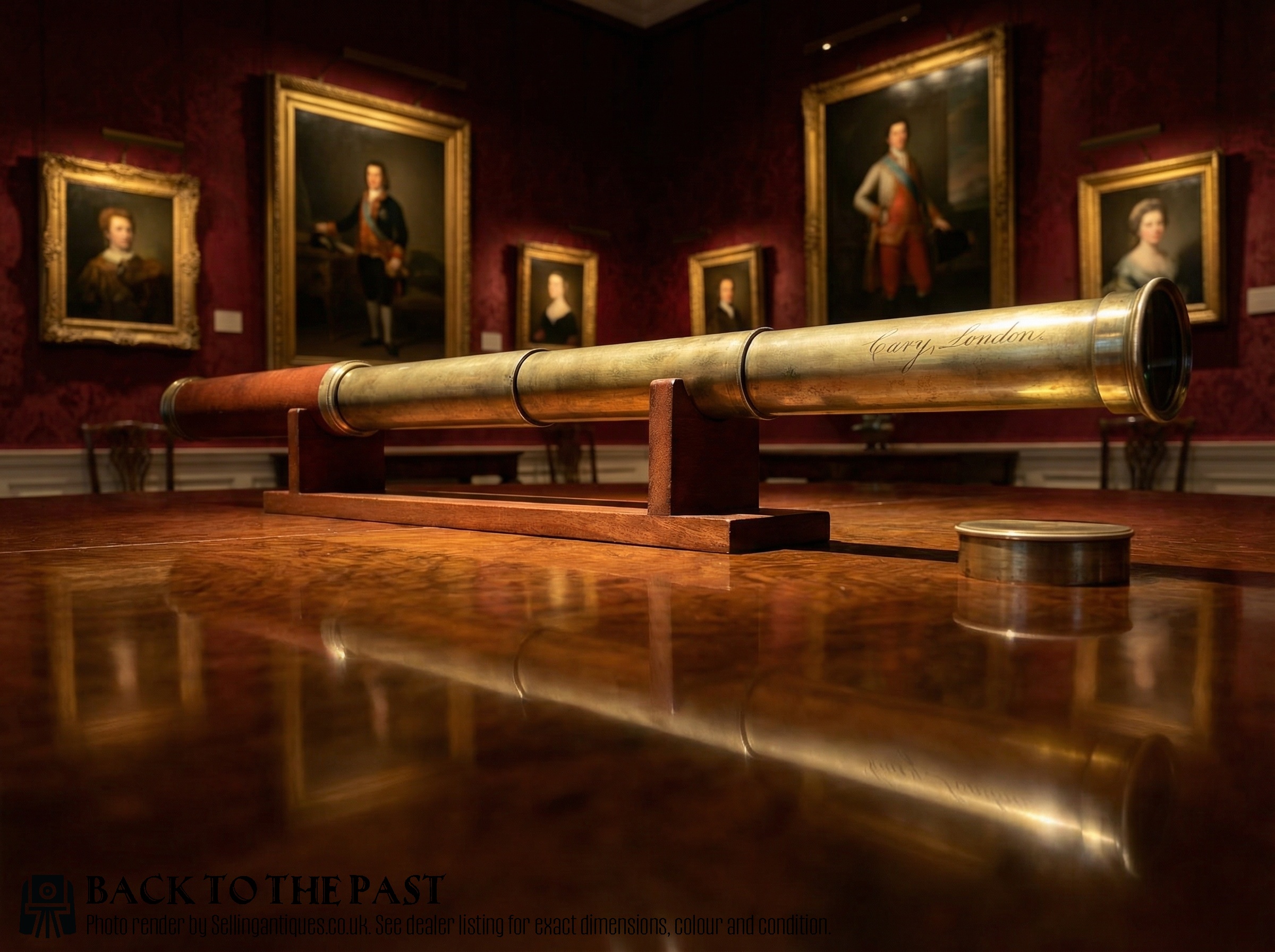
Antique Brass Telescope
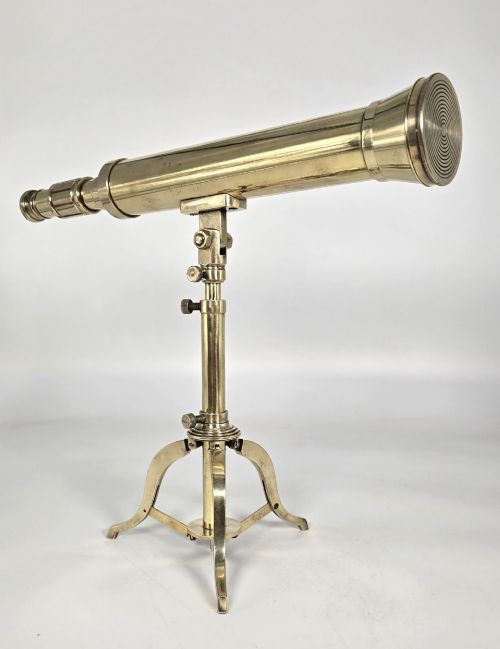
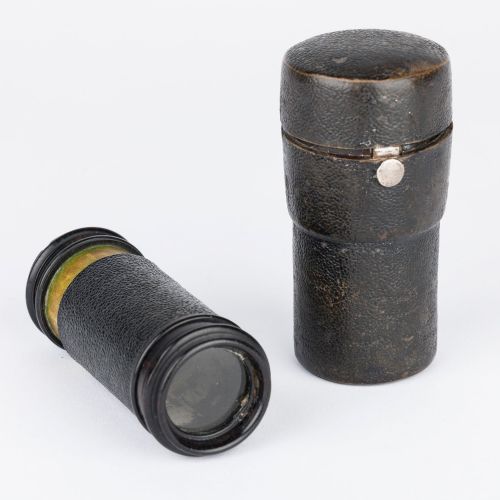
When searching for an antique brass telescope, buyers encounter instruments designed for terrestrial viewing, maritime use, and astronomical study. These optical tools range from pocket-sized spyglasses to heavy library telescopes mounted on folding brass tripods.
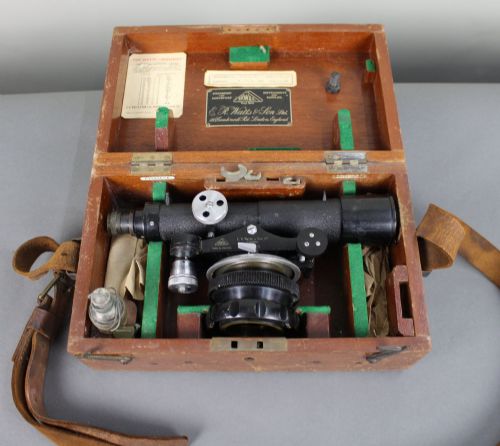
The pieces on this page heavily feature multi-draw configurations, typically spanning two to six sliding sections of polished brass tubes. Many examples retain their protective leather grips, mahogany barrels, or fitted wooden cases.
Originating predominantly from British workshops and retailers spanning the eighteenth through the early twentieth centuries, these instruments reflect both utilitarian naval utility and refined domestic display.
Materials and Construction
Makers constructed the primary optical tubes and draw-sections from polished brass, utilising glass lenses to achieve magnification for day or night viewing. The metal components were often turned on a lathe to ensure tight, smooth telescoping fits between the sliding draws.
Secondary materials played a crucial role in handling and protection, with workshops wrapping the exterior brass barrels in stitched leather, crocodile skin, or encasing them in dense hardwoods like mahogany, walnut, and fruitwood.
Antique Brass Telescope Retail Price Guide 2026
Typical asking prices for brass telescope among the pieces listed under this phrase on Sellingantiques today, from the lower quarter to the upper quarter. They describe what is for sale here now, not the wider market.
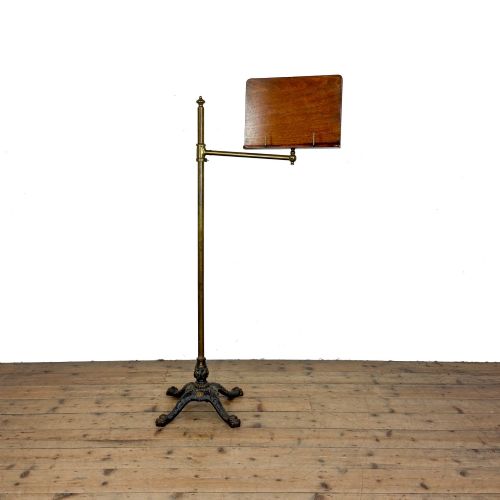
Listings feature instruments spanning the eighteenth century through the Edwardian period, utilising brass, glass, leather, mahogany, and cast iron.
Assessing Quality and Execution
Quality in these instruments is determined by the precision of the optical glass and the tightness of the draw-sections when extended. Superior examples maintain crisp focus and smooth mechanical action without excessive play between the brass tubes.
The reputation of the maker, often engraved directly onto the draw tube or eyepiece, distinguishes standard utility items from premium scientific instruments. Original accessories such as matching lens caps, fitted mahogany cases, and folding brass tripods elevate the completeness and desirability of a piece.
Nairne & Blunt·W & S Jones·Ross of London·Voigtländer & Sohn·W. & T. Gilbert·Clarkson·Steward of London·L Casella·Chadburn Brothers·S & B Solomons·Matthew Berge·G. Adams·Dollond·Broadhurst Clarkson & Co·Thomas Harris & Son·Henry Hughes·J. Sewill·Aitchison & Co·Salom & Co·Thomas Mason
The Antique Brass Telescope Glossary
- Spyglass
- A small, portable refracting telescope usually consisting of two or more draws. These compact instruments were easily carried in a pocket for quick terrestrial viewing.
- Draw
- An individual sliding tube section of a telescope. Telescopes are frequently categorized by the number of draws they possess, such as three-draw or six-draw configurations.
- Terrestrial
- Designed for viewing objects on land rather than celestial bodies. Terrestrial telescopes incorporate erecting lenses to ensure the image appears right-side up.
- Library Telescope
- A larger, substantial telescope intended for stationary indoor use on a table or tripod. These instruments often feature higher magnification suitable for both land and astronomical observation.
- Achromatic
- An optical lens design corrected to reduce colour fringing around images. This technical advancement significantly improved clarity in nineteenth-century optical equipment.
Antique Brass Telescope: Frequently Asked Questions
What is the difference between a spyglass and a library telescope?
A spyglass is a compact, portable instrument designed to be held in the hand and easily carried in a pocket or coat. They typically feature multiple sliding draws for quick deployment in the field or at sea.
In contrast, a library telescope is a much larger, heavier instrument intended for stationary use. These usually require a dedicated table stand or folding tripod and offer superior magnification for detailed terrestrial or astronomical viewing.
How do I know if my telescope is complete?
Completeness in these instruments often depends on the presence of original protective elements such as sliding lens dust covers, eyepiece shutters, and fitted wooden storage boxes. Portable versions frequently lack external stands, whereas larger library models were originally paired with specific brass tripods or pillar mounts.
Signed maker inscriptions engraved onto the terminal draw tube also indicate an intact, original optical assembly. Missing lenses or severely dented brass tubes generally point to incomplete or altered historical states.
Were these telescopes used exclusively at sea?
While many surviving examples served as maritime deck instruments for officers of the watch, a substantial portion of these pieces were built for land use. Terrestrial spyglasses and multi-draw pocket scopes were widely utilised by explorers, travellers, and sportsmen for viewing distant landscapes.
Library and astronomical variants remained indoors for studying the stars or observing distant rural scenery from a domestic window or country estate.
How are different periods identified?
Periods are primarily determined by manufacturing materials, typography of the maker's signature, and optical technology. Eighteenth-century and Georgian pieces frequently showcase simpler single or double-draw designs with mahogany barrels and handwritten script signatures.
Victorian and Edwardian instruments lean towards heavier brass construction, multi-draw configurations up to six sections, stamped factory lettering, and specialised leather or crocodile skin grips.