


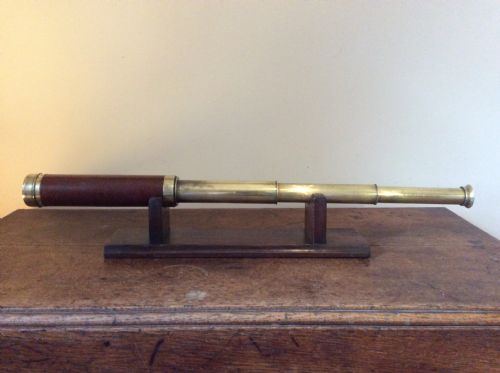


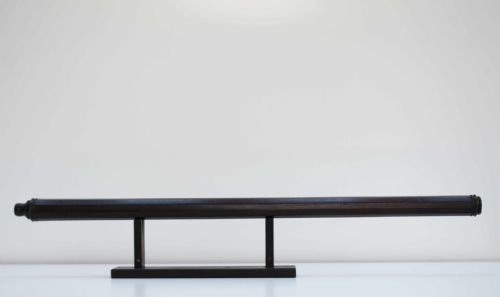
Georgian Brass Telescope
These georgian brass telescope examples are precision optical instruments built for navigation and observation, offering brass barrels and traditional mahogany or leather bodies that collectors value for their historic utility.
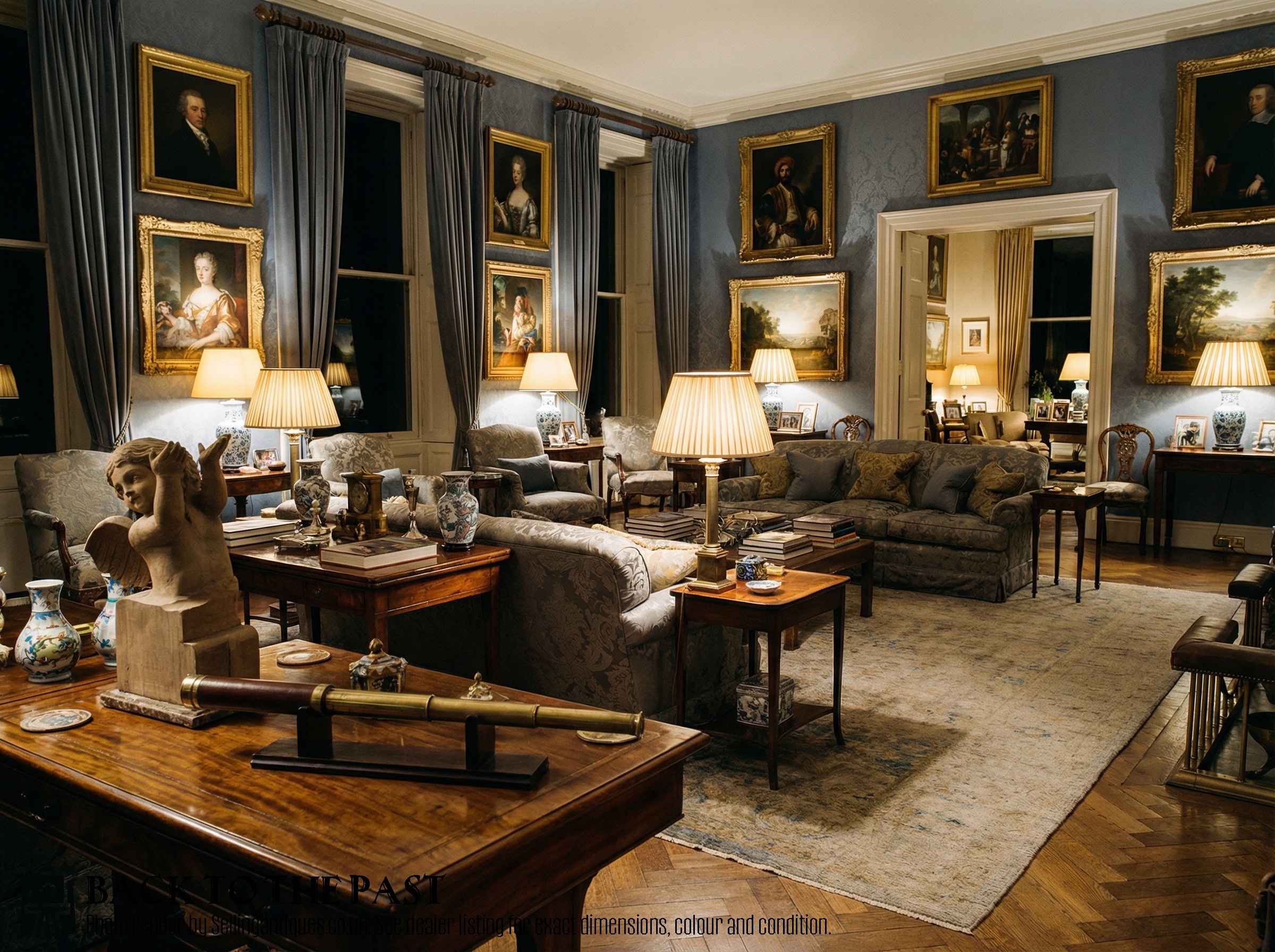
Georgian Brass Telescope
A georgian brass telescope is a historic optical instrument designed for navigation, science, and terrestrial viewing. The pieces seen here span the eighteenth and nineteenth centuries, including library instruments on stands, portable pocket versions, and multi-draw configurations.
Most examples combine polished or patinated brass with timber components such as mahogany, walnut, or simple wood, while some feature leather or cardboard coverings. Makers from London and Edinburgh signed many of these works, creating distinct forms from compact pocket draws to large library apparatus.
How they were made
Makers constructed the primary optical tubes from drawn brass, often housing multiple extending draws to adjust the focal length. These metal components were paired with turned mahogany, walnut, or wood bodies, occasionally wrapped in leather or cardboard for a secure grip.
Lenses fitted inside these barrels enabled magnification, with specialised examples utilising silvered metal for dials and compass cards on associated scientific instruments.
Georgian Brass Telescope Retail Price Guide 2026
Typical asking prices for georgian brass telescope among the pieces listed under this phrase on Sellingantiques today, from the lower quarter to the upper quarter. They describe what is for sale here now, not the wider market.
The evidence records specific object types encompassing scientific instruments, navigational instruments, and telescopes.
What varies in quality
The distinction between standard and superior pieces rests on the precision of the signed maker's inscription and the complexity of the housing. Instruments bearing the names of prominent opticians display finer engraving on the brass barrels and superior optical clarity.
The presence of original fitted wooden cases and specialised supporting stands elevates an instrument's standing among surviving examples from this era.
Nairne & Blunt of London·W & S Jones·W. & T. Gilbert·Cary London·Alexander Adie of Edinburgh·Matthew Berge London·G. Adams of London·John Gilbert
The Georgian Brass Telescope Glossary
- Draw
- A sliding tube section that extends from the main barrel to alter the focus of the telescope. Multi-draw designs allowed pocket instruments to collapse into compact lengths.
- Achromatic
- An optical design utilising paired lenses to correct colour distortion and provide a clearer image. This technical advancement improved viewing sharpness in eighteenth-century instruments.
- Library telescope
- A larger stationary optical instrument mounted on a dedicated stand for use on a desk or table. These pieces were designed for terrestrial or celestial observation indoors rather than portability.
- Theodolite
- A precision surveying instrument equipped with graduated circles and sighting telescopes. Makers of navigational instruments often produced these alongside optical telescopes.
Georgian Brass Telescope: Frequently Asked Questions
How do I use a draw telescope?
Grip the main barrel and gently pull each sliding section outward until fully extended. Adjust the final drawer slowly while viewing a distant object until the image comes into clear focus.
Keep the lenses clean using a soft cloth and avoid forcing any stuck metal draws, as historical brass threads and tubes require delicate handling.
Where were these telescopes made?
The majority of these instruments originated in workshops based in London and Edinburgh, which served as major centres for precision scientific instrument making during the eighteenth and nineteenth centuries.
Master opticians signed their work directly onto the brass draw tubes, identifying the specific maker and workshop location for contemporary users and modern collectors alike.
What is a library telescope?
A library telescope is a larger optical instrument intended for stationary use on a desk or table, supported by a dedicated wooden or brass stand. These were kept in studies for viewing distant terrestrial landscapes or celestial bodies.
Unlike portable pocket versions, library models prioritized stability and larger lens diameters over compact dimensions.
How do I display a telescope safely?
Display the instrument resting horizontally on custom wooden supports or mounted securely on its original desk stand if included. Keep the piece away from direct sunlight and areas subject to sudden temperature shifts.
Allowing the brass to maintain its natural patination while keeping the timber bodies conditioned helps preserve the historic character of the instrument.