



Antique Navigational Instrument
An antique navigational instrument brings the exact science of the sea and sky into your hands, offering brass compasses and wooden telescopes made to chart unknown waters.
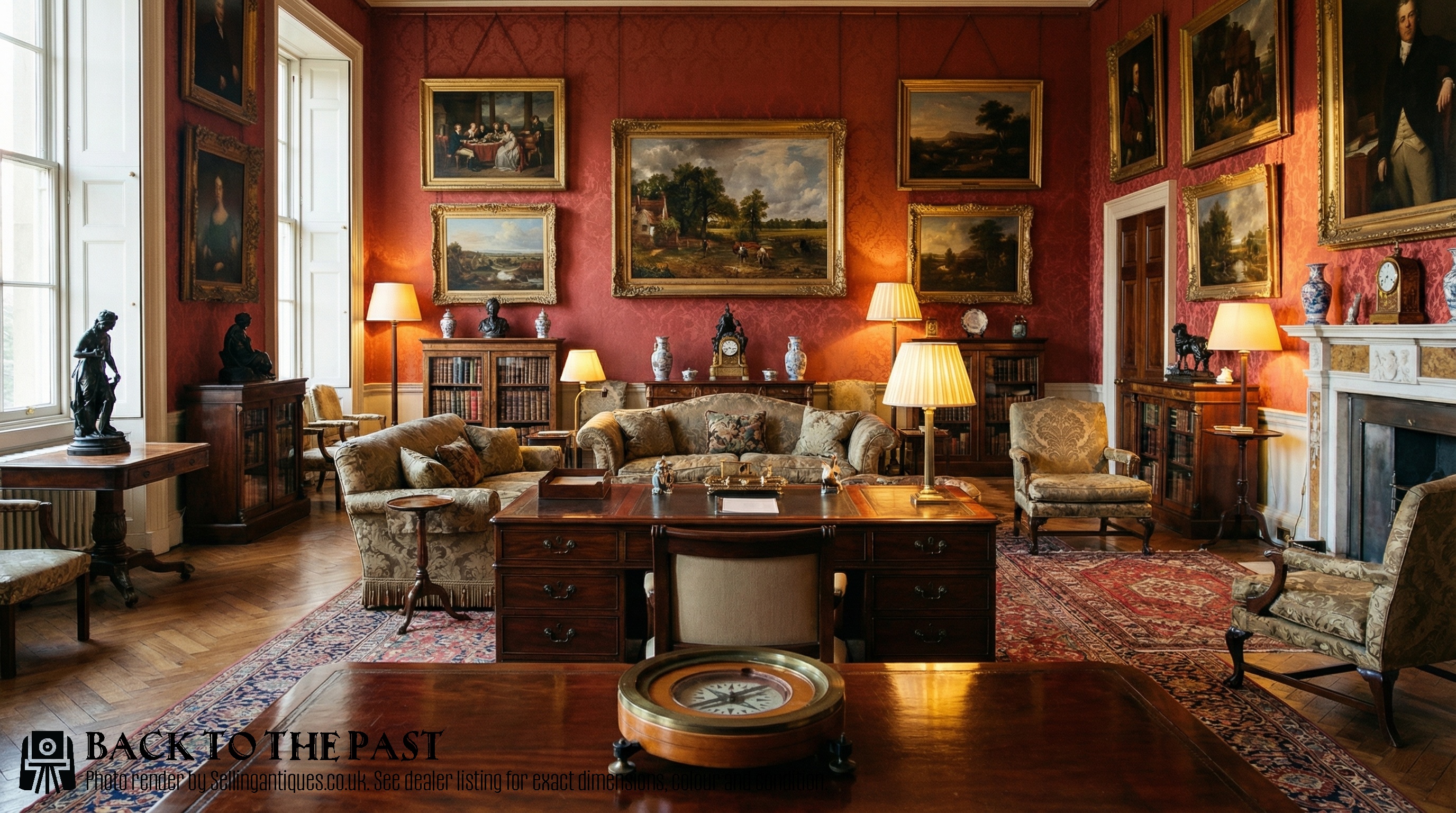
Antique Navigational Instrument
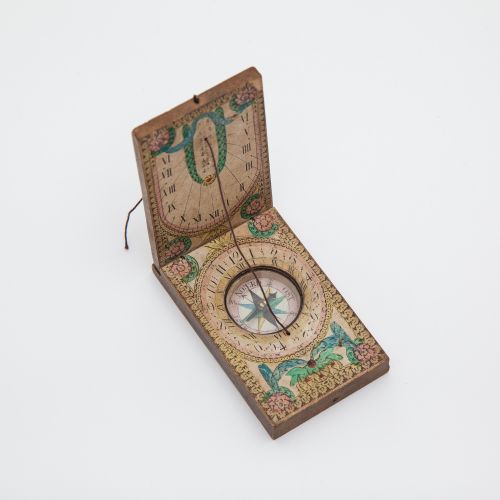
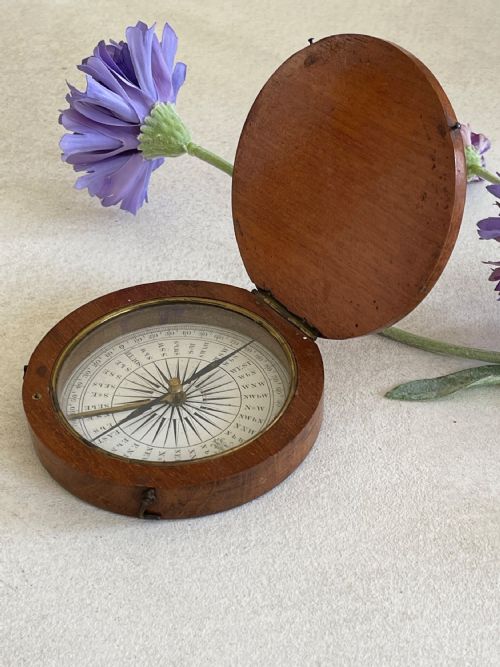
When you search for an antique navigational instrument, you encounter tools designed to measure time, latitude, and direction across land and sea. These pieces include pocket compasses, marine chronometers, telescopes, and sundials produced across multiple centuries.
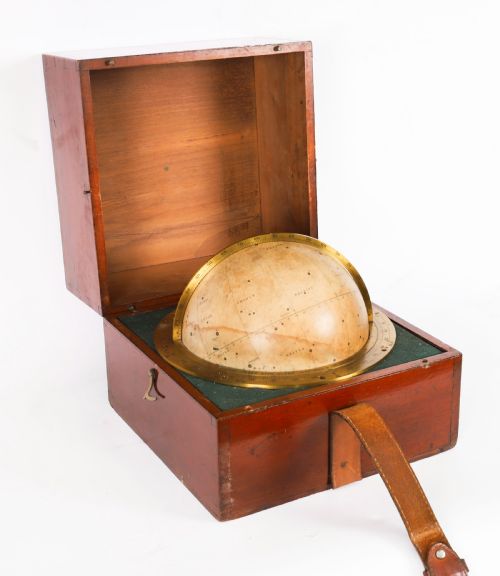
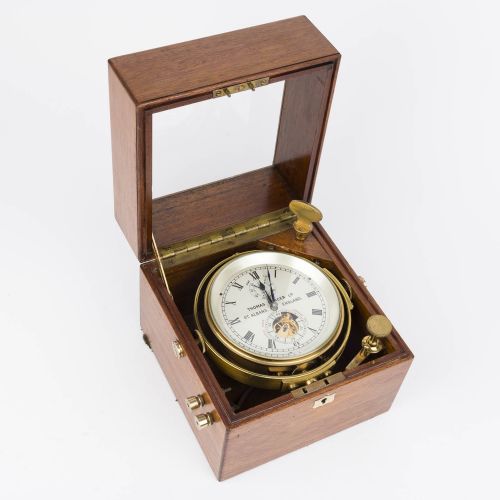
You are most likely to meet Victorian brass instruments and nineteenth-century portable pocket dials on this page. Examples range from simple travelling compasses to complex celestial globes and marine chronometers housed in fitted wooden boxes.
The objects stem from distinct periods spanning the eighteenth, nineteenth, and mid-twentieth centuries. Makers constructed them for explorers, naval officers, and surveyors who relied on precise mechanical calculation.
How they were made
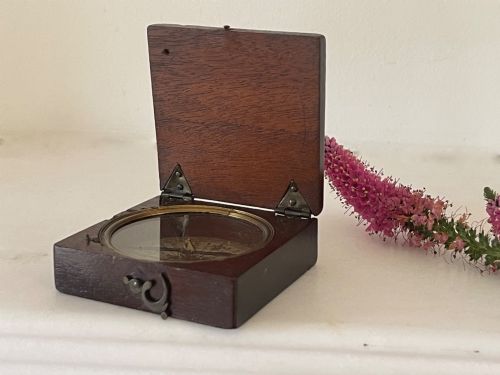
Craftsmen shaped these instruments primarily from polished brass, silvered metal, and glass, pairing them with robust timber cases in mahogany, ebony, and general wood. Paper scales and printed dial faces provided legible readings for users operating in variable light conditions.
Makers utilised specialised techniques to engrave delicate compass roses, graduate silvered metal circles, and assemble multi-draw extending telescope tubes. Protective housings in leather and polished timber ensured these sensitive mechanisms survived damp conditions at sea.
Early twentieth-century typhoon barometers allowed sailors to read the mood of the storm before the wind even decided to shift.
What varies in quality
Quality rests upon the crispness of the engraved markings, the smoothness of the mechanical movements, and the integrity of the original optics or glass dials. Superior examples display precise hand-cut lettering and tight joinery in their fitted wooden cases.
Pieces signed by known makers and opticians generally reflect higher standards of workshop execution and optical performance. The preservation of original mounting hardware and case components directly influences the integrity of the instrument.
Andreas Vogler·Thomas Mercer·Litherland Davies·Samuel Porter·Voigtländer and Sohn·W and T Gilbert·Henri de Magnac·Elliott Bros·W H Harling·G Adams·John Lilley and Son·John Newman·Barker and Son
The Antique Navigational Instrument Glossary
- Chronometer
- A highly accurate timekeeper designed to determine longitude at sea by maintaining precise time despite motion and temperature changes.
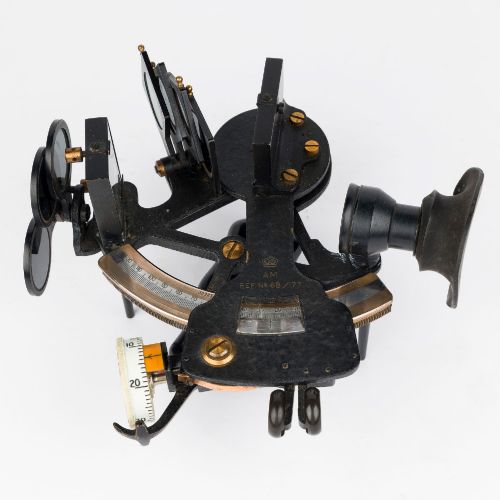
- Sextant
- An instrument used to measure the angle between an astronomical object and the horizon for the purpose of celestial navigation.
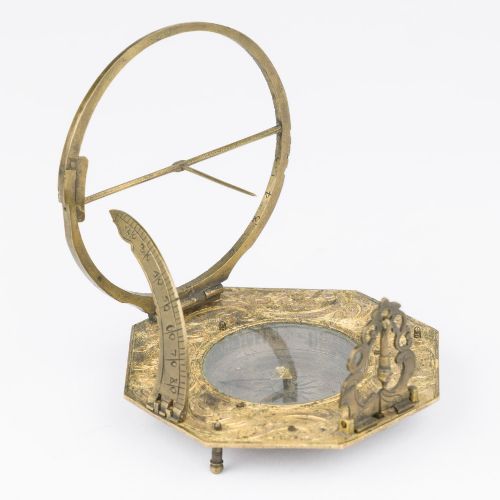
- Sundial
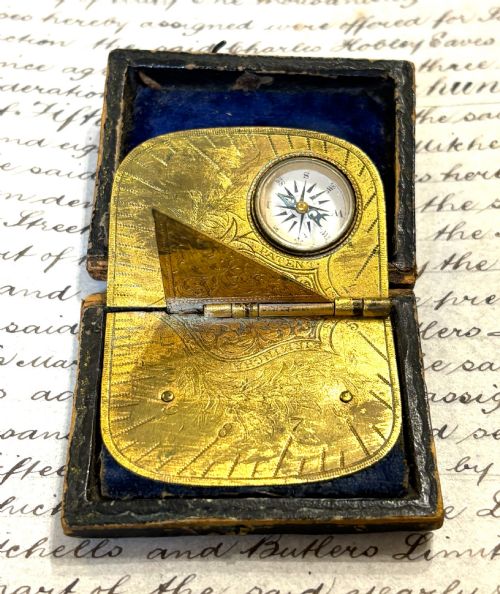
- A device that tells the time of day by the apparent position of the Sun in the sky, often constructed in portable diptych or folding pocket forms.
- Clinometer
- A tool used for measuring angles of slope, elevation, or depression with respect to gravity.
- Celestial globe
- A spherical map of the starry sky used to identify constellations and calculate astronomical positions.
Antique Navigational Instrument: Frequently Asked Questions
How do I read a pocket sundial?
A pocket sundial relies on an adjustable gnomon that casts a shadow across a graduated paper or brass scale to indicate local apparent time.
To use one correctly, you must align the instrument to true north and tilt the gnomon to match the latitude of your specific location.
What is a marine chronometer used for?
A marine chronometer served as a portable time standard aboard ships, allowing navigators to calculate exact longitude by comparing home port time to local solar time.
These clocks sat within gimballed brass rings inside wooden boxes to keep the movement level despite the rolling motion of the vessel.
How do I care for brass instruments?
Brass instruments require a stable environment away from high humidity and direct sunlight to prevent the metal from tarnishing or wood cases from warping.
Avoid using harsh chemical polishes that can wear away delicate original engravings and historic patination accumulated over the decades.
Were these instruments made for land or sea?
Some instruments were built specifically for maritime use aboard ships, whilst others were designed for land surveyors, military officers, and astronomical observers.
Maritime pieces often featured gimbals and waterproof housing, whereas surveying instruments prioritised tripods, leveling bubbles, and precision sighting arms.