

Antique Brass Instrument
An antique brass instrument brings tangible scientific history into a room, offering functional engineering crafted from gleaming metal and polished timber.
Antique Brass Instrument
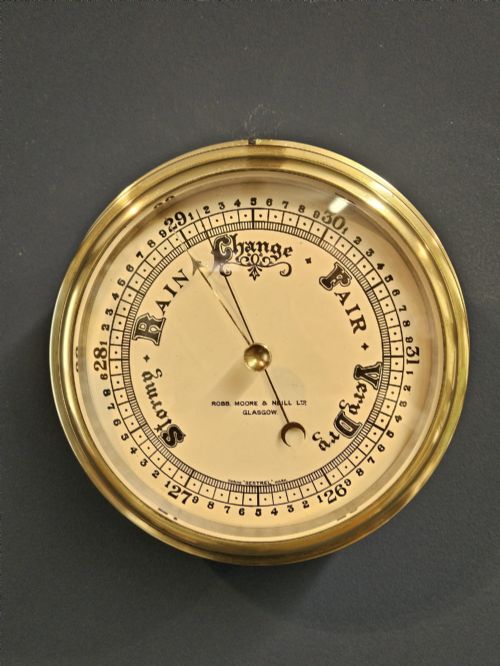
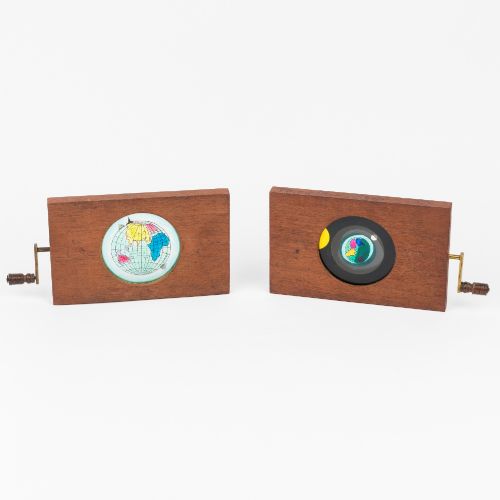
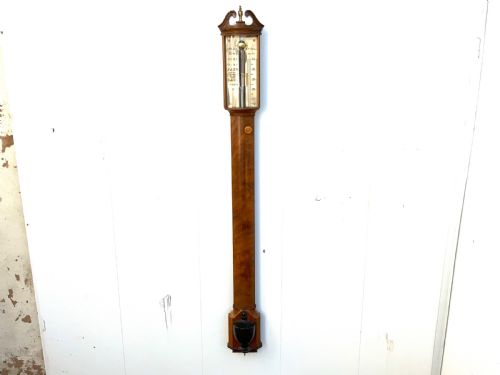
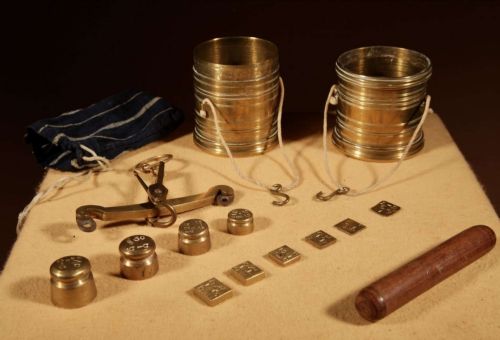
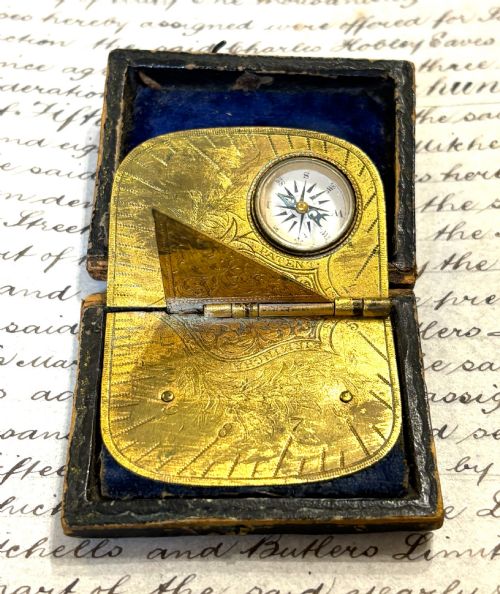
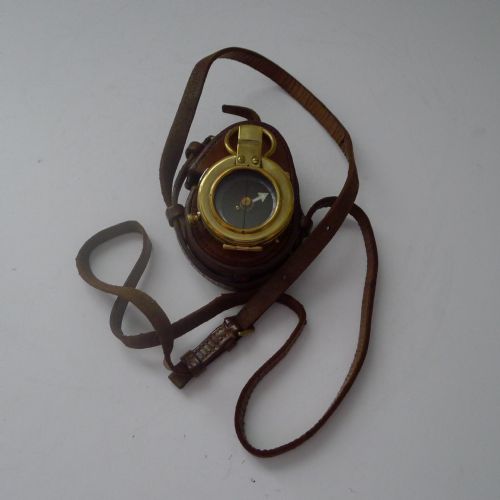
When you search for an antique brass instrument, you encounter a diverse array of scientific, navigational, and surveying devices spanning several centuries. The selection ranges from domestic weather-recording barographs and pocket sundials to professional military compasses, telescopes, and theodolites.
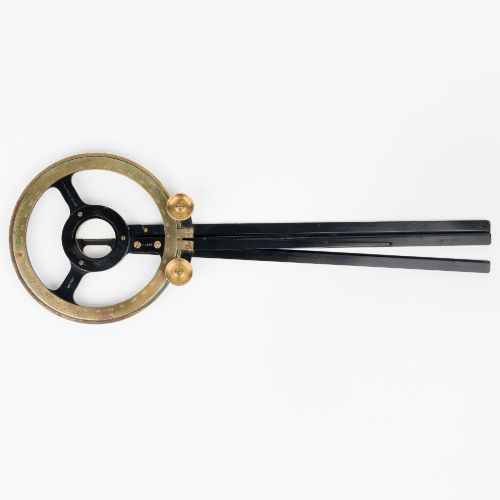
Victorian and Edwardian iterations dominate the current offerings, often combining cast or turned brass housings with fitted mahogany or oak cases. Maritime and optical tools such as station pointers, microscopes, and library telescopes also appear frequently.
The objects stem from both British and continental workshops, reflecting the rigorous standards of historical scientific manufacturing. Each piece preserves a specific functional purpose, shifting from domestic meteorological monitoring to field exploration and military deployment.
How they were made
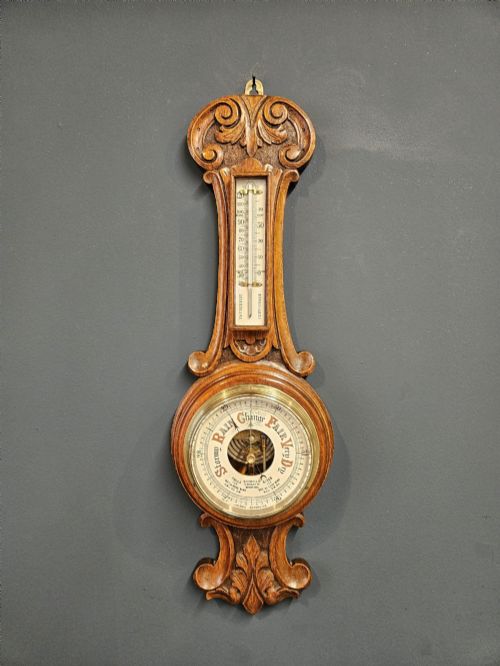
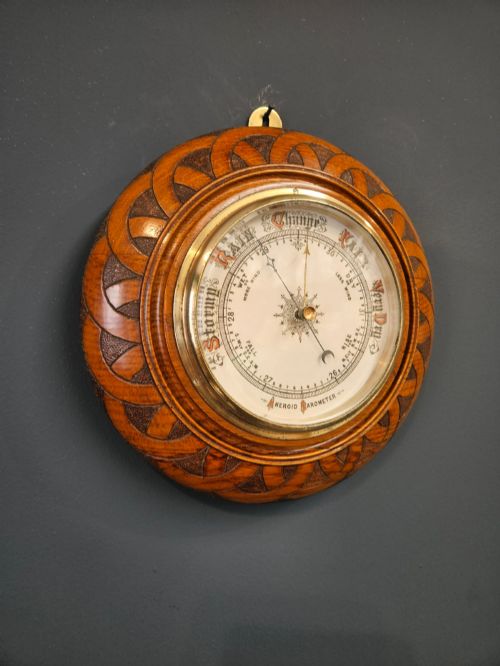
Makers utilised cast and sheet brass for structural components, dials, and protective bezels, often finishing the metal with fine lacquering or burnishing. Woodwork forms an integral part of many items, with seasoned mahogany, satinwood, and oak fashioned into dovetailed storage cases and barometer bodies.
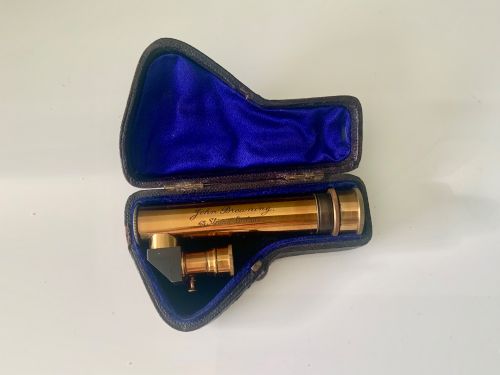
Optical elements relied on hand-ground glass lenses fitted within sliding brass tubes, while delicate interior movements incorporated steel pivots and paper or porcelain scale dials. Leather, paper, and bevelled glass frequently appeared as supplementary materials for protective linings and instrument covers.
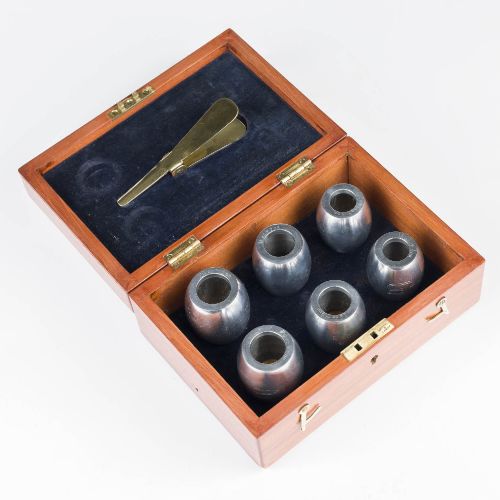
Egg graders made a surprise entrance into historical laboratories, bringing precision agriculture to the workbench.
What varies in quality
The calibre of an instrument rests upon the crispness of its engraving, the precision of its mechanical fit, and the completeness of its original components. Examples bearing clearly signed maker details on the brass plates or silvered dials command higher regard than unsigned workshop output.
The survival of original fitted wooden cabinetry, intact bevelled glass, and associated paperwork or calibration charts significantly elevates an item's standing. Finer pieces demonstrate superior metallurgical casting and fluid, uncompromised movement in gears, compass needles, and folding struts.
E.R. Watts & Son Ltd·Nairne & Blunt·John Browning·De Grave Short & Co·R & J Beck Ltd
The Antique Brass Instrument Glossary
- Theodolite
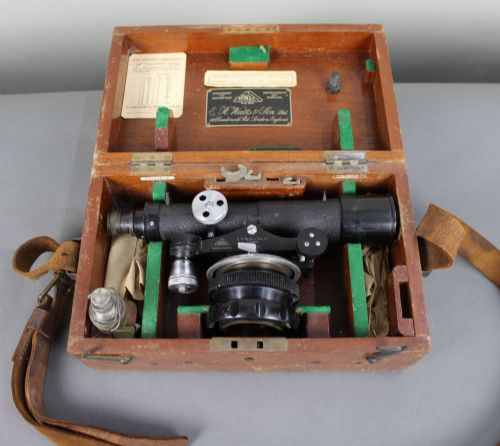
- A precision surveying instrument used for measuring horizontal and vertical angles. It typically rests on a heavy brass base and incorporates telescopic sighting tubes.
- Barograph
- A self-recording meteorological instrument that plots barometric pressure over time on a paper chart. These devices usually feature a drum mechanism housed within a glazed oak or mahogany case.
- Sextant
- A navigational instrument used to measure the angle between an astronomical object and the horizon. Historical examples often incorporate brass frames and index arms with finely graduated silver scales.
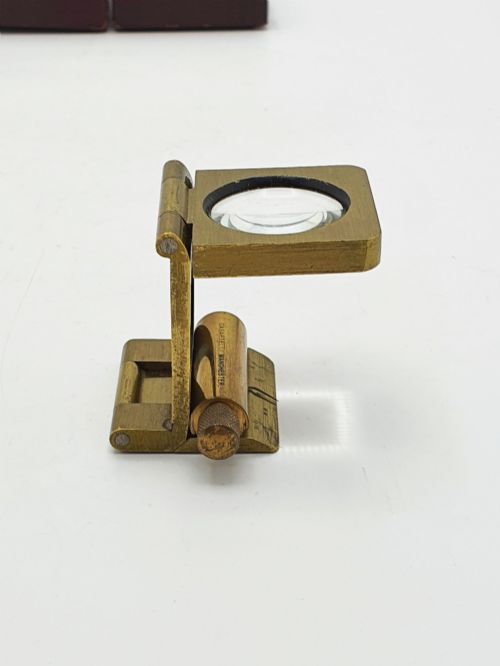
- Linen tester
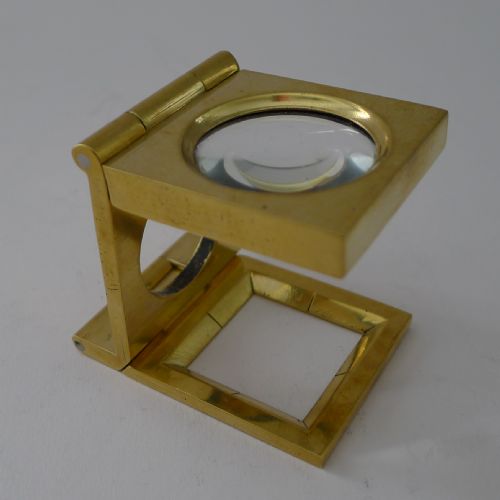
- A small folding magnifier used in the textile trade to count threads within a given square measure. These pocket tools generally employ a brass frame that collapses flat when not in use.
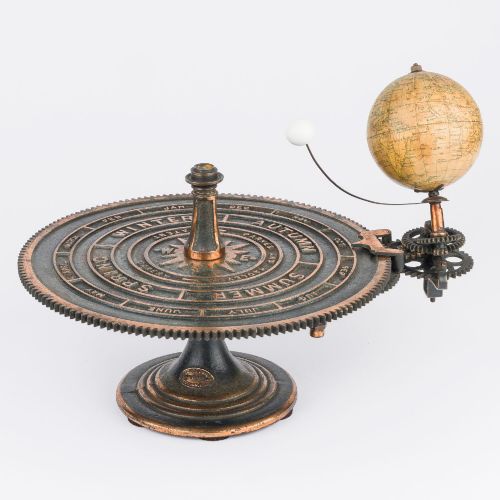
- Orrery
- A mechanical model of the solar system illustrating the relative positions and motions of the planets. These complex educational pieces combine brass gearwork with small spheres representing celestial bodies.
Antique Brass Instrument: Frequently Asked Questions
How do I date an antique brass instrument?
Dating relies primarily on engraved signatures, patent dates, and stylistic shifts in typography and casing design. Victorian and Edwardian examples often feature stamped maker marks and standardised components that aid chronological placement.
Consulting historical directories for named makers provides a tighter production window. Furthermore, changes in manufacturing techniques, such as the transition from hand-cut to machine-tooled gears, offer clues to an instrument's era.
How were these instruments used historically?
These devices fulfilled precise scientific and commercial functions such as mapping terrain, forecasting weather, and measuring optical magnification. Surveyors, mariners, and scientists relied upon them for daily field calculations and data collection.
Domestic versions like barometers and thermometers helped households monitor atmospheric conditions indoors. Meanwhile, military officers utilised portable compasses and periscopes during active service.
How do I care for antique brass and wood?
Preserving these objects involves maintaining stable indoor humidity and shielding surfaces from direct sunlight. The timber cases benefit from occasional gentle waxing, while the brass metalwork requires minimal intervention to retain its aged patina.
Harsh chemical polishes should be avoided because they strip the historical surface oxidation from the brass. Dusting with a soft, dry cloth is usually sufficient for routine maintenance.