





Vintage Pocket Compass
A vintage pocket compass is a portable navigational instrument designed to guide the traveller, combining functional brass and glass with historical utility.
Understanding the Vintage Pocket Compass
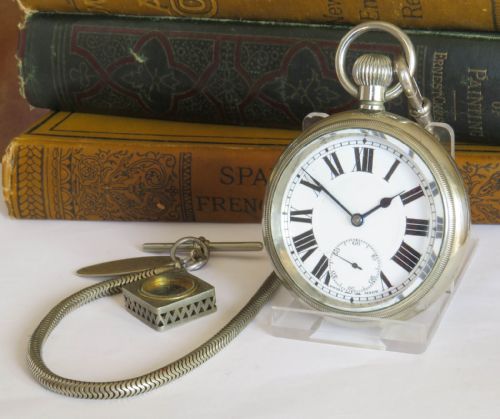
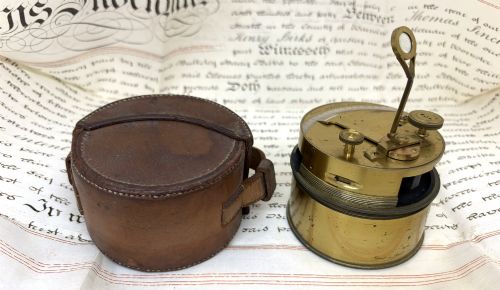
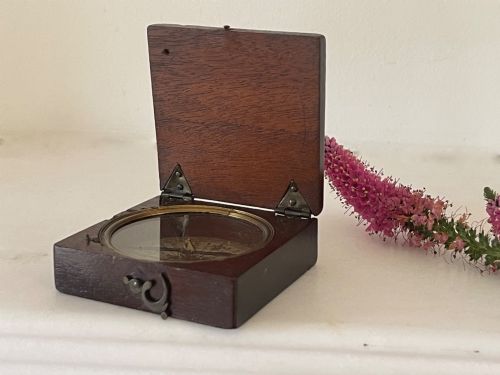
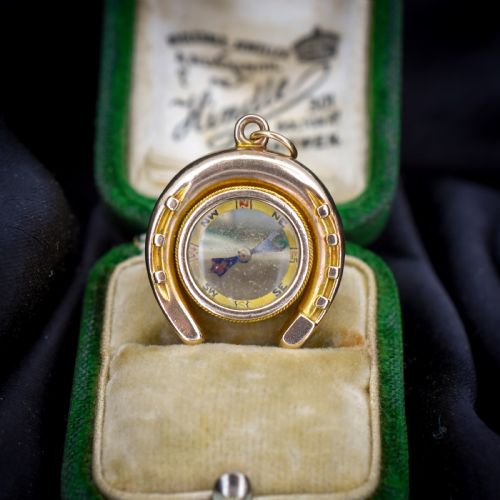
When you search for a vintage pocket compass, you encounter portable navigational instruments and scientific pieces spanning several centuries of craftsmanship. These objects range from military issues to civilian pocket watches containing integrated directional markers.
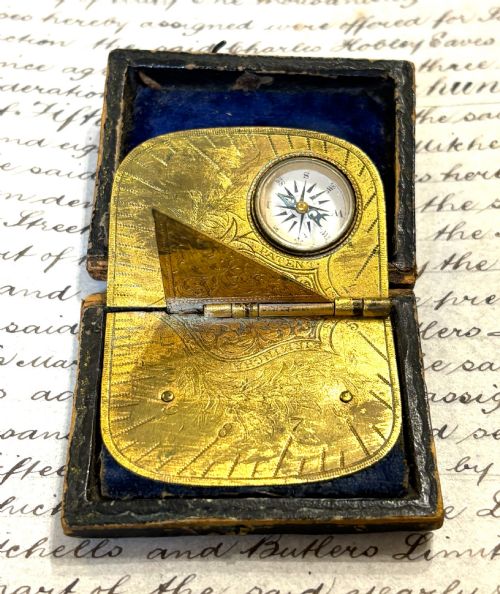
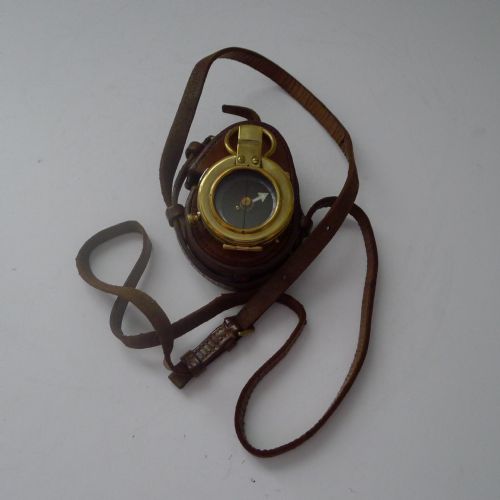
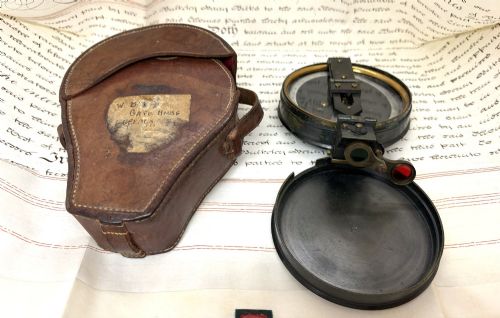
The pieces on this page draw from periods including the Georgian era, Victorian times, Edwardian military issues, and the First World War. You will find items styled as folding pocket sundials, military patterns, and explorer pieces.
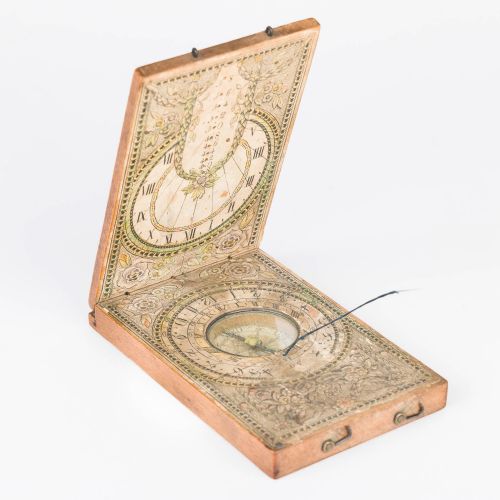
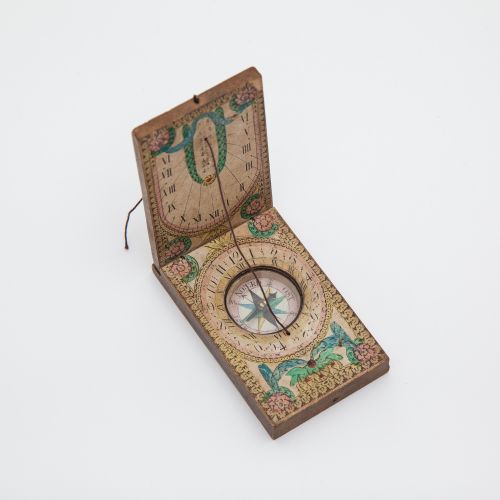
Forms vary from simple brass casings to complex diptych dials and combinations with pocket watches and magnifying glasses. Each piece reflects the navigation needs of its specific historical moment.
Materials and Construction
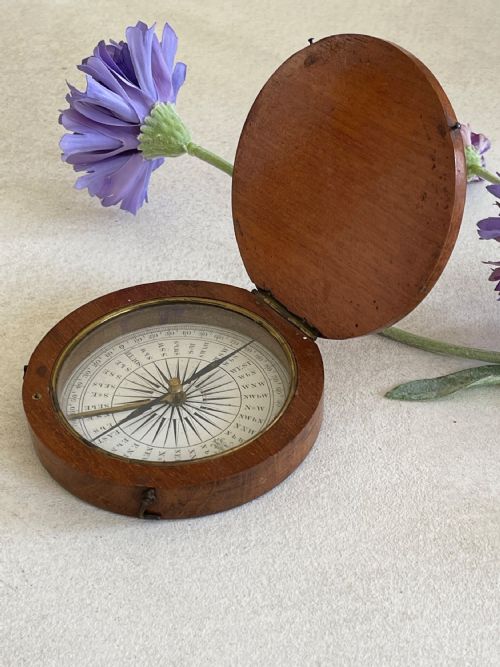
Makers utilised durable metals like brass and nickel for the protective outer cases, housing delicate paper dial faces beneath clear glass covers. These materials ensured the instruments could withstand field use while maintaining legibility.
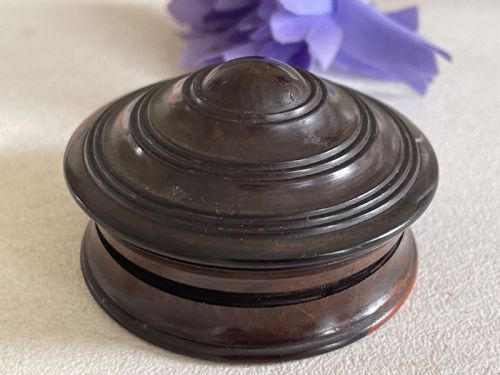
Interior components often incorporated velvet, leather, or leatherette linings within fitted wooden or metal carrying cases. Such protective housings preserved the delicate balance and sighting mechanisms of the compasses during travel.
Retail Price Guide 2026
Typical UK retail prices for vintage pocket compass, calculated from the Sellingantiques database of over a million retail prices indexed since 2003. This retail price guide relies exclusively on Sellingantiques data; no external sources or auction records are used, so the figures do not describe the wider market.
Some compasses doubled as pocket watch chains, ensuring a gentleman could check both his heart rate and his heading simultaneously.
Assessing Quality and Merit
Quality in these instruments rests upon the precision of the engraved paper dials and the integrity of the brass housings. Finer examples display crisp lettering and robust hinge mechanisms that endure through decades of handling.
The distinction between standard civilian items and military-issued gear lies in the rigorous standardisation of the markings. Pieces bearing specific maker signatures or military patterns command greater attention from those studying scientific history.
French Ltd
The Vintage Pocket Compass Glossary
- Butterfield Type
- A specific form of folding pocket sundial featuring a bird gnomon and a central compass. This style originated in seventeenth-century France and remained popular among travellers for generations.
- Diptych-dial
- A portable sundial comprising two hinged leaves that fold flat for carriage. When opened and aligned with the included compass, it tells local time and direction simultaneously.
- Verner's Pattern
- A standard military compass design utilised by British Army officers during the First World War. These robust instruments were engineered for reliable field navigation under difficult conditions.
- Gnomon
- The projecting piece on a sundial that casts the shadow to indicate time. On portable instruments, this element often folds down to fit inside the case.
Frequently Asked Questions
How do these pocket compasses work?
These instruments rely on a magnetised needle suspended on a pivot point within a glass-topped housing, aligning naturally with the Earth's magnetic field. Portable sundials included alongside the needle required manual adjustment to true north.
Users referenced the paper dial underneath the needle to read directional bearings during travel. Many historical examples combined this directional function with timekeeping devices.
What periods do these instruments represent?
The available pieces span from the Georgian era through the Victorian and Edwardian periods, extending into First World War military issues and Art Deco designs. Each period introduced distinct casing materials and dial aesthetics.
Nineteenth-century examples often lean towards brass and polished wood, while military pieces from the twentieth century prioritized nickel and utilitarian finishes.
How should I store a vintage compass?
Keep the instrument in a dry environment away from strong magnetic fields that could destabilize the needle's pivot over time. Storing them in their original fitted leatherette or wooden cases prevents surface scratches.
Avoid exposing antique glass and paper dials to direct sunlight for extended periods to preserve the original printed details.
Are military compasses different from civilian ones?
Military pieces such as Verner's pattern items were built to strict government specifications for durability in the field. They typically feature robust nickel or brass cases designed for active service.
Civilian versions, including portable sundials and explorer instruments, often prioritized decorative appeal alongside practical navigation.