


First World War Militaria
First world war militaria encompasses helmets, caps, medals, compasses, and trench art shaped by conflict, offering tangible connections to early twentieth-century history.
First World War Militaria
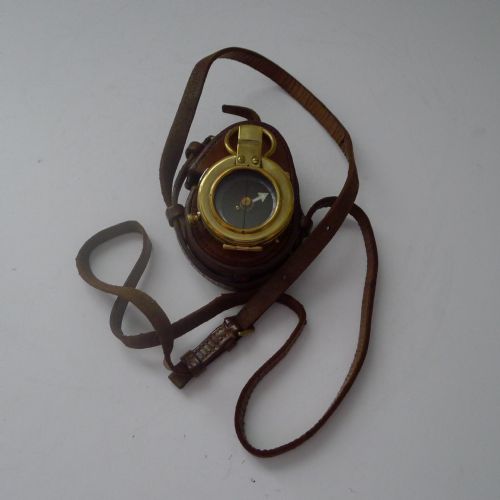
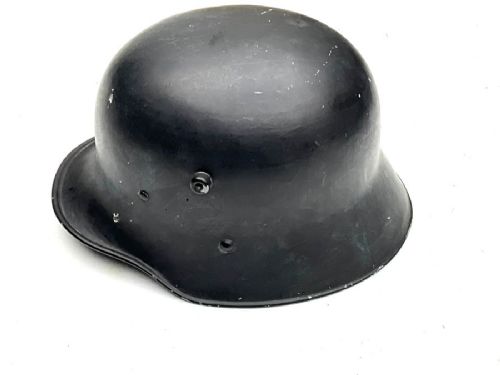
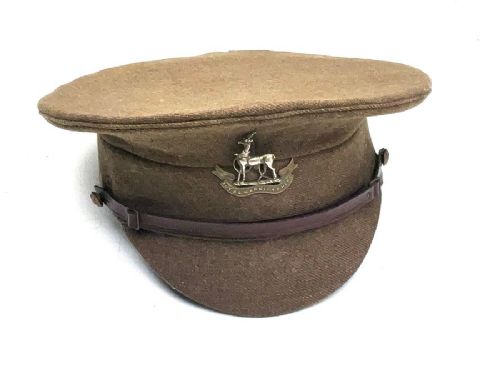
First world war militaria comprises military headgear, equipment, and personal items originating from the early twentieth century. Buyers seeking first world war militaria frequently encounter German helmets styled in imperial designs, alongside British officers' compasses and soldiers' hats.
The objects span military helmets, caps, medals, scientific instruments, and trench art such as umbrella stands and carved smoking pipes. Most examples date from the nineteen tens, reflecting the material culture of the global conflict.
How they were made
Makers utilised robust materials including brass, steel, leather, boiled leather, glass, paint, wood, horn, and wool to construct functional military gear. Helmets and shell carriers relied on heavy metal and stiffened leather to withstand field conditions.
Scientific instruments and personal items combined machined brass with glass and painted components. Trench art utilised available materials like carved wood and horn for utilitarian pieces and propaganda items.
Materials across the selection include brass, leather, boiled leather, glass, steel, paint, wood, horn, and wool.
What varies in quality
Quality depends on the preservation of original components, such as painted finishes on metal helmets and the crispness of maker markings on brass compasses. Pieces retaining their original materials and structure stand apart from heavily altered examples.
The complexity of manufacture also divides standard equipment from bespoke officer items and detailed trench art carvings. Original medals and verified military headgear demonstrate the distinct standards of period production.
French Ltd.
The First World War Militaria Glossary
- Trench art
- Decorative or utilitarian items made by soldiers, prisoners of war, or civilians from war scrap and materials. These objects often incorporate carved wood, metal casings, and horn.
- Verner's pattern
- A standard design of military compass utilised by British officers during the conflict. These brass scientific instruments were produced by firms such as French Ltd.
- Boiled leather
- A heavy leather material treated to become rigid and water-resistant. It was utilised for durable military equipment like shell carriers.
- Imperial German
- A style and period designation reflecting the military output of Germany prior to the end of the monarchy. Helmets from this grouping feature distinct regional and branch insignia.
First World War Militaria: Frequently Asked Questions
What items are included in first world war militaria?
First world war militaria covers military helmets, caps, medals, and scientific instruments like compasses. It also includes personal items and trench art such as smoking pipes and umbrella stands.
Most pieces date from the early twentieth century and originate from British and Imperial German military contexts.
How are helmets and headgear categorised?
Headgear is categorised by national origin, such as British soldiers' hats or Imperial German officers' helmets. The style often reflects specific military branches and the 1910 period.
Materials like metal, boiled leather, and wool assist in identifying the type and intended rank of the wearer.
What is trench art?
Trench art describes items fashioned by combatants and civilians from discarded military material and local resources. Pieces include carved wood and horn propaganda pipes alongside converted shell cases.
These objects combine personal craftsmanship with the prevailing sentiments of the conflict.