


Antique Surveying Instrument
These antique surveying instruments are precision brass and boxwood tools built to map the world, prized by collectors for their intricate engineering.
What an antique surveying instrument is
When you search for an antique surveying instrument, you encounter specialised scientific tools designed for land measurement and navigation. These pieces span the Georgian, William IV, and Victorian periods, reflecting rapid advances in cartography and field engineering.
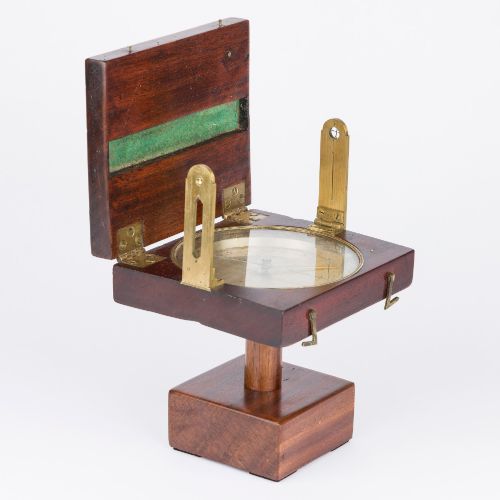
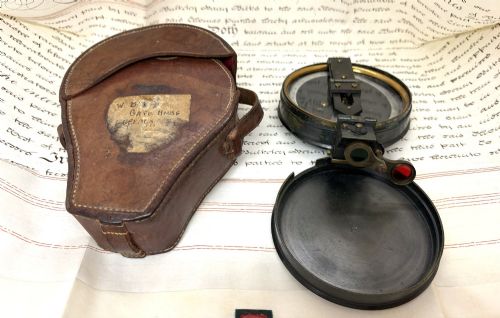
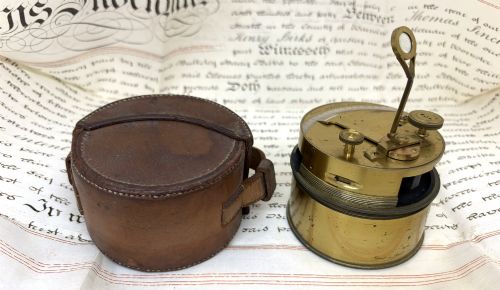
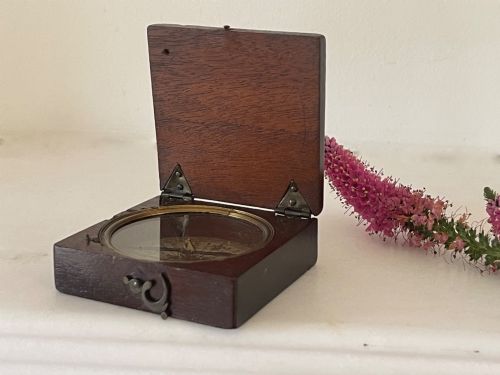
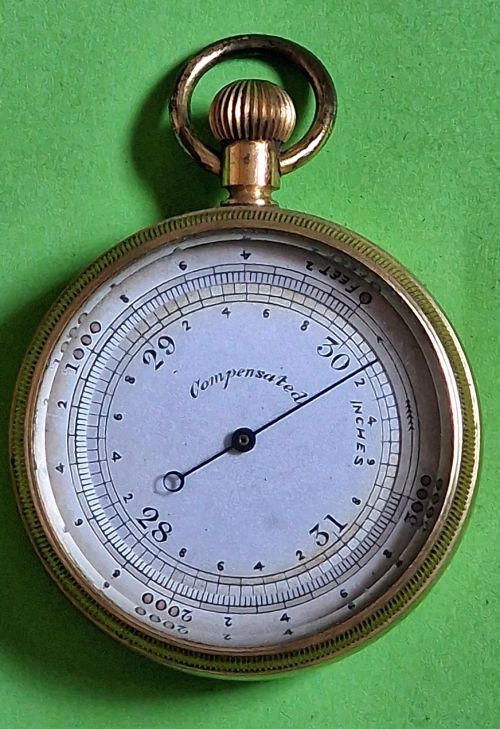
The versions most commonly found here include pocket-sized folding boxwood rules with built-in clinometers, cased miniature altazimuth theodolites, and substantial brass mine's compasses. Each form served a distinct role in the field, from underground mineral mapping to open-air triangulation.
Origins range from regional English makers in Birmingham and Devonport to prominent London workshops. They capture a period when mechanical precision was entirely manual and optical glass was hand-set.
How they were made
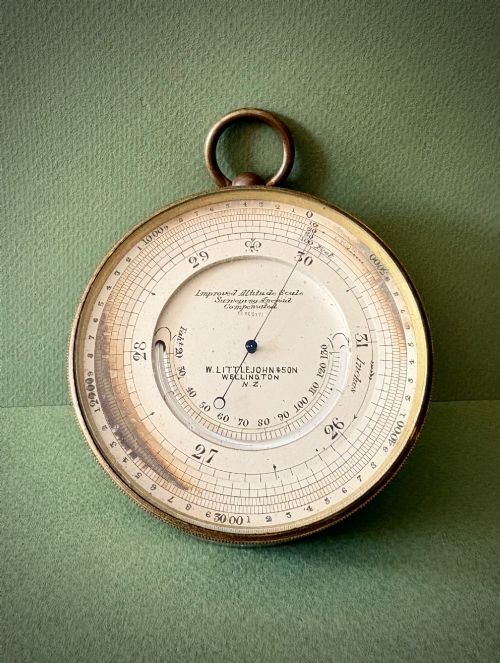
Makers constructed these instruments primarily from heavy polished brass, selected for its durability and dimensional stability in variable weather conditions. Components often incorporated silvered metal dials for clear, glare-free reading of degrees and minutes.
Wood elements utilised dense boxwood for folding rules and rich mahogany for protective transit cases fitted with brass hinges and hooks. Delicate internal optics combined precision glass lenses with fine hairlines for accurate sighting.
Retail Price Guide 2026
Typical UK retail prices for surveying instrument, calculated from the Sellingantiques database of over a million retail prices indexed since 2003. This retail price guide relies exclusively on Sellingantiques data; no external sources or auction records are used, so the figures do not describe the wider market.
A Georgian mine's compass brings a faint subterranean dampness to mind, though it probably spent its life safely in a mahogany box.
What varies in quality
The division between standard field tools and exceptional examples rests on the fineness of the engraving and the complexity of the movement. Signed pieces by established makers demonstrate superior metal-casting and smoother vernier adjustments.
Completeness dictates the standing of a piece within the range, particularly the survival of original mahogany fitted boxes and matching sighting attachments. The crispness of the silvered dial divisions and the clarity of the optical glass further separate utilitarian gear from masterwork equipment.
Elliott Bros. of London·Cox of Devonport·R. Field & Son·Edwardian Thornton
The Antique Surveying Instrument Glossary
- Theodolite
- A precision instrument for measuring horizontal and vertical angles, mounted on a base or tripod. It remains the quintessential tool of the historical surveyor.
- Clinometer
- A tool used for measuring the angle of slope or tilt relative to gravity. These often fold compactly into boxwood bodies for field transport.
- Vernier
- A secondary sliding scale that allows readings to a fraction of the primary graduated scale. This mechanical device enables high precision in compact spaces.
- Altazimuth
- An instrument design providing movement in both altitude and azimuth coordinates. It allows simultaneous measurement of vertical and horizontal angles.
- Mine's compass
- A specialised directional tool adapted for subterranean surveying. These rugged instruments often feature heavy brass housings to withstand harsh conditions.
Frequently Asked Questions
What is an antique surveying instrument used for?
These instruments were utilised by engineers and cartographers to measure angles, distances, and elevations for map-making and construction.
Today, they serve primarily as decorative desktop objects and collectible examples of historical scientific craftsmanship.
How do I date an old theodolite?
Dating relies on maker signatures, material choices, and stylistic cues from periods such as the Georgian era or Victorian scientific design.
Engraved typography and the complexity of the brass castings also offer clear chronological markers for researchers.
Are these surveying tools still accurate today?
While many retain their mechanical movement and functional spirit, wear over the centuries usually renders them unsuitable for modern professional land measurement.
Collectors appreciate them for their historical ingenuity rather than daily field utility.
What woods are found on these instruments?
Makers selected dense boxwood for folding rules and clinometers because it resists warping during outdoor use.
Mahogany appeared frequently for sturdy fitted transport cases designed to protect delicate brass optics in transit.