


Antique Maritime Instrument
These brass and mahogany antique maritime instrument pieces offer precise navigation and stellar observation tools built for serious seafaring and scientific discovery.
What these pieces are
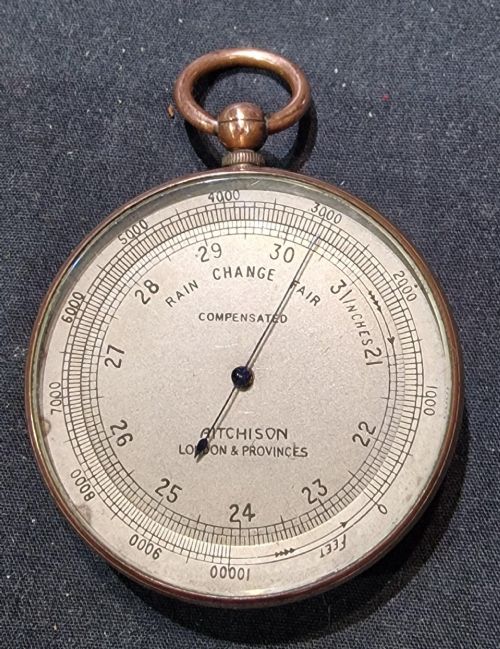
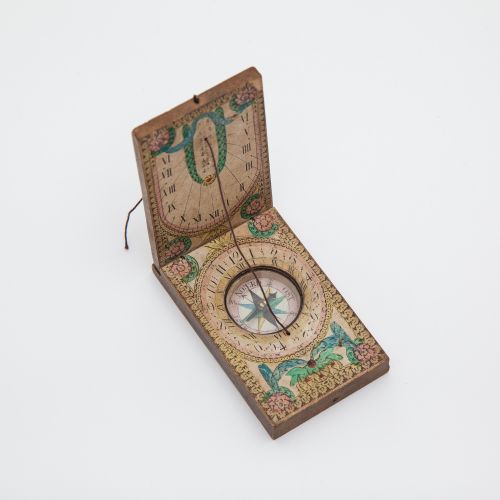
An antique maritime instrument represents the height of historical navigation, science, and exploration equipment used at sea and in the air. These objects span the nineteenth century and the mid-twentieth century, capturing periods of intense scientific advancement.
How they were made
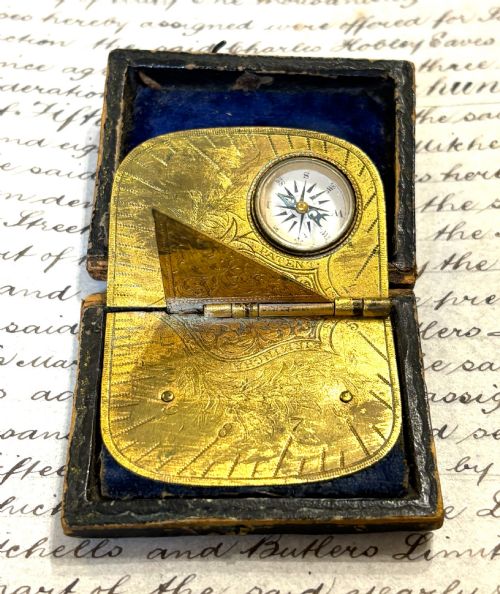
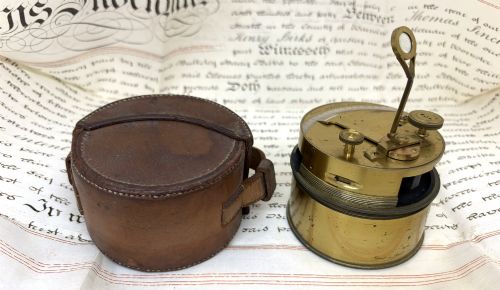
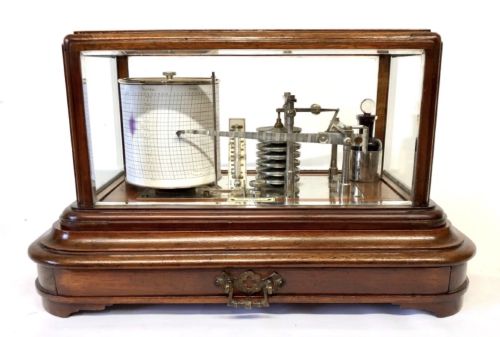
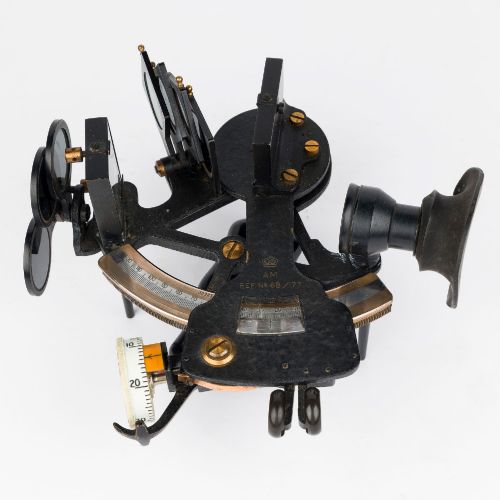
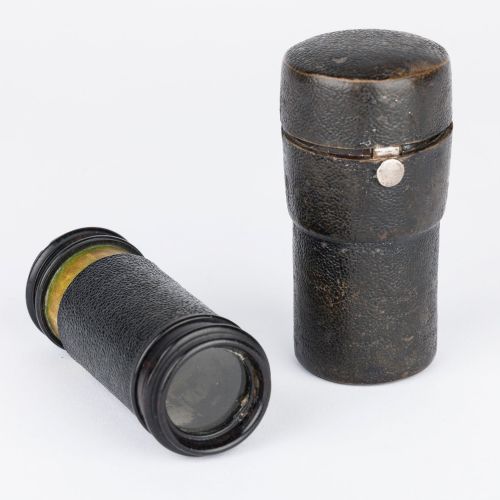
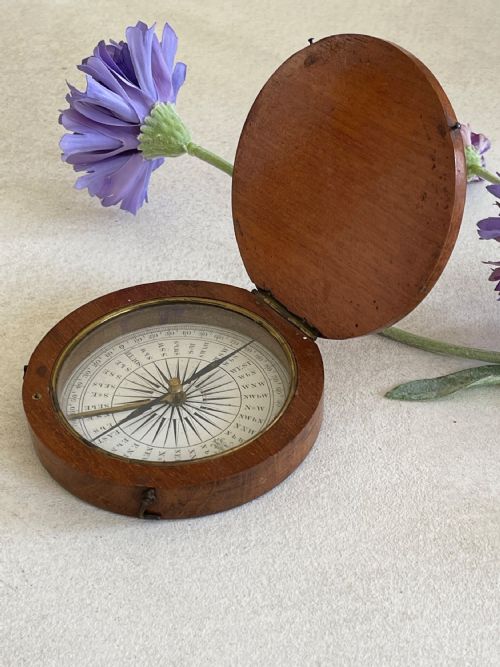
Maker workshops utilised durable brass and heavy cast iron to construct robust frames capable of withstanding harsh shipboard environments and constant movement. Delicate components incorporate fitted glass lenses, printed paper scales, and tightly calibrated metal gears.
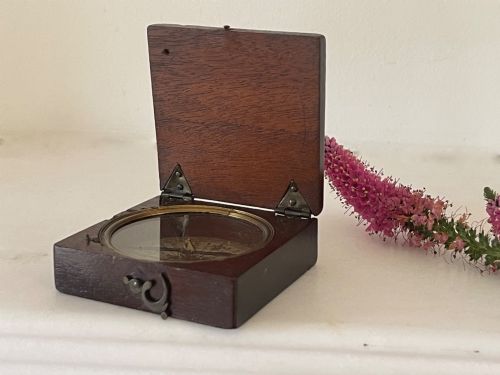
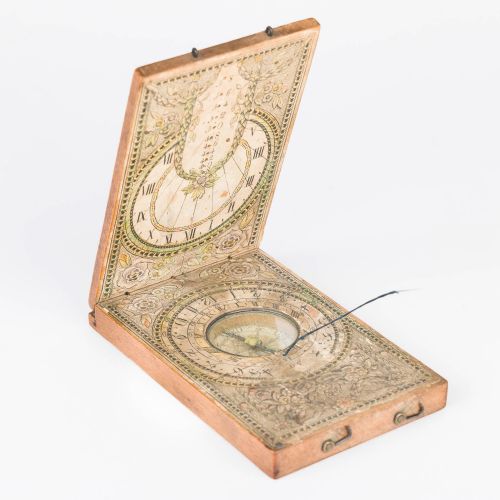
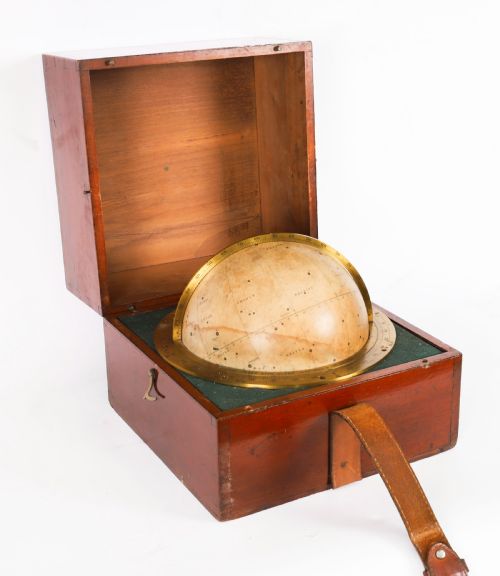
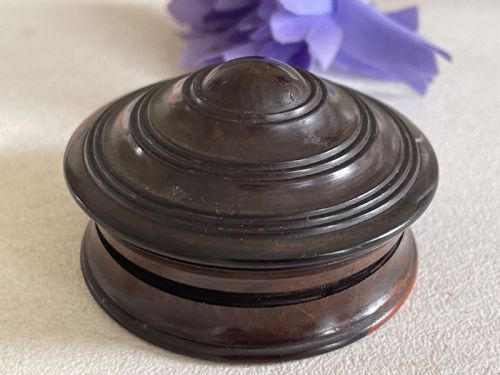
Casing and mounting involved dense hardwoods like mahogany, shaped into fitted boxes or desk ornaments to protect sensitive scientific instruments. Each piece combines heavy metal casting with fine mechanical assembly by hand.
Retail Price Guide 2026
Typical UK retail prices for maritime instrument, calculated from the Sellingantiques database of over a million retail prices indexed since 2003. This retail price guide relies exclusively on Sellingantiques data; no external sources or auction records are used, so the figures do not describe the wider market.
Listings feature scientific instruments spanning the nineteenth century, the Victorian era, and nineteen forty WWII aviation.
What varies in quality
The distinction between standard production and exceptional quality lies in the precision of the engraving, the clarity of the optical glass, and the mechanical smoothness of the adjustments. Signed pieces by established makers carry greater documentary weight than unsigned equivalents.
Survival of original housing, such as fitted mahogany cases and intact paper compass cards or celestial charts, elevates the integrity of an object. The weight of the brass and the crispness of the maker inscriptions reveal the original ambition of the workshop.
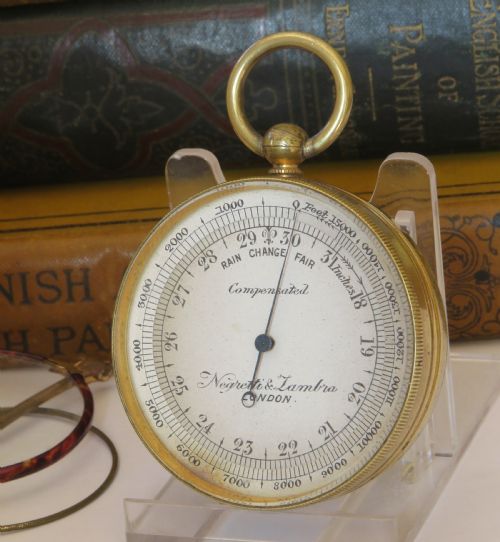
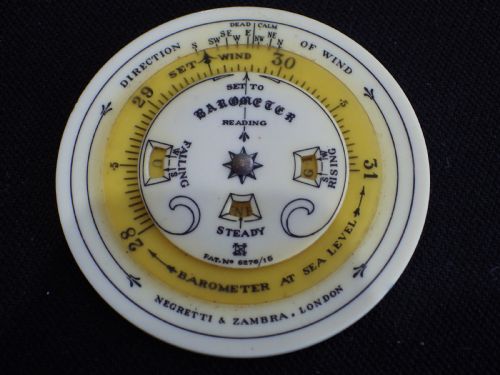
Henri de Magnac·Negretti and Zambra·Dollond·Cox of Devonport
The Antique Maritime Instrument Glossary
- Theodolite
- A precision instrument used for measuring horizontal and vertical angles in surveying and navigation. These devices often sit on detailed brass legs or within fitted wooden cases.
- Sextant
- An instrument used to measure the angle between two visible objects, primarily the sun or stars and the horizon, to determine latitude and longitude. Navigators relied on these for celestial positioning.
- Celestia globe
- A spherical map of the night sky displaying stars and constellations relative to coordinate lines. These scientific spheres assist in plotting positions using the stars.
- Bulkhead barometer
- An atmospheric pressure measuring device mounted securely to the wall of a ship cabin. These instruments forecast weather changes while at sea.
Frequently Asked Questions
How do I date an instrument?
Dating relies on maker signatures, material choices, and stylistic cues recorded within the nineteenth and twentieth centuries.
Signed pieces often link directly to known workshops, while wartime aviation items point toward specific mid-century manufacturing dates.
Were these items used at sea?
Many instruments served aboard naval vessels, merchant ships, and flying boats to maintain course and forecast weather.
Robust brass and mahogany construction ensured survival in demanding maritime and aerial environments.
What materials are most common?
Brass and mahogany appear frequently across compasses, telescopes, barometers, and sextants.
Additional materials include glass optics, printed paper scales, cast iron frames, and rubber elements.