



Maritime Navigational Instrument
These maritime navigational instrument pieces are practical working gear from past centuries, collected for their precision engineering and historic maritime utility.
Identifying maritime navigational instrument examples
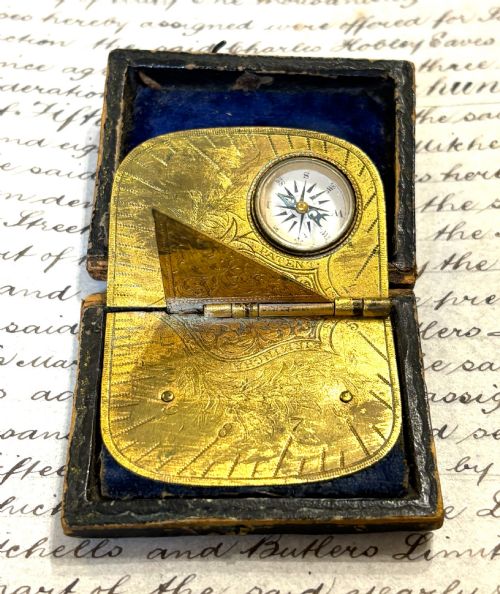
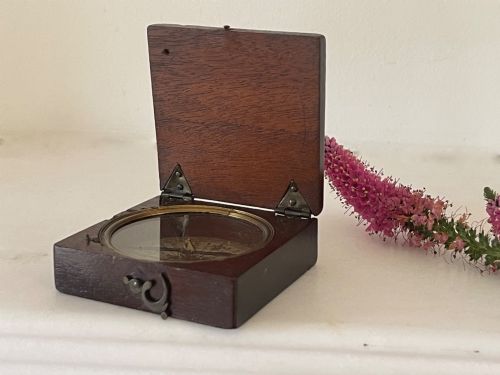
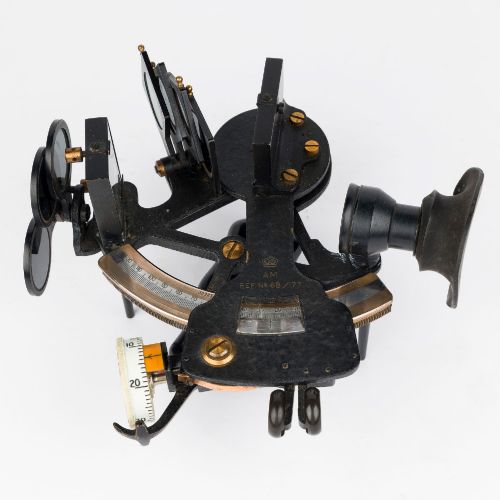
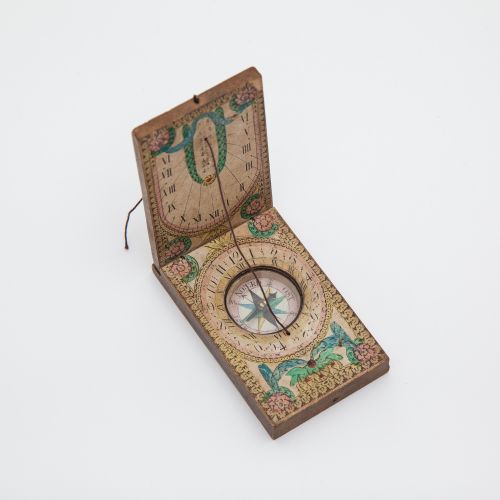
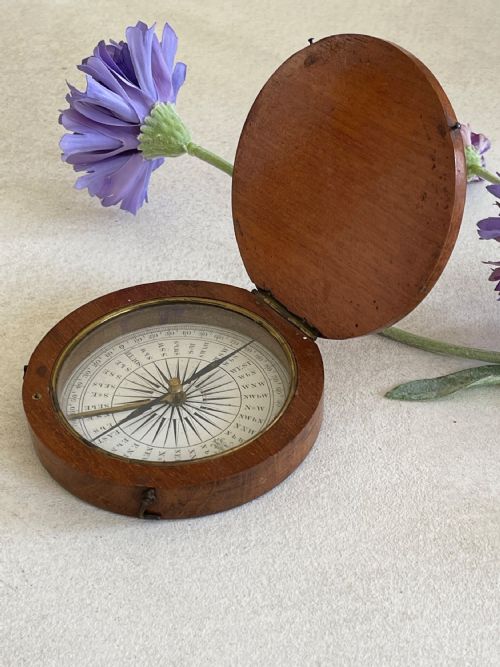
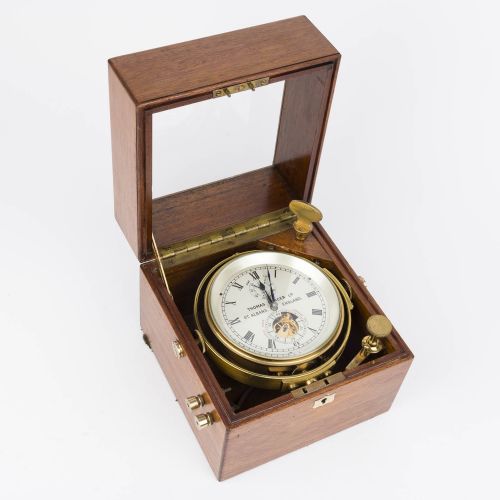
A maritime navigational instrument encompasses portable compasses, marine chronometer clocks, hourglasses, and telescopes designed for orientation at sea. Buyers exploring this category encounter items ranging from Georgian pocket compasses to twentieth-century ships telegraphs.
The selections span the Georgian period, the nineteenth century, and early twentieth-century conflicts, including specific dates such as eighteen-thirty and the nineteen-forties. These objects reflect the evolution of seafaring technology across exploration and naval warfare.
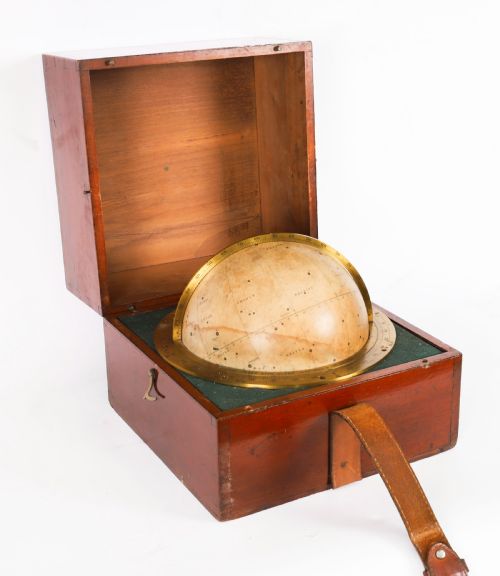
Forms vary from pocket-sized brass compasses and cased celestial globes to tabletop nickel-plated telescopes and large naval watches. Each piece represents a specific tool utilised by officers and explorers to calculate position and time.
Materials and construction methods
Maker workshops utilised durable metals including polished brass and nickel plating to withstand harsh marine environments. Housings and fitted storage boxes were constructed from dense woods such as mahogany, frequently lined with felt or leather.
Precision optics incorporated clear glass lenses within adjustable brass tubes, while timing devices relied on fine paper dials and sand-filled hourglasses. Metal components were cast, turned, and engraved with maker details and graduation scales.
Retail Price Guide 2026
Typical UK retail prices for maritime navigational instrument, calculated from the Sellingantiques database of over a million retail prices indexed since 2003. This retail price guide relies exclusively on Sellingantiques data; no external sources or auction records are used, so the figures do not describe the wider market.
Listings feature brass, mahogany, glass, and paper across periods spanning the Georgian era to the nineteen-forties.
Distinctions in craftsmanship
Quality rests in the precision of the mechanical movements, the clarity of engraved markings, and the integrity of the original optical and housing materials. Finer examples display refined metalwork and bear the signature of recognised instrument makers.
The grade of timber used for fitted cases and the survival of original components such as paper dials and glass lenses differentiate standard working items from high-grade scientific pieces.
Hughes & Son London·Litherland Davies Of Liverpool·W. & T. Gilbert London
The Maritime Navigational Instrument Glossary
- Marine chronometer
- A highly accurate timekeeper used at sea to determine longitude by observing celestial bodies. These clocks are housed in gimbaled brass boxes to keep them level.
- Celestial globe
- A spherical map of the constellations and stars fitted into a stand or portable case for navigational calculations. They assist in determining position using the night sky.
- Gimbal
- A pivoted ring system that allows a compass or chronometer to remain horizontal regardless of the motion of a ship. This mechanism ensures accurate readings in rough seas.
Frequently Asked Questions
What periods do these instruments come from?
The available pieces span from the Georgian era through the nineteenth century and into the twentieth century, including items dated around eighteen-thirty, nineteen-fourteen, and nineteen-forty.
This timeline covers the height of age-of-sail exploration and twentieth-century naval operations.
What materials were used to make them?
Constructors utilised brass, nickel plating, glass, and mahogany, alongside internal components of paper, leather, sand, and felt.
These materials provided the durability and precision required for maritime use.
How were these instruments used at sea?
Navigators used compasses and celestial globes to find direction, telescopes to spot land or other vessels, and marine chronometers to measure time for longitude.
Ships telegraphs communicated orders directly from the bridge to the engine room during operation.
How do I care for a cased compass or telescope?
Keep wooden mahogany cases and brass components in stable environmental conditions away from excessive moisture and direct sunlight.
Handle delicate glass lenses and paper dials with care to preserve their original condition.