


Antique Ship Clock
An antique ship clock brings precise maritime history indoors, combining heavy brass cases, enamel dials and precise fusee movements for practical marine timekeeping.
Antique Ship Clock
When you search for an antique ship clock, you encounter timepieces designed for maritime navigation, bulkhead mounting, and desk use. These instruments originate from periods spanning the eighteenth century through the mid twentieth century, including Victorian and Georgian eras.
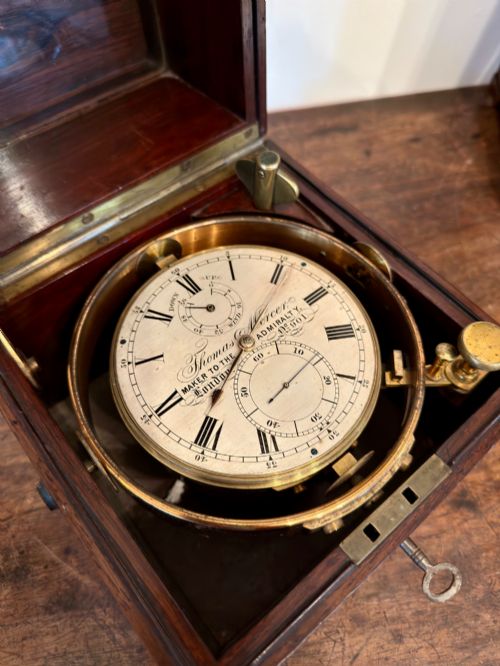
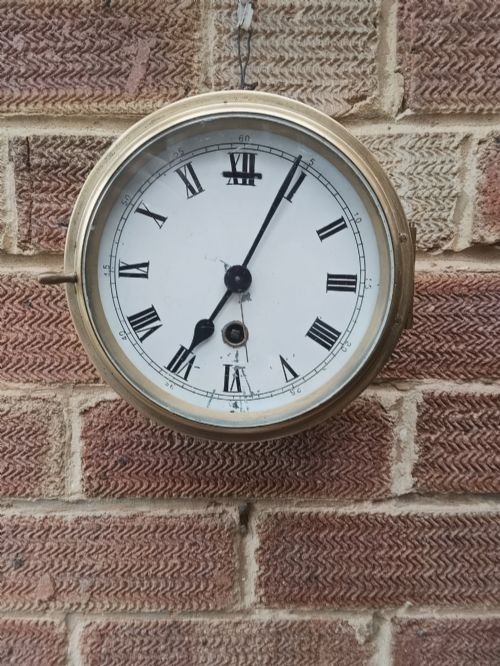
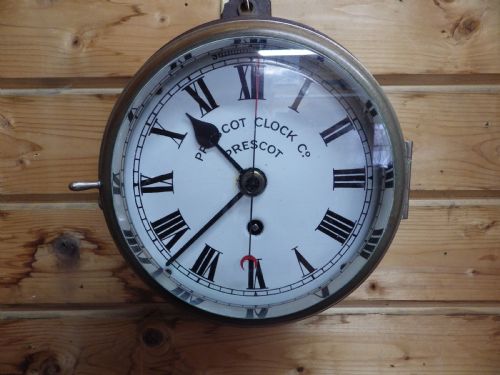
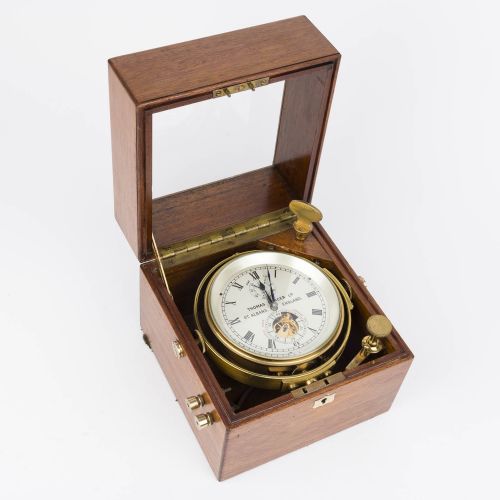
The most frequent examples on this page are brass bulkhead clocks and wall clocks, alongside marine chronometers and occasional longcase clocks featuring rocking ship automata. These objects served vital functions aboard vessels, measuring watches and aiding navigation across oceans.
How They Were Made
Maker workshops utilised robust materials such as brass, gilt brass, silvered metal, glass, and steel to withstand damp marine environments. Cases frequently incorporated sturdy hardwoods like mahogany, while dials featured clear enamel for readability in dim cabins.
Internal mechanisms relied on sophisticated engineering, notably chain fusee movements and twin fusee systems to maintain constant tension as the mainspring wound down. Makers also housed delicate mechanisms in four glass mantel clock structures and heavy cast brass bulkhead housings.
Antique Ship Clock Retail Price Guide 2026
Typical asking prices for ship clock among the pieces listed under this phrase on Sellingantiques today, from the lower quarter to the upper quarter. They describe what is for sale here now, not the wider market.
Listings feature items built from brass, mahogany, glass, and steel, originating from the eighteenth, nineteenth, and twentieth centuries.
What Varies in Quality
Quality rests in the precision of the movement and the provenance of the maker. Chronometers and fusee movements by noted London, Liverpool, and provincial makers represent a higher standard of horological accomplishment than standard mass-produced bulkhead clocks.
Mercer of London·Thomas Mercer·Litherland Davies Of Liverpool·Prescot Clock Co·Kelvin White Hutton London·Richard Biggs·John Sly·James McCabe·Gay Vicarino·Pascall Atkey·Japy Freres
The Antique Ship Clock Glossary
- Fusee
- A conical pulley used in clockwork to equalize the driving force of the mainspring as it unwinds. This mechanism ensures more accurate timekeeping throughout the power reserve.
- Bulkhead clock
- A timepiece designed specifically to be mounted directly onto the interior wall of a ship cabin or bridge. These cases are sealed tightly against moisture and vibration.
- Marine chronometer
- A highly accurate portable timepiece used on ships to determine longitude by celestial navigation. They are typically housed in gimbaled boxes to keep the dial level.
- Automata
- Mechanical figures or moving scenes integrated into a clock face, such as a rocking ship that moves with the pendulum swing. These add a decorative and theatrical element to longcase clocks.
Antique Ship Clock: Frequently Asked Questions
How did ships tell time accurately at sea?
Navigators relied on marine chronometers and precise fusee movements housed in heavy brass cases to maintain steady time despite rough seas.
These instruments allowed crews to calculate longitude accurately during long voyages.
What is a bulkhead clock?
A bulkhead clock is a heavy-duty timepiece built to be screwed directly onto the wall of a ship's cabin, engine room, or bridge.
They feature robust brass housings and secure dial covers to protect the internal mechanics from salt air and moisture.
What does a fusee movement do?
A fusee is a conical pulley connected to the mainspring via a chain, designed to smooth out the declining power of the spring as it unwinds.
This clever mechanical device ensures the clock maintains an even force and higher accuracy over its running period.
How do I identify a marine chronometer?
True marine chronometers are high-precision portable timepieces traditionally mounted in gimbals inside wooden boxes to keep the dial level.
They often feature specialised day dials and were signed by skilled makers on the face or movement.