







Antique Nautical Instrument
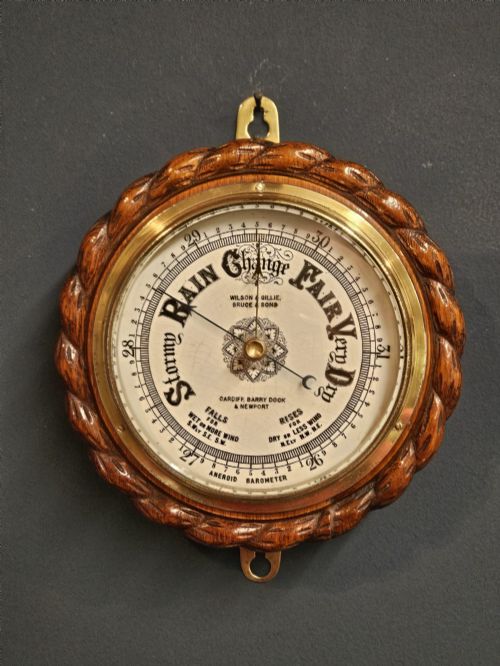
An antique nautical instrument brings the brass, mahogany, and glass of maritime navigation into a room.
Antique Nautical Instrument
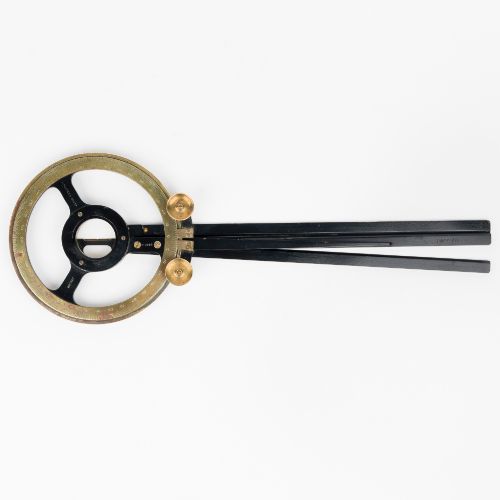
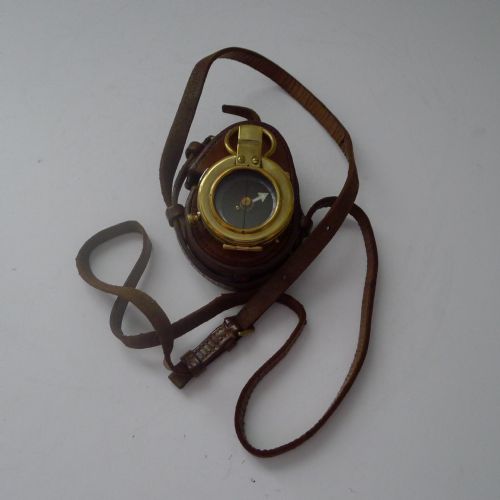
An antique nautical instrument is a device used historically at sea for finding position, measuring time, or reading weather, encompassing objects such as telescopes, barometers, compasses, and chronometers. These pieces date from the eighteenth century through to the mid-twentieth century, with a strong representation of nineteenth-century and Victorian examples.
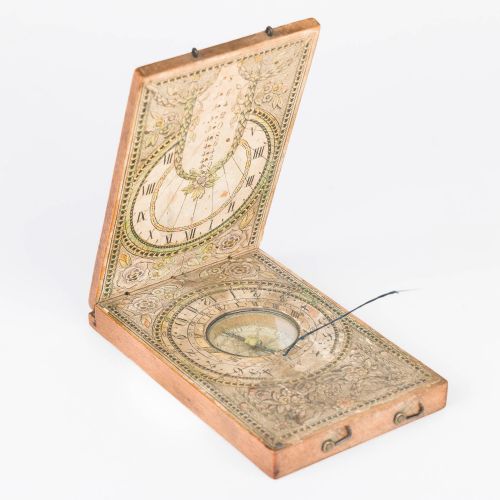
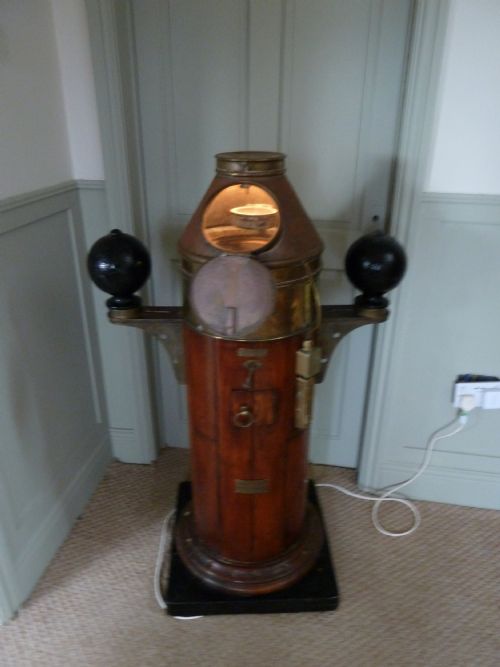
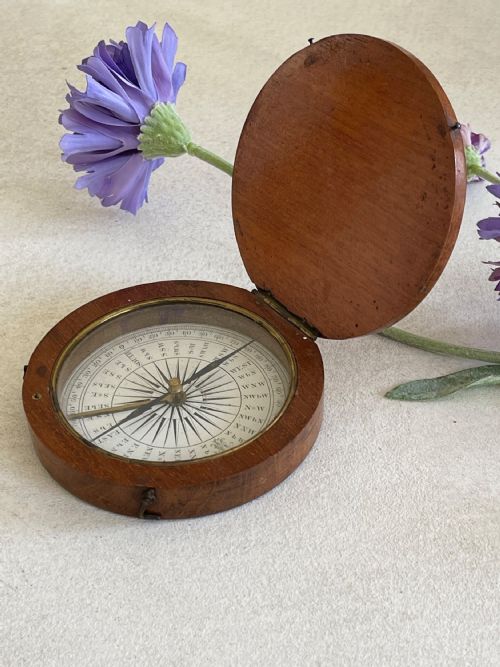
The form is dictated by function, ranging from portable two-draw spyglasses and boxed pocket sundials to large desk compasses, ships binnacles, and marine stick barometers. Oak, mahogany, and rosewood frequently house the mechanisms, whilst brass dominates the optical and directional hardware.
How they were made
Makers constructed these instruments using heavy brass for optical tubes, gimbals, and bezels, paired with seasoned hardwoods such as mahogany, oak, ebony, and walnut for cases, bodies, and barometer mountings. Leather dressings appear on portable telescopes and spyglasses to provide a secure grip at sea.
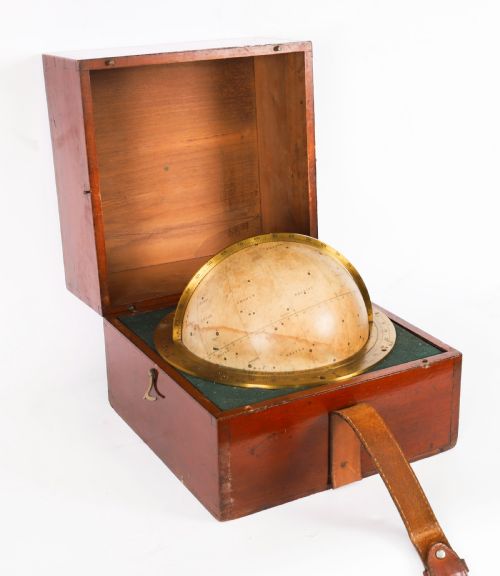
Glass lenses and mirrors were ground and fitted into multi-draw brass telescope tubes, while paper dials were printed for compasses, globes, and barometers. Fine metalworking involved hand-engraved graduation scales on scientific instruments, sextants, and chronometers to ensure precise navigational readings.
Antique Nautical Instrument Retail Price Guide 2026
Typical asking prices for nautical instrument among the pieces listed under this phrase on Sellingantiques today, from the lower quarter to the upper quarter. They describe what is for sale here now, not the wider market.
Some nineteenth-century explorers relied on folding brass tripods and leather-dressed spyglasses to spot land from rolling decks.
What varies in quality
The standard of an antique nautical instrument rests upon the precision of its original graduation, the optical clarity of its lenses, and the integrity of its housing. Maker attribution to notable London, provincial, or continental workshops marks a distinct tier of craftsmanship.
Completeness alters the character of a piece, particularly the survival of original fitted wooden cases, matching brass tripod stands, and intact paper scales. The quality of timber selection, such as figured mahogany or carved walnut, distinguishes standard utilitarian gear from fine presentation items.
Nairne and Blunt·French Ltd·Hughes and Son·Elliott Brothers·Thomas Mercer·Litherland Davies·Clarkson·Steward of London·Richardson·Henri de Magnac·Newton and Co·A Hurlimann Paris·Stanley London·Negretti and Zambra·L Casella London·Alexander Adie of Edinburgh
The Antique Nautical Instrument Glossary
- Binnacle
- A stand or housing on the deck of a ship that holds the ship's compass. It protected the navigational instrument from weather and iron interference.
- Chronometer
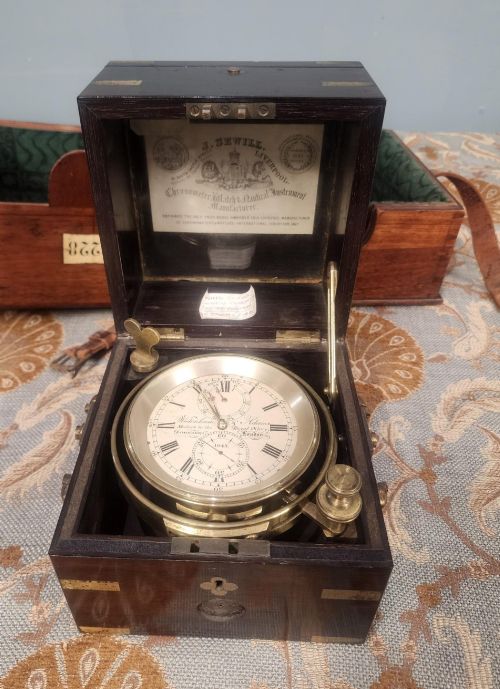
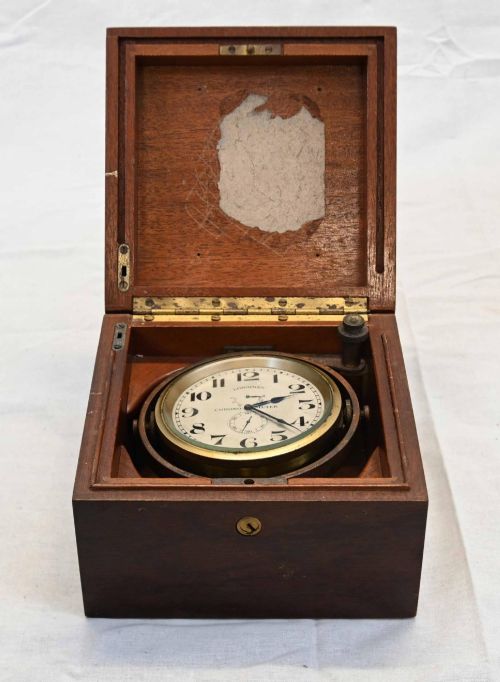
- A highly accurate marine timekeeper used to determine longitude at sea. These mechanical clocks were often housed in brass-bound wooden boxes on gimbals.
- Octant
- A navigational instrument used to measure the angle between an astronomical object and the horizon. It precedes the modern sextant and measures up to ninety degrees.
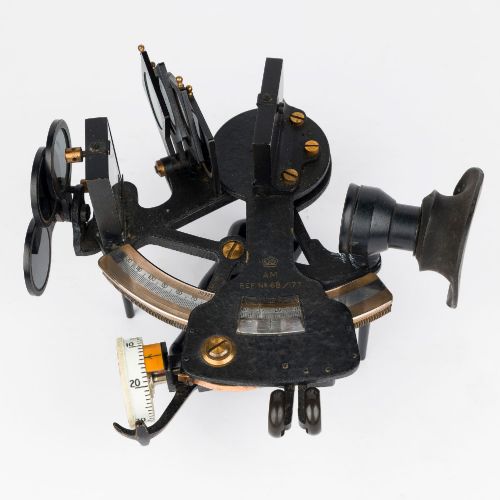
- Sextant
- An instrument used to measure the angle between two visible objects for navigation. It calculates latitude and longitude by observing celestial bodies.
- Spyglass
- A small, handheld refracting telescope used for terrestrial and maritime viewing. They typically feature multiple draw tubes made of brass and wood or leather.
Antique Nautical Instrument: Frequently Asked Questions
What is an antique nautical instrument?
An antique nautical instrument is a device used by sailors for navigation, timekeeping, and weather observation at sea. These include brass telescopes, marine chronometers, barometers, and compasses.
They reflect the history of maritime exploration and scientific development from the Georgian era through to the twentieth century.
How were marine chronometers used?
Marine chronometers were kept on ships to maintain exact Greenwich Mean Time during long voyages. Navigators used this stable time reference alongside celestial observations to calculate their ship's longitude.
Mounted on gimbals to stay level, these precise clocks were essential for safe ocean navigation.
How do I care for brass and wood?
Keep brass and wood instruments away from direct sunlight and excessive humidity to preserve the metal finish and the timber's moisture balance. Dust brass gently with a soft cloth without using harsh chemical polishes that can remove age patination.
Leather-dressed components benefit from occasional light conditioning to prevent cracking.
How can I tell the period?
Dating relies on materials, typography on paper dials, and maker signatures recorded in historical directories. Georgian and Regency pieces often feature simpler mahogany and brass work, whilst Victorian items display more varied hardwoods and refined mechanical signatures.
Engraved workshop names provide the most direct link to an active operating era.