




Antique Pocket Compass
An antique pocket compass is a portable navigational instrument for finding direction, prized by collectors for its precise brass mechanics and historic utility.
Antique Pocket Compass
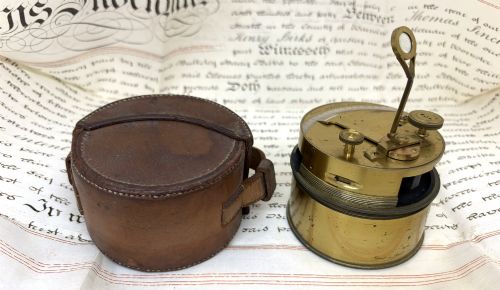
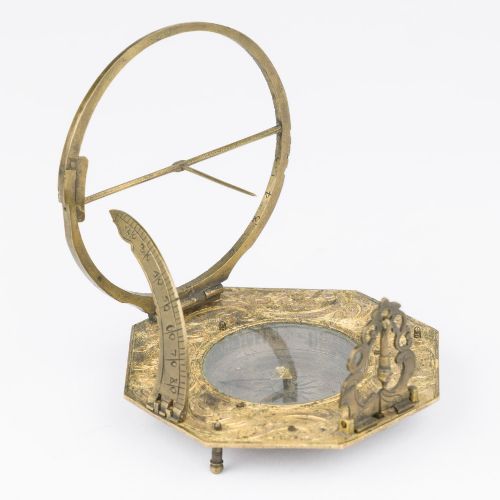
An antique pocket compass is a portable navigational instrument designed for travellers, explorers and military officers to find direction in the field. These instruments range from simple brass pocket versions to complex combinations incorporating sundials and magnifiers.
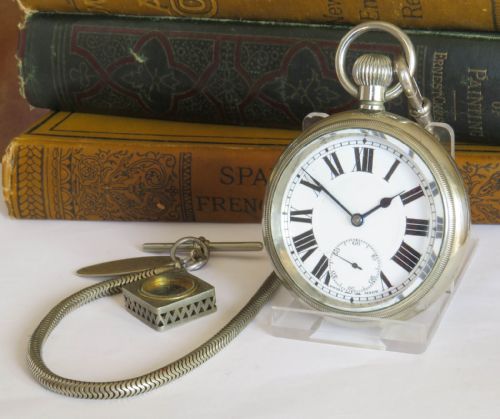
The pieces appearing on this page span several centuries, with Victorian and Georgian examples forming a substantial part of the selection. Military pieces from the First World War and earlier periods also recur frequently alongside domestic pocket watch styles.
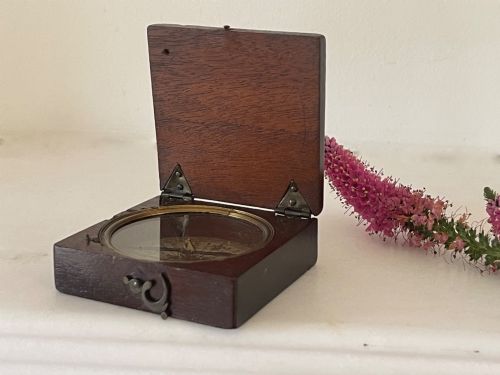
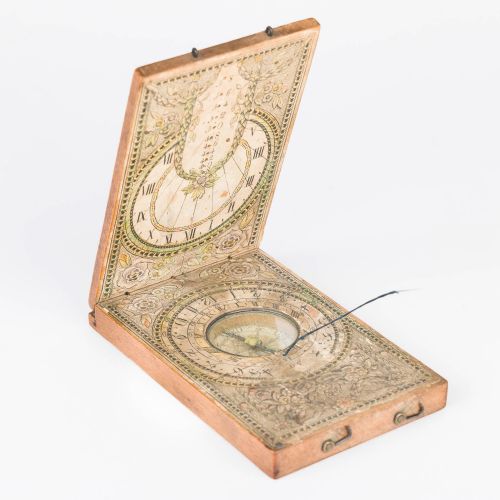
Navigational instruments and scientific instruments dominate the forms seen here, often housed in fitted wooden boxes or brass pocket watch cases. Buyers encounter everything from pocket sundials to prismatic surveying compasses.
What Varies in Quality
The precision of the engraving on the dial and the legibility of the printed card separate standard field instruments from superior pieces. Maker signatures engraved on the brass bezel or case elevate the standing of an instrument.
The integrity of the original glass and the preservation of the delicate interior needle dictate the overall preservation state. Fitted cases in mahogany or leather retain their original fabric linings in superior examples.
Antique Pocket Compass Retail Price Guide 2026
Typical asking prices for pocket compass among the pieces listed under this phrase on Sellingantiques today, from the lower quarter to the upper quarter. They describe what is for sale here now, not the wider market.
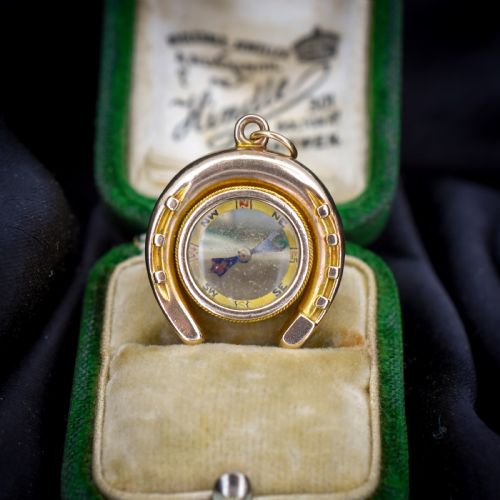
Some compasses double as magnifying glasses, magnifying loops, or even gold horseshoe pendants for lucky explorers.
French Ltd·P. Orr Madras·Baker London·Andreas Vogler·Alfred Apps·Samuel Porter·Stanley London·J Hicks·Yeates and Son Dublin·Francis Barker London
The Antique Pocket Compass Glossary
- Prismatic compass
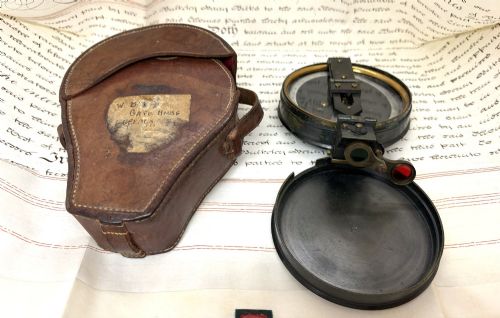
- A navigational instrument that allows the user to take a bearing and read the dial simultaneously through a prism. This design aids land surveying and military mapping.
- Butterfield dial
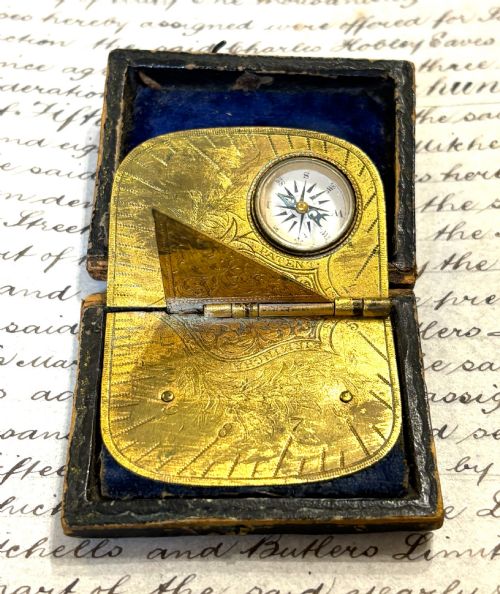
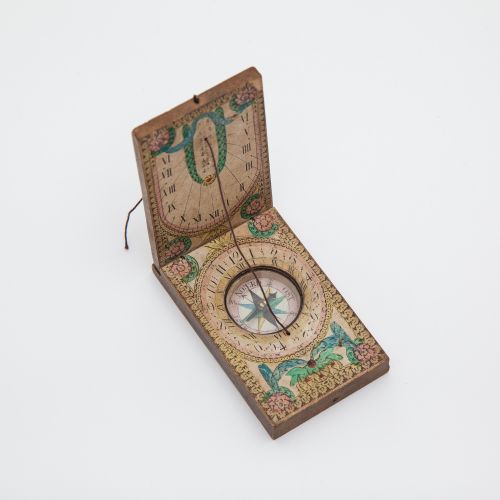
- A portable folding pocket sundial featuring a bird gnomon and an hour scale on an engraved plate. It includes an integrated compass to align the dial with magnetic north.
- Treen
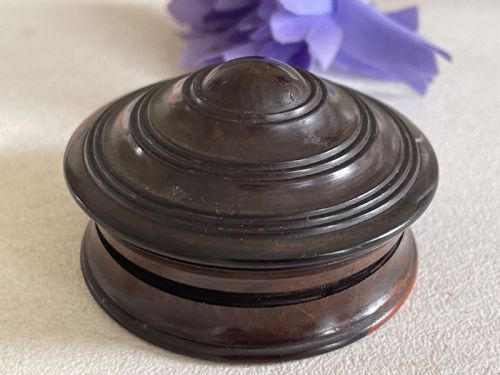
- Small domestic objects made from turned wood. In navigation pieces, it describes turned wooden outer cases housing compasses or sundials.
- Floating card
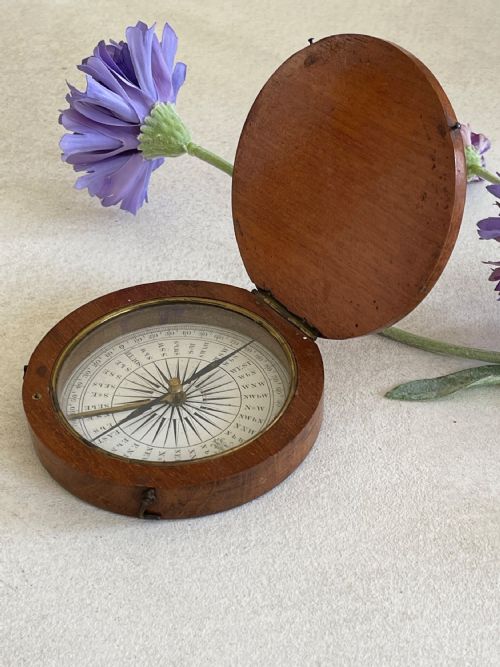
- A directional card balanced on a pivot pin inside the liquid-filled or dry compass chamber. The card rotates freely beneath a fixed lubber line.
- Clinometer
- An instrument for measuring angles of slope or inclination relative to gravity. Surveyors pair these with compasses in field compendiums.
Antique Pocket Compass: Frequently Asked Questions
How do pocket sundials and compasses work together?
The integrated compass aligns the instrument precisely with magnetic north so the gnomon casts a shadow accurately. Users read the local time from the engraved hour plate once the housing rests level.
Portable dials required manual adjustment for latitude depending on the traveller's location. This combination allowed explorers to navigate and tell time simultaneously without separate tools.
What is a Verner's pattern compass?
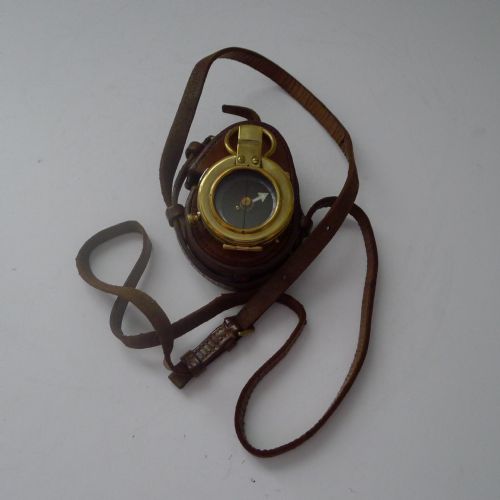
Verner's pattern instruments served as standard military compasses for British Army officers during the First World War. Their robust brass construction suited harsh field conditions.
These pieces feature specific sighting mechanisms and folding arms for taking bearings in the field. Collectors prize them for their military history and functional design.
How should I store an antique compass?
Keep the instrument in a stable environment away from direct sunlight and damp conditions to protect the brass and paper components. Storing wooden and leather cases flat prevents stress on old hinges.
Allow the needle to lock if the compass has a transit stop to preserve the pivot point. Avoid placing them near strong magnetic fields.
Did civilians use pocket compasses daily?
Travellers, geologists and explorers carried pocket instruments to navigate unfamiliar terrain before digital mapping existed. Wealthy gentlemen also wore pocket watch style compasses on watch chains as gentlemanly accessories.
Sailors and maritime officers utilised small floating card compasses for coastal navigation. Their widespread production reflects the growing reliance on precise measurement during the nineteenth century.
How can I date an antique compass?
Maker signatures, address stamps and prevailing military patterns provide primary clues for dating an instrument. Stylistic details like Victorian floral engraving or Art Deco geometry help narrow the manufacturing era.
Materials such as early paper cards and hand-blown glass differ from twentieth-century mass-produced elements. Comparing the typography on the dial face against known historical registers confirms the period.