
Cased Scientific Instrument
When you handle a cased scientific instrument, you hold an instrument built for precise measurement, housed in a fitted wooden container.
Cased Scientific Instrument
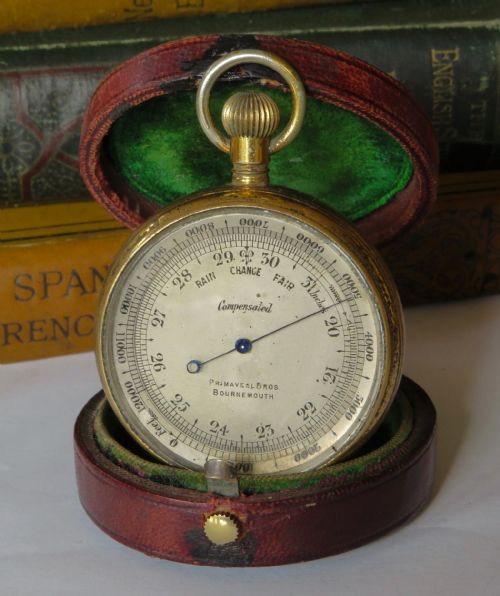
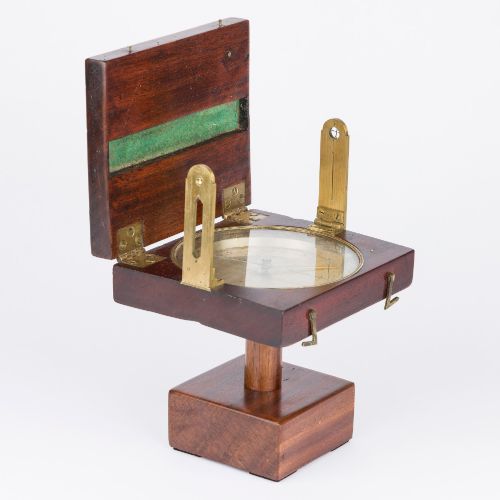
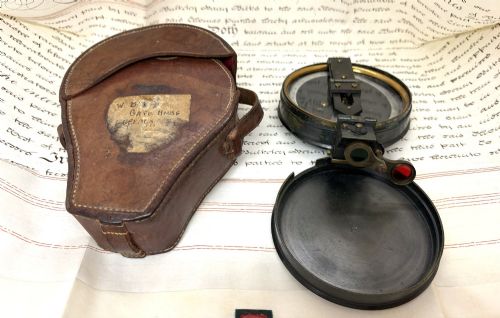
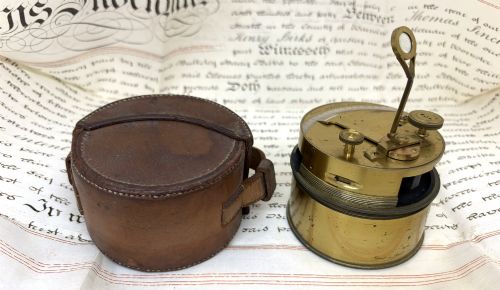
A cased scientific instrument is a precision device designed for navigation, meteorology, surveying, or optical observation, protected in a fitted wooden box. When you search this phrase, you encounter pieces spanning from the eighteenth century through the early twentieth century, taking the form of barographs, microscopes, telescopes, compasses, and surveyors' levels.
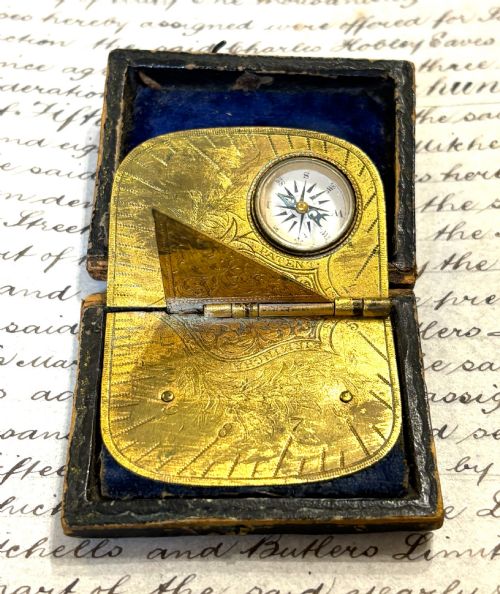
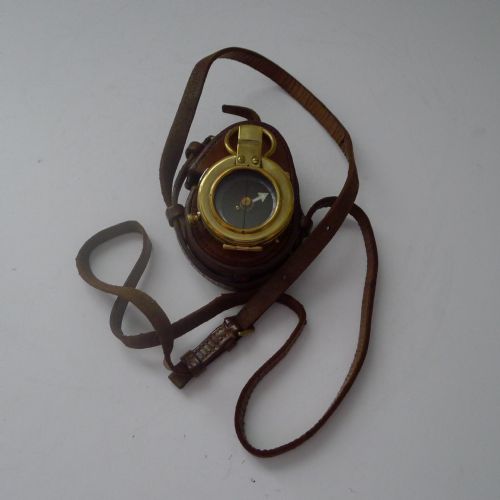
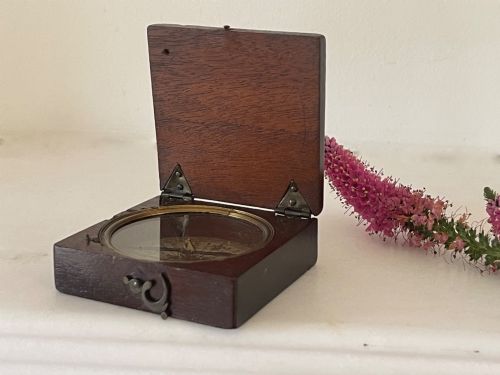
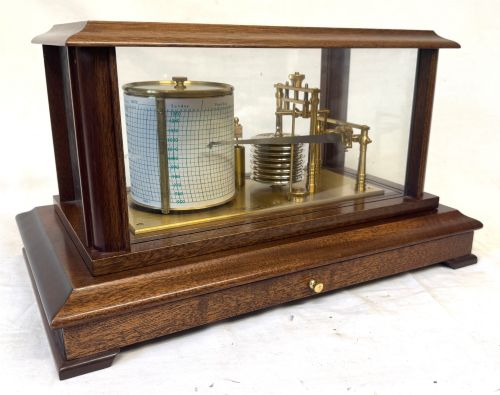
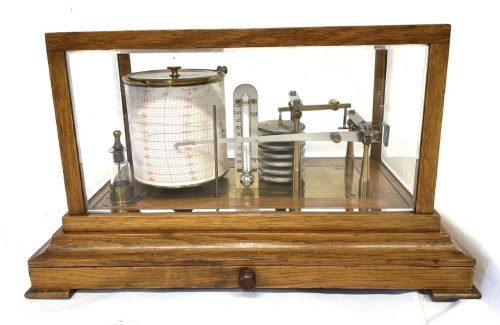
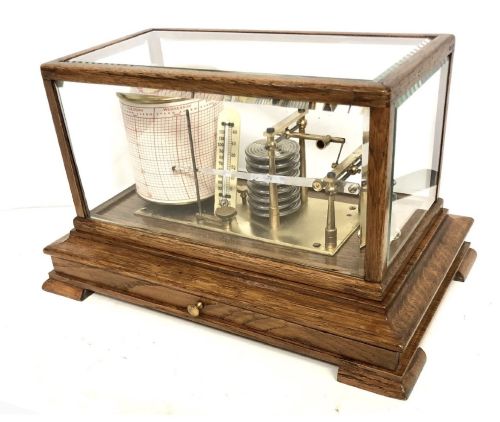
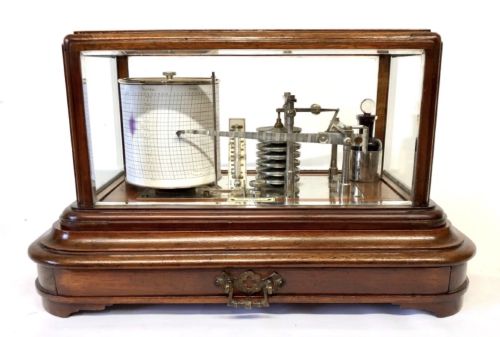
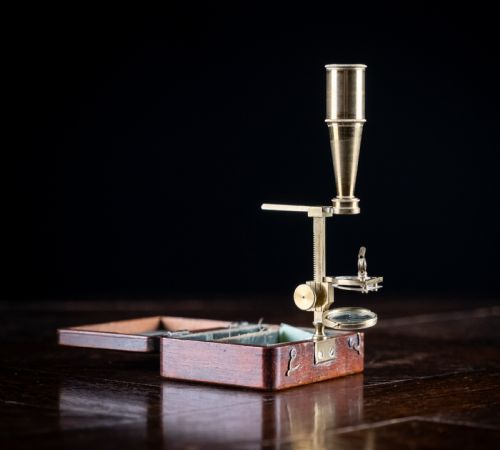
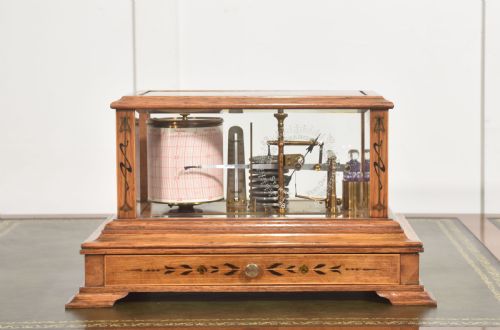
The version you most frequently meet on this page is the Victorian or Edwardian mahogany or oak cased barograph, often fitted with a thermometer and bevelled glass. Alongside these meteorological instruments, pocket sundials, prismatic compasses, and lacquered brass microscopes appear regularly in their original fitted housings.
Originating from British and European workshops, these objects served practical functions for explorers, engineers, doctors, and meteorologists in the field and the study. Their survival inside dedicated protective enclosures reflects their specialised nature and the value placed on them by their original users.
How They Were Made
Makers constructed these pieces using heavy gauge brass for the working parts, often finished with a clear lacquer to prevent tarnishing, paired with steel components for springs and needles. The housings rely on dense hardwoods such as mahogany and oak, frequently lined with velvet, felt, or paper to cushion the delicate mechanisms within.
Joinery in the cases typically employs tight box joints or mitres reinforced with brass corners, secured by working brass locks and hinges. Dials and scales utilise silvered or enamelled brass plates with hand-engraved or stamped graduations filled in black wax for legibility.
Cased Scientific Instrument Retail Price Guide 2026
Typical asking prices for cased scientific instrument among the pieces listed under this phrase on Sellingantiques today, from the lower quarter to the upper quarter. They describe what is for sale here now, not the wider market.
Materials documented in these records include brass, glass, mahogany, leather, oak, velvet, paper, and steel, reflecting nineteenth and early twentieth century workshop practices.
What Varies in Quality
The distinction between standard utility items and the upper tier rests in the execution of the mechanical components and the choice of materials. Finer examples display crisp, deep engraving on silvered dials, heavier gauge brass castings with smooth hand-finishing, and cases built from figured mahogany or quarter-sawn oak with integrated chart drawers or bevelled glass panels.
Makers known for exceptional output, such as Short and Mason or Negretti and Zambra, employed superior optical lenses and more responsive barometric linkages. The presence of original maker signatures on the instruments, matching trade papers, and unaltered fitted interiors elevate the standing of a piece considerably.
French Ltd.·G. Davis of Leeds·P. Orr, Madras·Baker, London·Russell Norwich·Cary London·Hezzanith·Short and Mason·L Casella and Co·R and J Beck London·Poulenc Freres of Paris·M Pillischer of London·Alfred Apps·George Adams·Auguste Robert Kauffman·H Hughes and Son London·Negretti and Zambra·J Swift·Watson of London
The Cased Scientific Instrument Glossary
- Barograph
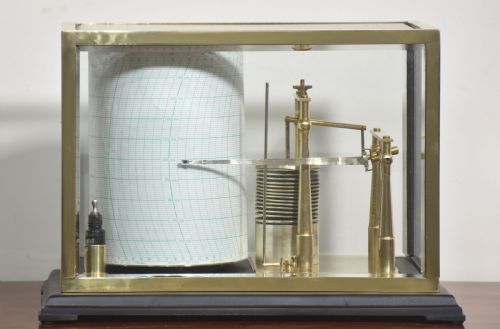
- A self-recording aneroid barometer that charts atmospheric pressure over a weekly period onto a paper chart. It uses an assembly of vacuum capsules connected to an inked pen arm.
- Theodolite
- A precision optical instrument used for measuring horizontal and vertical angles in surveying and civil engineering. It mounts on a tripod and incorporates telescopic sights and spirit levels.
- Aneroid
- Operating without liquid, utilising a flexible metal bellows or capsule that expands and contracts with changes in pressure. This mechanism forms the basis of compact barometers and barographs.
- Hygrometer
- An instrument used for measuring the moisture content or humidity of the air. Examples from this period often utilised human hair as the sensing element.
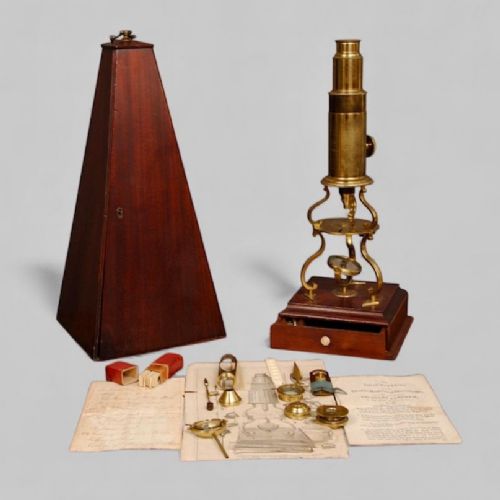
- Culpeper microscope
- An early form of tripod-based compound microscope developed in the eighteenth century. It typically stands inside a pyramidal wooden case and uses a mirror for illumination.
Cased Scientific Instrument: Frequently Asked Questions
How do I wind a barograph?
Most barographs utilise a clockwork drum movement housed inside the revolving cylinder that carries the paper chart. You wind this spring gently using a dedicated key, taking care not to overwind the mechanism.
Ensure you do not apply pressure to the delicate pen arm or the aneroid stacks while accessing the drum for winding or when changing the weekly chart paper.
Can I use an antique telescope?
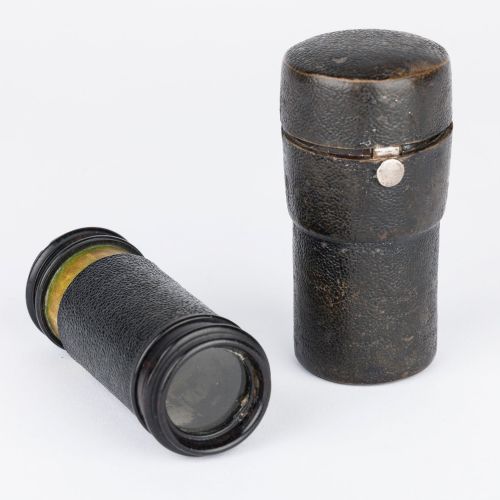
Many antique spyglasses and tabletop telescopes remain fully functional for terrestrial viewing. The lenses yield clear magnification, provided the internal optics are clean and free from haze or separation.
When extending a multi-draw leather-dressed spyglass, support the brass tubes carefully to avoid denting the metal or straining the friction fit between the sections.
How do I identify the maker?
Makers typically signed their work by engraving their business name and address directly onto the brass body plate of the instrument, the dial face, or the surrounding bezel.
In many instances, paper trade labels pasted inside the fitted wooden case or accompanying paperwork provide the exact workshop details and trading address.
How should I clean the brass?
You should preserve the original aged patina and protective lacquer on antique brass instruments rather than attempting to polish them to a bright shine. Vigorous cleaning removes historical character and can erase faint engraved signatures.
Dust the instrument gently with a soft, dry artist's brush or a microfiber cloth to remove surface particles without disturbing delicate pointers or glass components.