






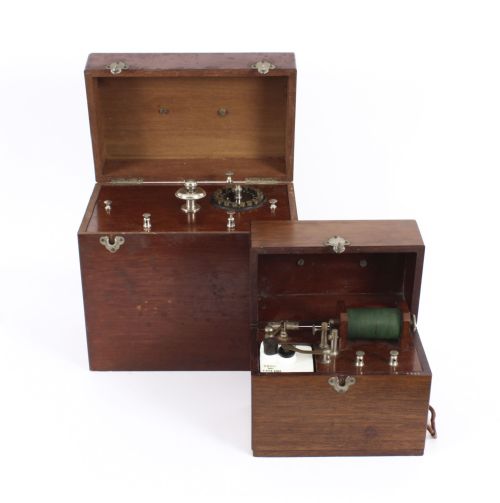

Antique Medical Instrument
An antique medical instrument represents the ingenuity of past practice, offering tangible pieces of historical surgical, dental and diagnostic history.
Antique Medical Instrument
An antique medical instrument spans periods from the Georgian and Regency eras through to the Victorian, Edwardian and early twentieth century. These pieces encompass specific diagnostic and surgical tools, from veterinary vaccinating lancets and treen stethoscopes to military surgeon amputation saws and pneumothorax scientific instruments.
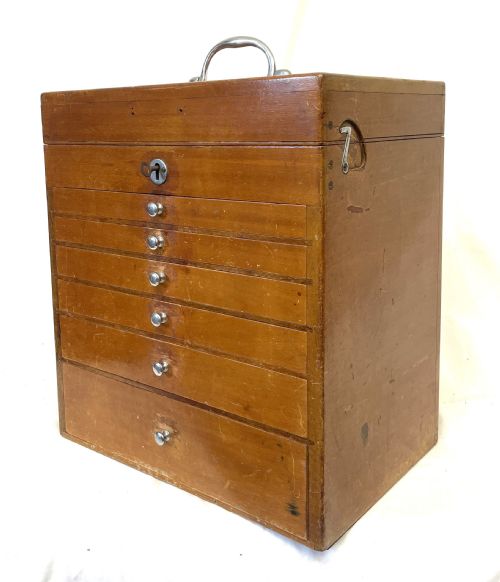
Buyers will encounter various forms on this page, including cased optometrist test glass kits, opticians examination sets, electro therapy devices and medical cupping sets. Storage containers such as mahogany instrument cases, tabletop cabinets, small carrying chests and wooden dentist apothecary cabinets with drawers also appear.
Object types categorise these items broadly under medical antiques, medical collectables and scientific instruments. The materials and construction reflect the specific period of manufacture, ranging from the Georgian era up to nineteen thirty.
Materials and construction
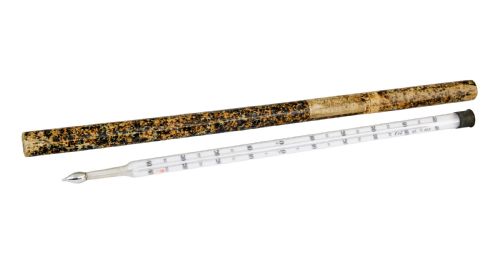
Construction relies heavily on durable metals like brass and steel for the functional components of the instruments. These materials ensure structural integrity for items such as saws, lancets and thermometers.
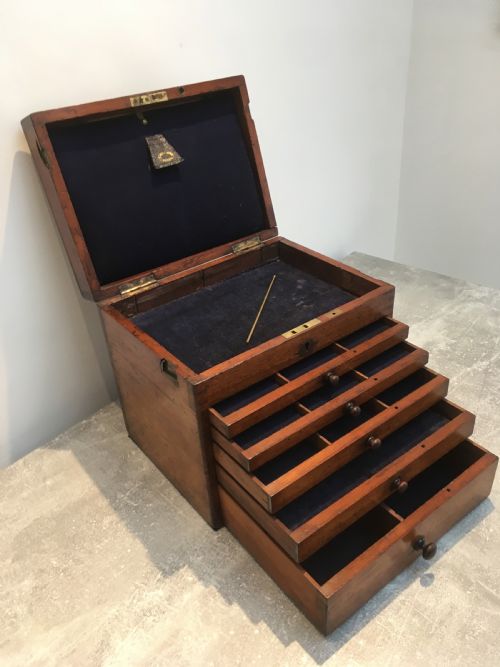
Enclosing and housing these tools involved traditional woodworking and cabinetry techniques utilising mahogany, pine, and treen. Interiors often incorporated fitted linings of velvet and leather to secure delicate glass lenses and delicate devices safely within their cases.
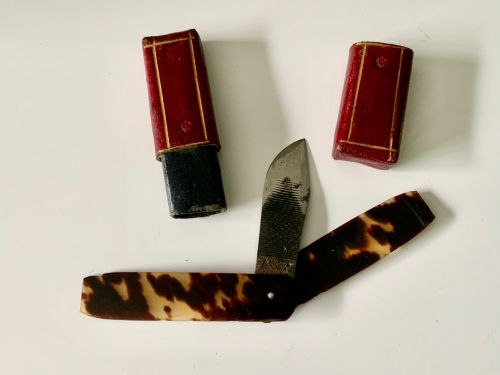
Specialised organic materials like tortoiseshell appear alongside glass in specific items, demonstrating the diverse material palette utilised by makers across the nineteenth and early twentieth centuries.
Antique Medical Instrument Retail Price Guide 2026
Typical asking prices for medical instrument among the pieces listed under this phrase on Sellingantiques today, from the lower quarter to the upper quarter. They describe what is for sale here now, not the wider market.
Listings feature items spanning the Georgian period, the nineteenth century, Victorian era, nineteen hundred, nineteen twenty, and nineteen thirty.
Assessing quality in historical medical pieces
Quality separates standard utilitarian equipment from superior pieces through the precision of the metalwork and the craftsmanship of the housing. Fine steel and well-cast brass indicate higher standards of production.
The survival of original fitted cases, whether in mahogany or other woods, preserves the context of the instrument. Complete sets retaining their original glass lenses, vials or multiple components command greater interest than incomplete items.
Maker signatures and stamped details inscribed onto the metal or fitted inside the wooden cabinets elevate the standing of an object, linking the piece directly to known historical workshops.
John Millikin·Maw
The Antique Medical Instrument Glossary
- Lancet
- A small surgical instrument with a sharp double-edged point, historically used for opening abscesses or performing vaccinations. These are frequently found in veterinary or human medical kits.
- Cupping set
- A collection of glass or metal cups used with heat or pumps to create local suction on the skin. Regency and Victorian examples were common for bloodletting and related therapies.
- Treen
- Small handmade wooden objects and household wares turned on a lathe. In this context, it refers to items like stethoscopes carved entirely from wood.
- Apothecary cabinet
- A dedicated wooden chest featuring multiple drawers designed for storing medicines, powders and equipment. These often house diagnostic and treatment gear.
- Electro therapy device
- An electrical apparatus utilised in the nineteenth and early twentieth centuries for therapeutic treatments. French and English examples demonstrate early applications of electricity in medicine.
Antique Medical Instrument: Frequently Asked Questions
What periods do these instruments cover?
The pieces span the Georgian, Regency, Victorian, Edwardian and early twentieth centuries up to nineteen thirty. Different eras introduced distinct material combinations and housing styles for medical equipment.
Cabinetry evolved from earlier simple wooden boxes to more elaborate fitted mahogany cases and apothecary drawers designed to protect delicate contents.
How were cased instrument sets used?
Complete sets served doctors, military surgeons, opticians and dentists in clinical practices or during field operations. Each tool fitted snugly into custom velvet or leather lined compartments.
Keeping instruments in dedicated boxes ensured that fragile glass lenses, thermometers and steel blades remained safe during transport between patients.
Are original cases usually included?
Many listings feature instruments housed within their original wooden cases, mahogany boxes or apothecary cabinets. These enclosures frequently match the exact period of the tools inside.
Original boxes often contain maker stamps, paper labels or fitted interior trays that provide additional provenance for the scientific equipment.