




Victorian Candle Shade
These victorian candle shade pieces direct light where it is needed, combining brass, glass, and fabric to protect flames and illuminate rooms.
Victorian Candle Shade
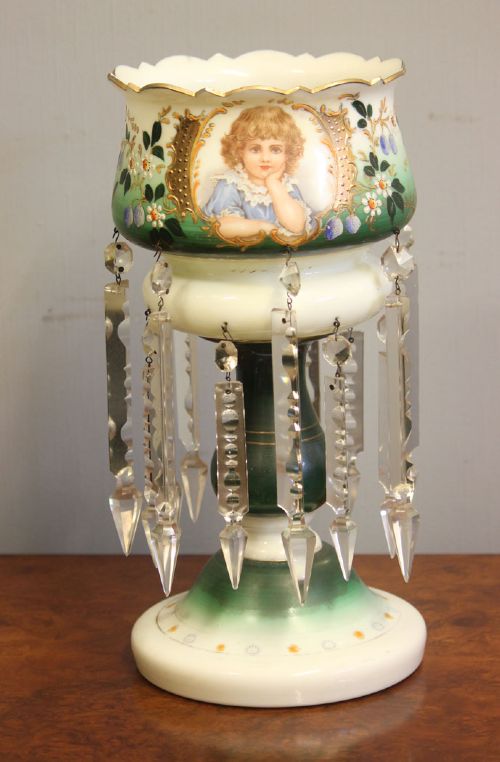
When you search for a victorian candle shade, you encounter items designed to shield or direct candlelight in nineteenth-century interiors. These objects range from scientific accessories to domestic table lamps and mantel lustres.
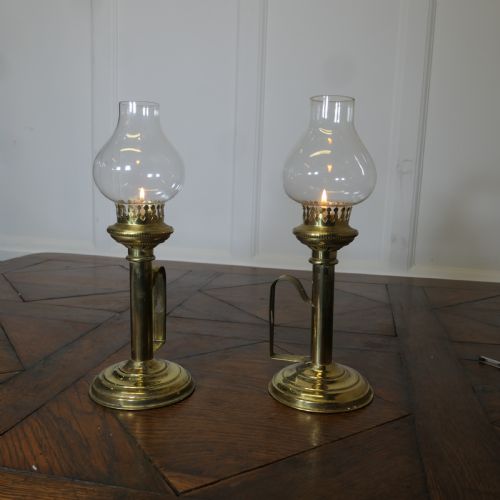
The versions most commonly met on this page include brass and glass candle lamps, adjustable holders, and specialised microscopy shades housed in original cases. They originate from the nineteenth century, including specific decades such as the eighteen-eighties and eighteen-nineties.
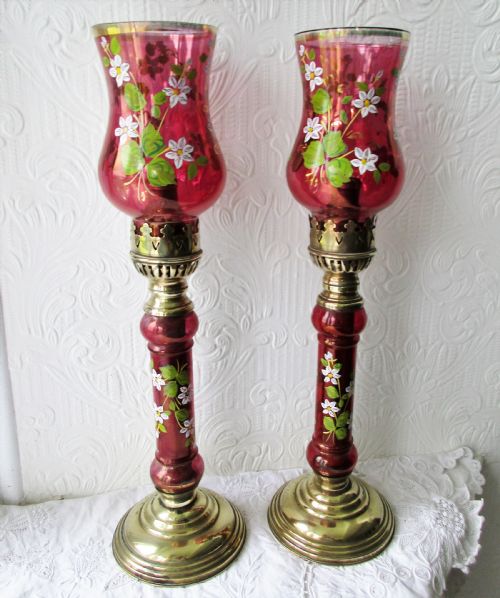
Makers and inventors like AFC, M Pillischer of London, Clarke's Cricklite, and Days Patent contributed functional and decorative forms. You also find Gothic Revival ecclesiastic stands, double fan shades, and ruby glass oil peg lamps.
How they were made
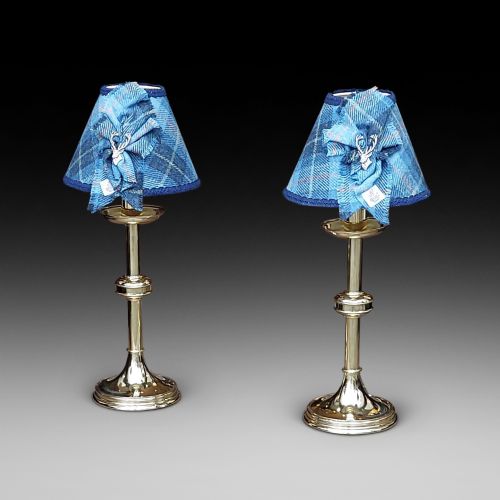
Brass forms the structural core for many pieces, shaped into candlesticks, stands, and adjustable arms. Silver plate and gilt frequently provide surface finish and metallic lustre.
Glass and crystal appear in multiple forms, including cranberry glass, ruby glass, storm shades, and chimneys. Enamel and fabric contribute colour and texture to the shielding elements.
Listed objects include scientific instruments alongside domestic candle lamps, mantel lustres, and candelabras.
What varies in quality
The distinction between ordinary and superior pieces rests on the integrity of the materials and the precision of mechanical adjustments. Original cases and matched pairs indicate higher production care.
Signed works by known makers or patent holders carry greater historical weight than unmarked items. The clarity of the glass and the weight of the brass reveal the original standard of manufacture.
AFC·M Pillischer of London·Clarke's Cricklite·Days Patent
The Victorian Candle Shade Glossary
- Mantel lustre
- A decorative tabletop ornament featuring hanging crystal prisms designed to catch and reflect light.
- Cricklite
- A brand of patented night-light and candle-holder system often mounted in silver plate branches.
- Microscopy shade
- A directional screen or fan used with nineteenth-century scientific instruments to focus illumination onto a slide.
- Peg lamp
- A small oil or candle lamp fitted with a tapered base designed to drop directly into the socket of a candlestick.
- Storm shade
- A tall cylindrical glass chimney placed around a flame to prevent flickering from draughts.
Victorian Candle Shade: Frequently Asked Questions
What is a victorian candle shade used for?
These items protected candle flames from draughts while directing or diffusing light for reading and scientific work. They served domestic, ecclesiastic, and laboratory purposes.
Domestic versions sat on tables and mantels to create ambient illumination. Scientific variants aided microscopy by focusing precise light onto specimens.
How do I identify a period piece?
Look at the materials, construction methods, and hardware typical of the nineteenth century. Brass casting techniques and glass colouring methods offer clear chronological clues.
Signatures, patent stamps, and original fitted cases also help confirm the era of manufacture.
Are these shades adjustable?
Many examples feature mechanical joints or sliding mechanisms designed to alter the angle of the light. Adjustable frames allowed users to direct illumination precisely where required.
Scientific and reading variants commonly include these movable brass components.
How do I display a candle shade?
Place them on mantelpieces, side tables, or desks where their brass and glass elements catch natural light. Paired items work well balanced on either side of a central object.
Ensure stable placement away from heavy footfall to protect delicate glass components.