



Traditional Wall Barometer
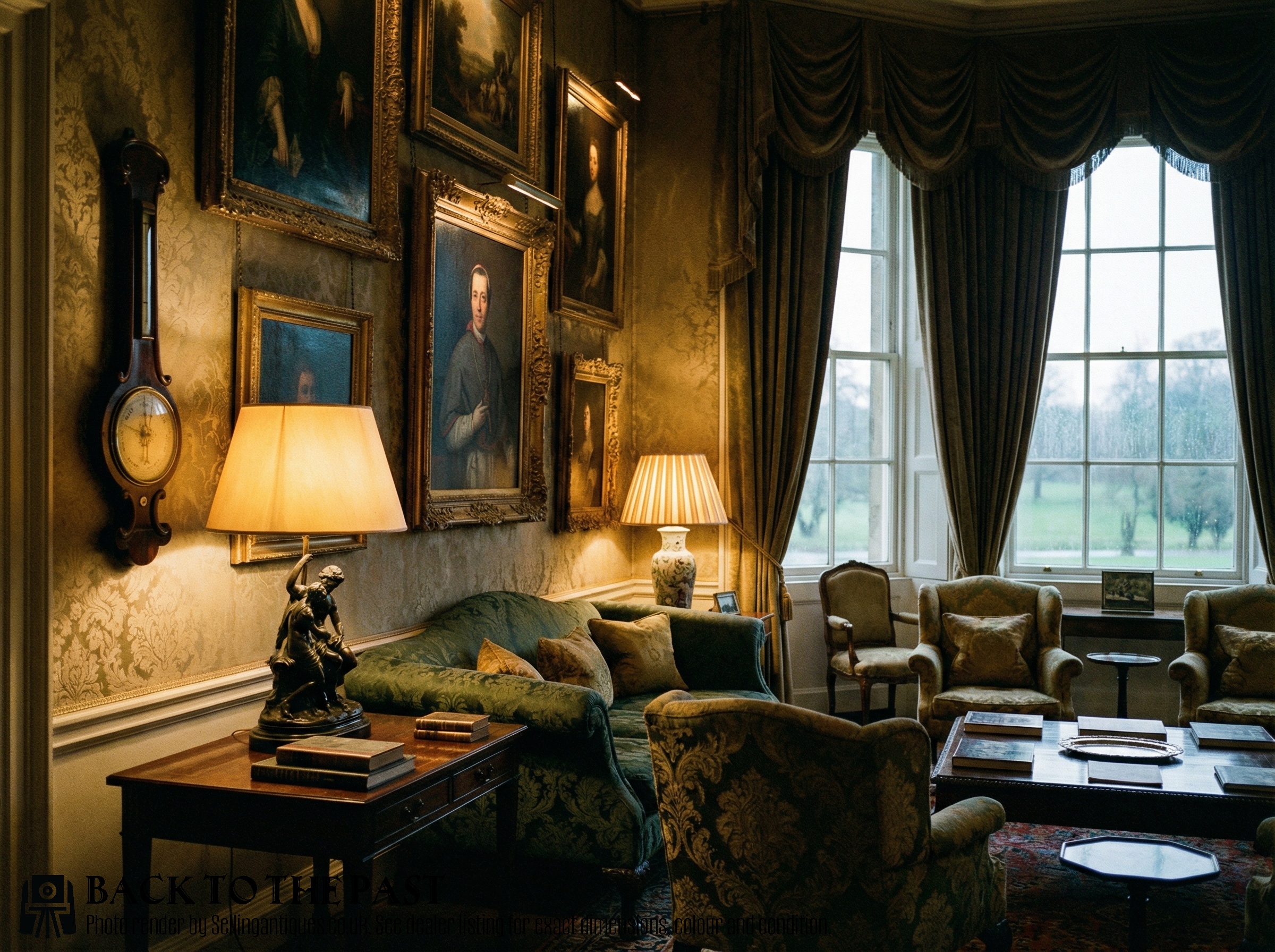
A traditional wall barometer brings period precision to a room, measuring atmospheric pressure through timber cases designed to hang securely.
Traditional Wall Barometer
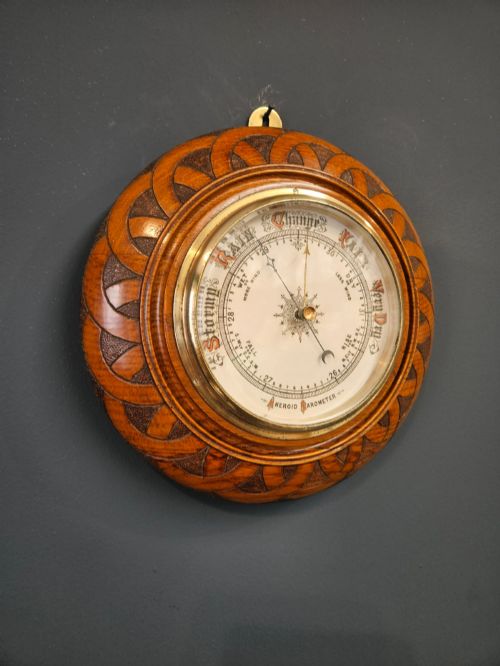
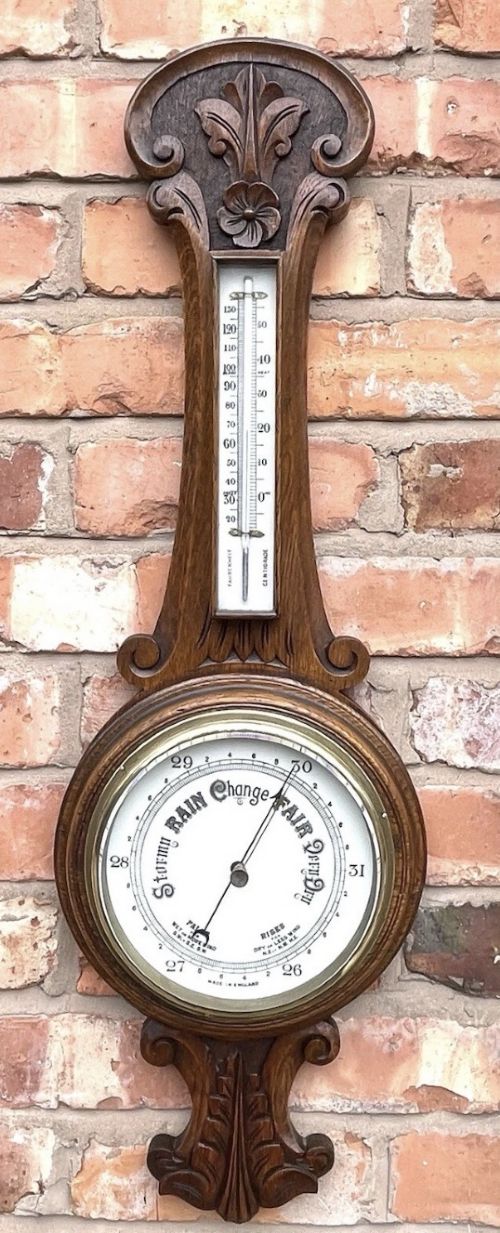
When you search for a traditional wall barometer, you encounter instruments housed in timber casings designed to hang on interior walls. The selection on this page relies heavily on Victorian and Georgian examples, showing how pressure changes were monitored across British homes.
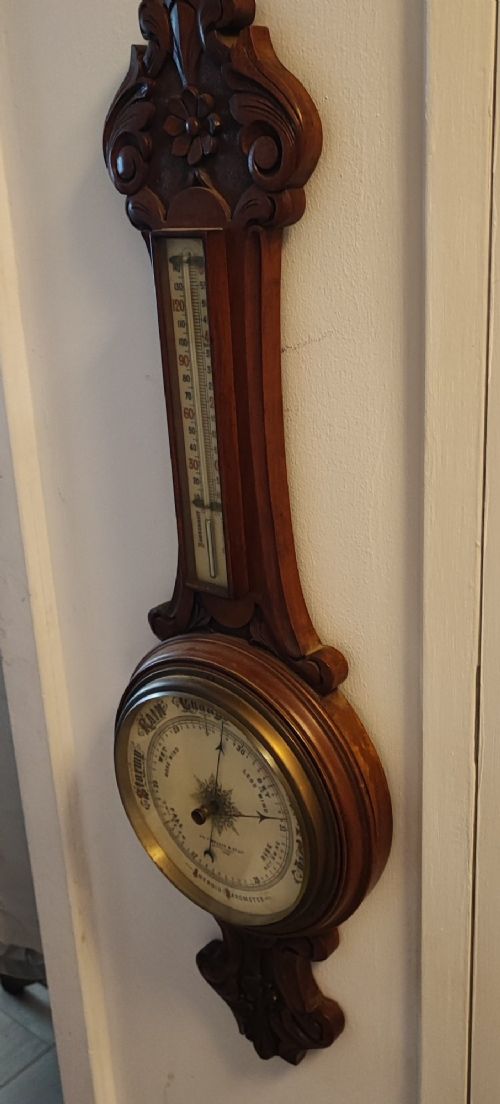
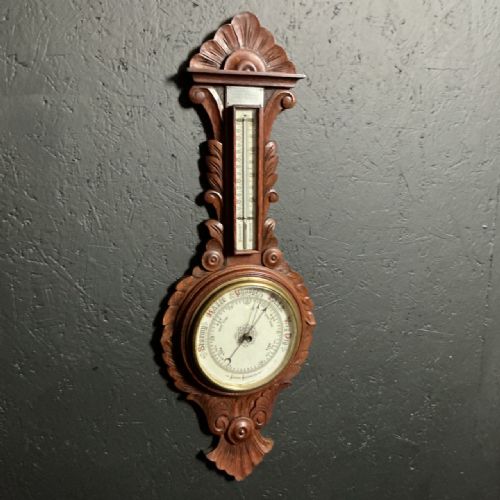
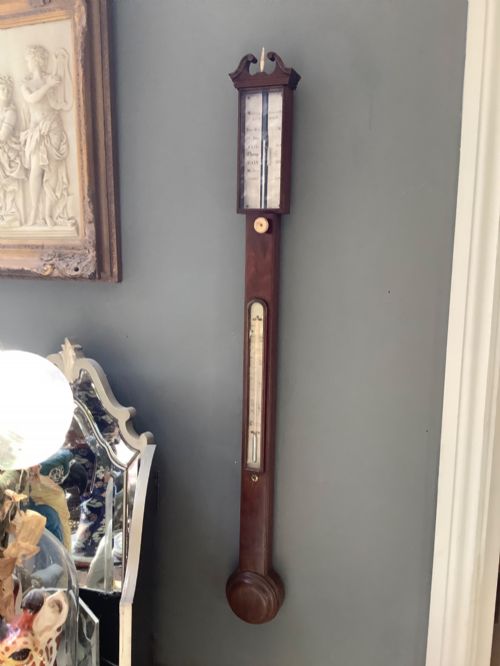
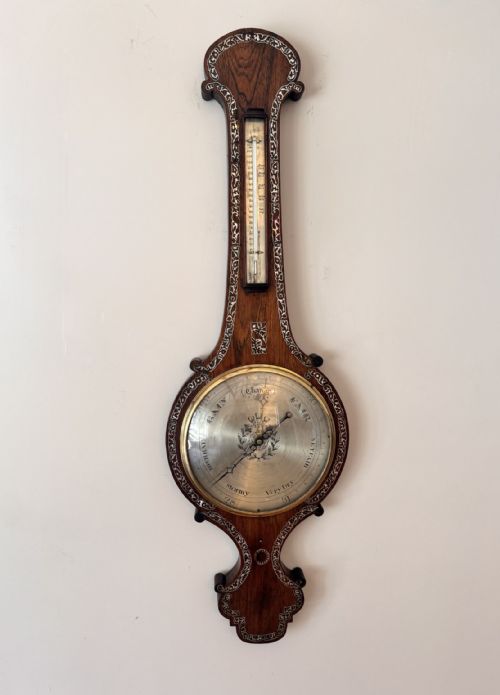
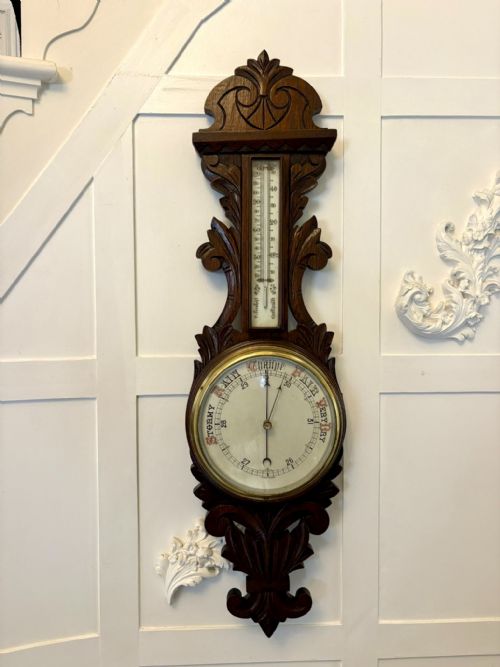
The most common version you meet is the banjo or wheel barometer, which dominates the inventory alongside stick barometers and circular models. These pieces frequently incorporate thermometers or combined clock faces within carved or inlaid timber frames.
Origins stretch from the late eighteenth century through the Edwardian era, capturing both domestic makers and specialist opticians. Oak, mahogany and walnut cases prevail, reflecting the prevailing furniture timbers of each period.
Timbers and dials
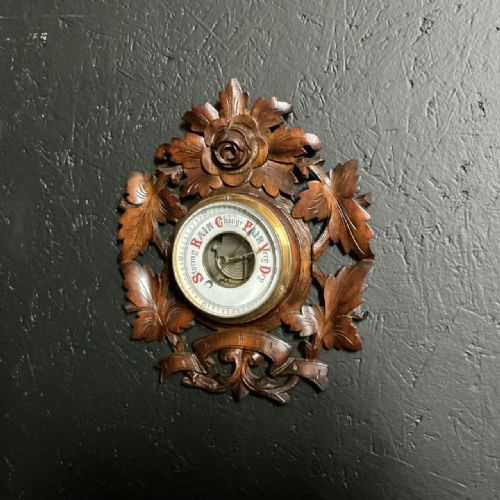
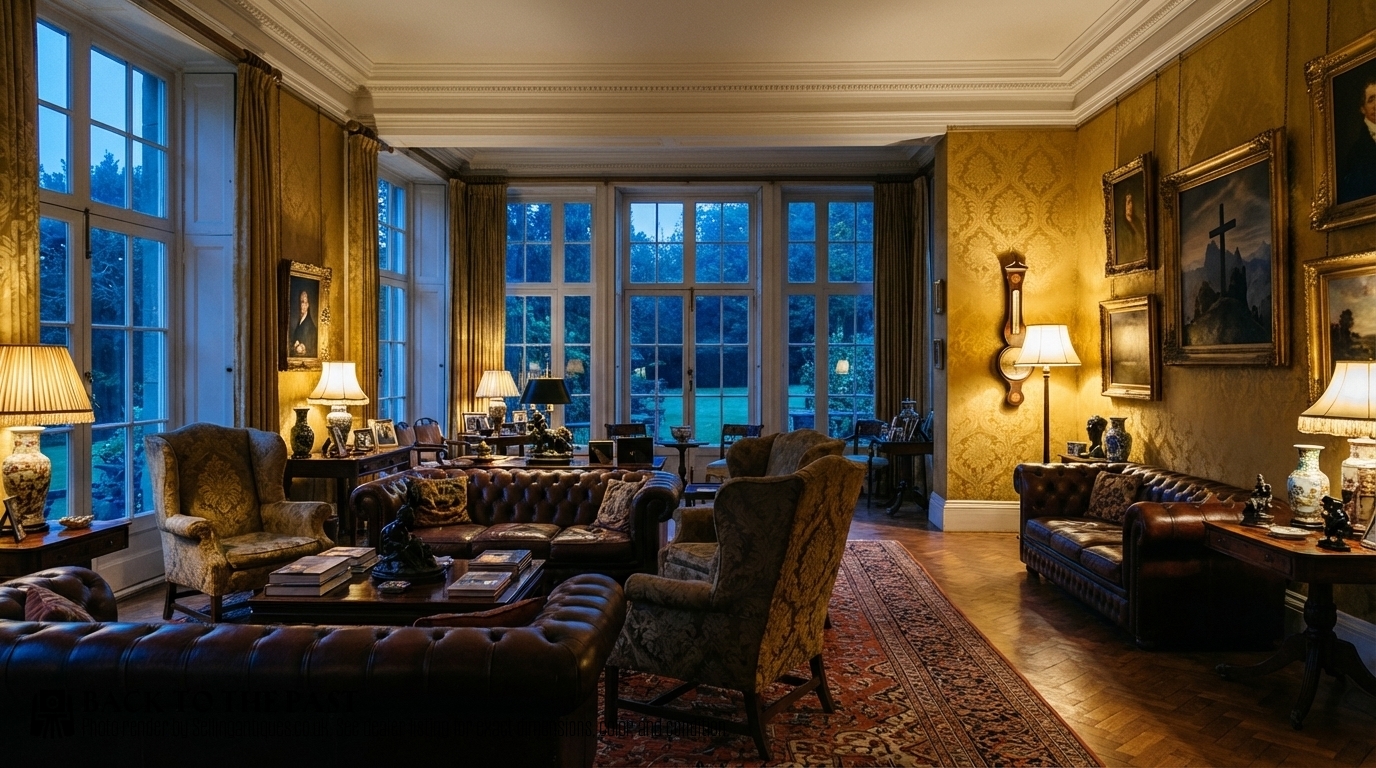
Cases are constructed from solid and veneered hardwoods including oak, mahogany, walnut, rosewood, beech and carved wood. Cabinetmakers shaped these timbers into stick frames or rounded banjo bodies, occasionally embellished with mother of pearl inlay or Black Forest carving.
Dials and internal mechanisms utilise brass, silvered metal and glass to display pressure readings. Mercury or aneroid systems translate atmospheric shifts onto engraved scales, paired with bone or silvered thermometer plates.
Traditional Wall Barometer Retail Price Guide 2026
Typical asking prices for traditional wall barometer among the pieces listed under this phrase on Sellingantiques today, from the lower quarter to the upper quarter. They describe what is for sale here now, not the wider market.
Admiral Fitzroy lent his name to nineteenth century storm barometers, ensuring every Victorian front hall could double as a naval deck.
Assessing craftsmanship and casework
Quality separates through the crispness of the timber carving and the complexity of the case silhouette. Finer examples display figured mahogany or burr walnut veneers, detailed stringing and intact architectural mouldings rather than plain surfaces.
The sophistication of the maker also dictates distinction, as signed dials from established instrument makers command attention. Clear silvering on the metal scales and well-preserved glass bezels preserve the legibility and integrity of the original face.
Negretti & Zambra·Maple & Co·James H Kelly·Jenkins Of Old Swindon·Vecchio & Co
The Traditional Wall Barometer Glossary
- Aneroid barometer
- An instrument that measures air pressure using a flexible metal box without liquid mercury. This design became widespread during the nineteenth century for domestic wall instruments.
- Stick barometer
- A tall, narrow instrument that houses a vertical mercury tube exposed at the top and bottom. This form represents the earlier Georgian style of pressure measurement.
- Banjo barometer
- A wall barometer shaped with a circular dial at the top and an extended, bulbous body below. It is often referred to as a wheel barometer in period records.
- Silvered metal
- A brass or copper dial treated to give a matte silver finish before being engraved with numbers and weather descriptions. This provides high contrast against the dark timber cases.
- Black Forest style
- Heavy, naturalistic wood carving featuring foliage and animal motifs derived from central European traditions. Victorian makers adopted this aesthetic for domestic oak and walnut cases.
Traditional Wall Barometer: Frequently Asked Questions
What is an aneroid barometer?
An aneroid barometer measures atmospheric pressure through the expansion and contraction of a sealed metal capsule inside the case. This mechanical movement removes the need for liquid mercury.
Such designs proved popular for domestic wall pieces during the Victorian and Edwardian periods, offering a stable mechanism for home use.
How do stick and banjo barometers differ?
Stick barometers feature a simple, elongated vertical wooden trunk that houses the mercury tube directly. They represent earlier forms focused purely on direct reading.
Banjo barometers expand this format into a rounded top section with a dial, flowing down into a widened base that frequently contains a thermometer or hygrometer.
Where should I hang a wall barometer?
Hang your barometer on an interior wall away from direct heat sources, open windows, and heavy vibrations. Stable indoor conditions ensure the internal mechanical linkages operate accurately.
Most traditional cases feature a sturdy hanging bracket at the top rear designed to support the weight of the timber and glass.
How do I identify the period of a barometer?
Dating relies on examining the timber species, case silhouette, and dial engraving style. Georgian pieces typically show simple stick formats or classic mahogany banjo outlines.
Victorian and Edwardian versions introduce heavier carved oak, walnut, Black Forest motifs, and more elaborate mother of pearl inlay work.