



Victorian Display Dome
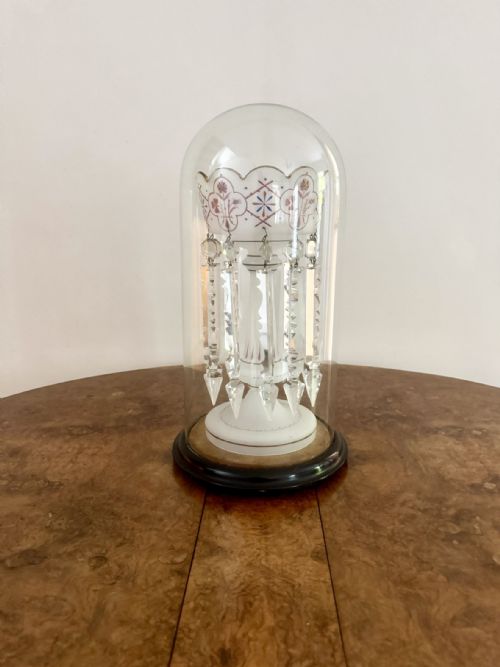
When you choose a Victorian display dome, you select a glass vessel designed to preserve and showcase natural history specimens or decorative objects.
Victorian Display Dome
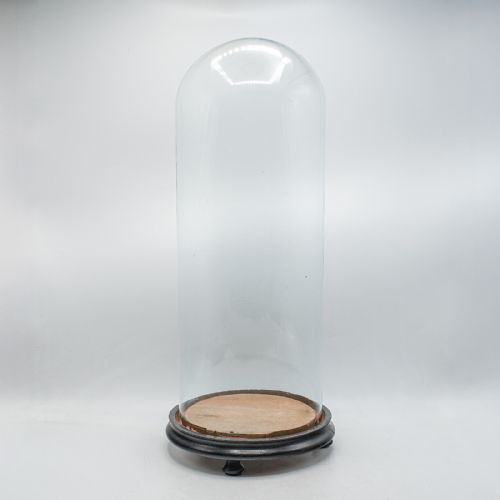
A Victorian display dome serves as a protective enclosure for delicate ornaments, taxidermy, and botanical arrangements. These glass covers rest upon wooden bases made from materials such as ebonised wood, mahogany, oak, or pine.
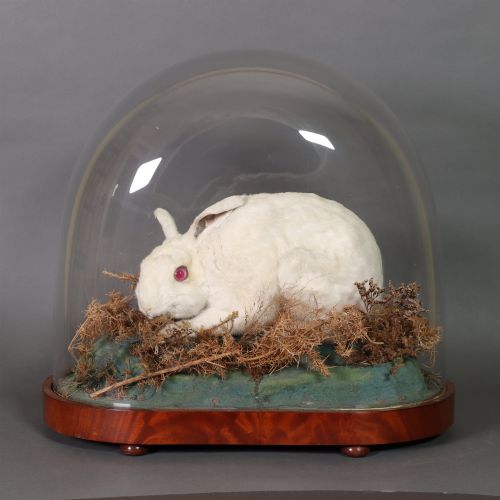
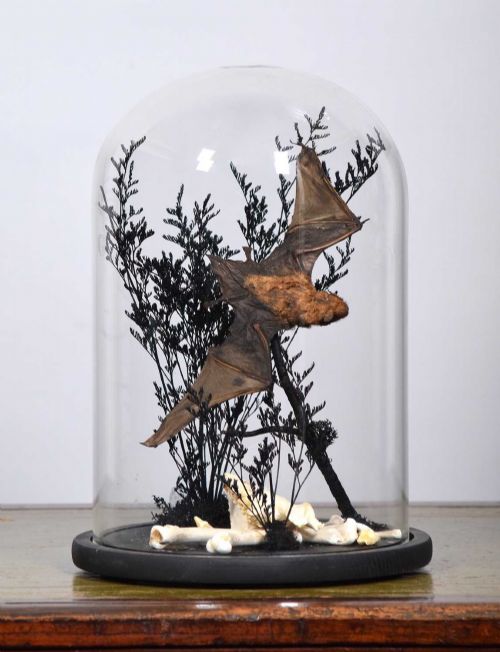
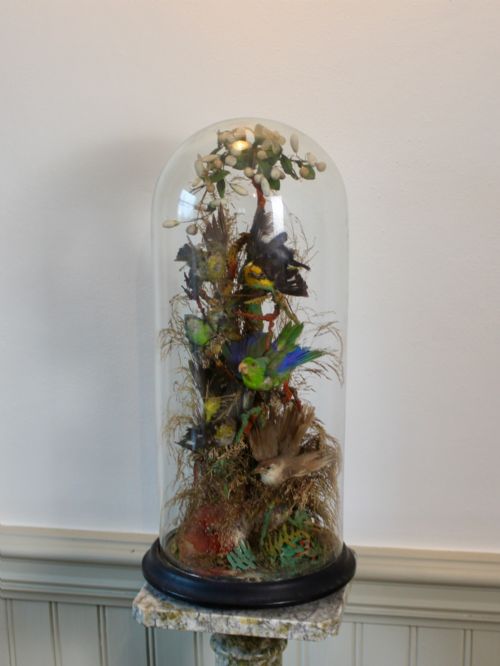
The objects preserved beneath the glass range from taxidermy birds and small animals to French beadwork bouquets and silk flower displays. Specimens often include birds of paradise, owls, bats, and rabbits arranged in naturalistic compositions.
Most examples date from the nineteenth century into the Edwardian era, spanning the Victorian period proper as well as later variations. Common forms include tall ovoid domes, wide specimen showcases, and flat-sided enclosures designed for tabletops and dressing tables.
How they were made
The enclosures consist of hand-blown glass bells paired with timber plinths shaped from pine, mahogany, oak, or ebonised wood. Some bases incorporate mirrored plates or velvet and felt linings to support the internal displays.
Internal compositions utilise wire, fabric, and feathers alongside preserved animal specimens or handcrafted beadwork bouquets. The glass covers are formed through traditional blowing techniques, resulting in individual variations in height, width, and optical clarity.
Some nineteenth-century display domes preserve unusual taxidermy subjects, including albino rabbits and long-eared owls.
What varies in quality
Superior examples display exceptional clarity in the hand-blown glass cover, free from heavy distortion or excessive bubbles. The accompanying wooden base demonstrates refined joinery, often utilising dense hardwoods like mahogany or precisely ebonised timber.
The intricacy and preservation of the internal contents dictate the distinction of individual pieces. Elaborate taxidermy compositions attributed to known practitioners or intricate French beadwork arrangements command greater interest than simpler single-specimen displays.
James Gardner·Henry Ward·A Pollard·Davis and Co
The Victorian Display Dome Glossary
- Cloche
- A bell-shaped glass cover utilised for protecting plants, food, or delicate decorative objects. The term derives from the French word for bell.
- Ebonised wood
- Timber treated with a dark stain or finish to imitate ebony. This material appears frequently on the round or oval bases of nineteenth-century display cases.
- Taxidermy
- The art of preparing, stuffing, and mounting the skins of animals for display. Victorian examples often arrange birds and small mammals in naturalistic interior settings.
- Diorama
- A three-dimensional scene containing models or taxidermy specimens arranged in a lifelike setting. These arrangements sit securely beneath a glass dome to prevent dust accumulation.
- Vitrine
- A glass-sided cabinet or showcase designed for displaying fine objects and curiosities. Similar to dome bases, these fixtures protect fragile interior contents.
Victorian Display Dome: Frequently Asked Questions
What fits inside a Victorian display dome?
These glass covers house taxidermy specimens, botanical arrangements, and decorative ornaments. Common contents include stuffed birds, animal skulls, and intricate silk or beaded flower bouquets.
Interior displays reflect nineteenth-century interests in natural history and parlour decoration. The protective glass environment ensures delicate materials remain undisturbed by dust.
Are the bases original to the glass?
Original bases typically consist of ebonised wood, mahogany, oak, or pine featuring a shallow groove to hold the rim of the glass securely in place. Many survive with their fitted plinths intact.
Differences in proportion or signs of alteration indicate whether a glass cover has been paired with a replacement base over time.
How do I identify an Edwardian dome?
Edwardian examples date from the early twentieth century, generally following the production methods of the preceding Victorian era. These pieces often feature taller proportions or simpler wooden plinths.
Distinguishing between periods depends on base construction materials, glass thickness, and the specific style of the internal taxidermy or decorative arrangement.