



Glass Bell Jar
These glass bell jar pieces are historic domestic covers and display cases designed to protect fragile specimens or ornaments.

What a glass bell jar is
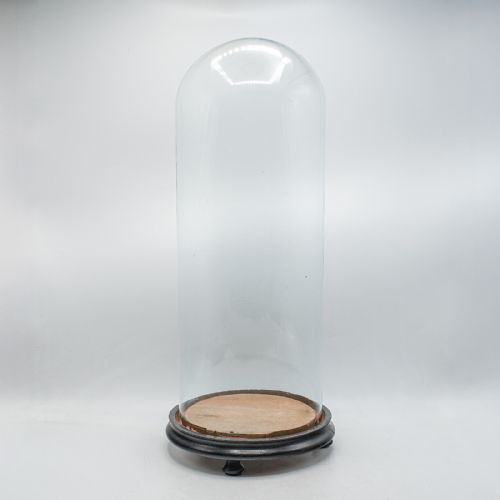
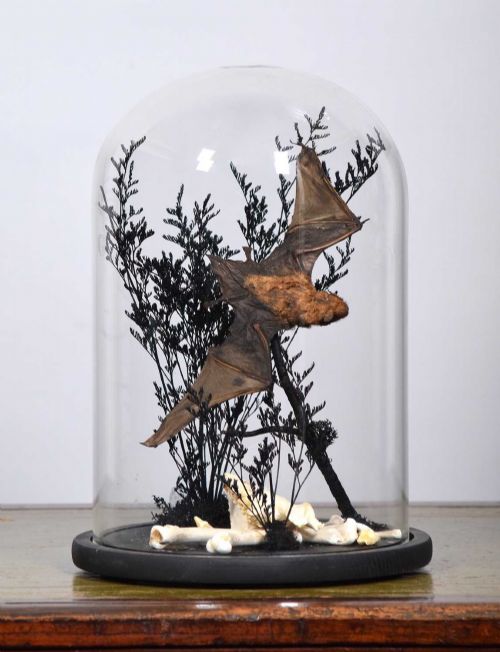
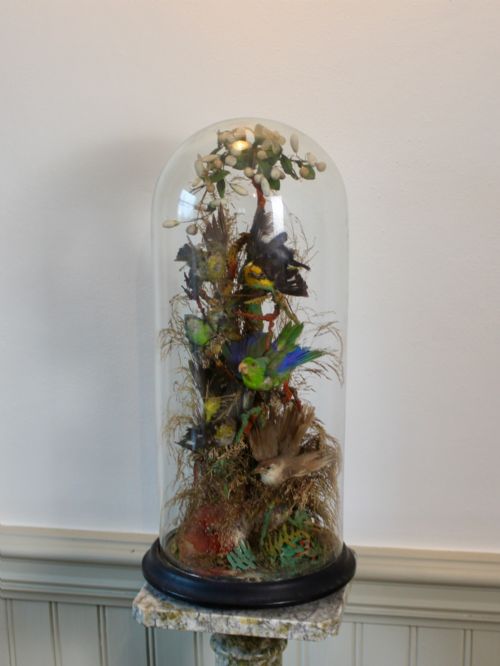
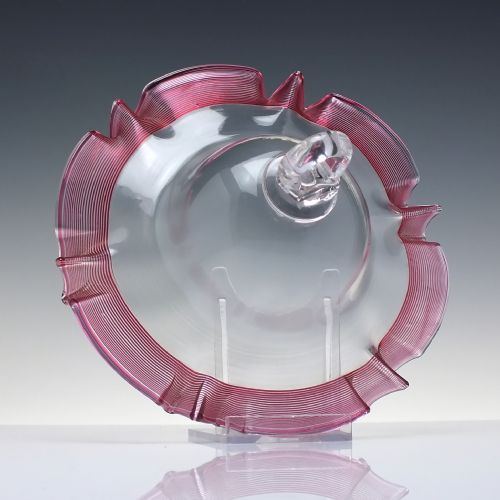
A glass bell jar serves to protect and display delicate objects such as taxidermy, specimens, dioramas and mantel clocks. They appear in forms from simple tall cylinders to oval and frosted vessels.
The specimens on this page originate predominantly from the Victorian and Edwardian eras, reflecting a period of intense interest in natural history and domestic collection.
Most examples sit upon fitted bases made of timber, beech, or ebonised wood, frequently lined with felt or fabric to cushion the display items.
How they were made
The transparent covers consist of blown glass, shaped by hand to create the characteristic bell or dome profile without modern industrial uniformity.
Bases are constructed from solid woods like beech and timber, finished with ebonising or simple polished surfaces, and lined internally with felt or fabric.
Retail Price Guide 2026
Typical UK retail prices for glass bell jar, calculated from the Sellingantiques database of over a million retail prices indexed since 2003. This retail price guide relies exclusively on Sellingantiques data; no external sources or auction records are used, so the figures do not describe the wider market.
Some Victorian specimens were known as professor's domes, housing peculiar anatomical or botanical oddities for private study.
What varies in quality
Quality separates in the clarity and weight of the blown glass, where older hand-blown vessels show subtle ripples and bubbles against more uniform modern manufacturing.
The finish of the wooden base dictates the overall dignity of the piece, with carefully turned timber and intact internal fabric linings sitting above simpler utilitarian mounts.
The Glass Bell Jar Glossary
- Bell jar
- A container shaped like a bell used for scientific experiments or to cover delicate objects. They provide an airtight or dust-free environment for fragile displays.
- Cloche
- A bell-shaped cover traditionally used in gardens or for food, adapted in interiors for display. The French term denotes its bell-like silhouette.
- Diorama
- A three-dimensional scene containing models or preserved specimens. Victorian examples under glass often depicted birds or botanical arrangements.
- Ebonised
- Wood treated with a stain or finish to imitate ebony. This dark finish provides a strong contrast to taxidermy and bright specimens.
Frequently Asked Questions
What fits under a glass bell jar?
These covers house taxidermy, botanical specimens, small clocks, and delicate ornaments.
Their primary historical role was keeping dust away from fragile interior displays.
How do I date a glass bell jar?
Dating relies on examining the manufacturing traits of the glass and the wood of the base.
Victorian and Edwardian pieces show specific timber treatments and hand-blown glass characteristics.
Are the wooden bases original?
Many examples retain their original beech, timber, or ebonised wood bases.
These platforms often feature internal grooves designed to hold the rim of the glass securely.
How should I clean the glass?
Historic glass requires gentle cleaning with a soft cloth and mild solution.
Avoid harsh pressure on hand-blown vessels which may possess thin spots or historic bubbles.