







Taxidermy Display Case
When you want a taxidermy display case, you are looking at preserved specimens housed behind glass from the Victorian and Edwardian periods.
Taxidermy Display Case
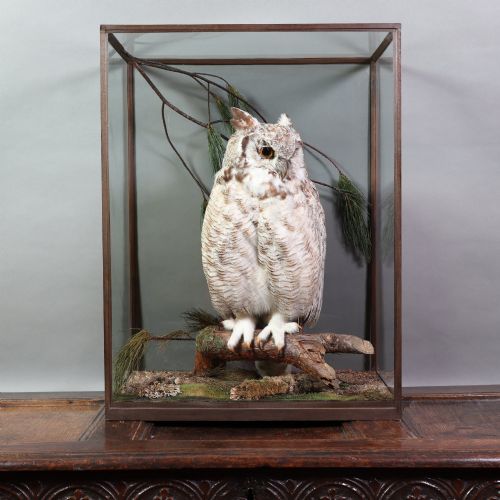
A taxidermy display case brings preserved animal specimens into domestic interiors, often taking the form of wooden boxes with glass fronts, wall cabinets, or glass domes placed over bases. These items originate predominantly from the Victorian and Edwardian eras, spanning the late nineteenth and early twentieth centuries.
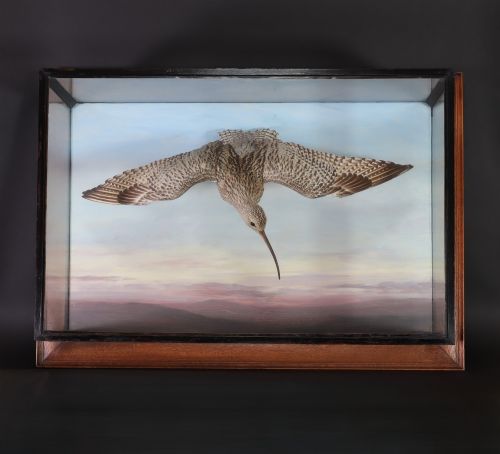
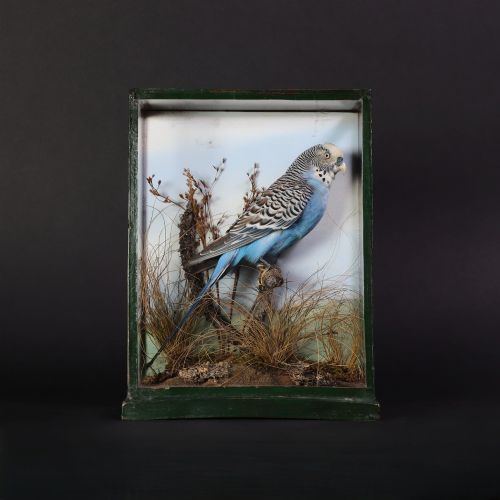
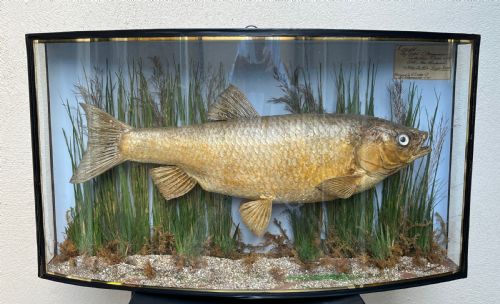
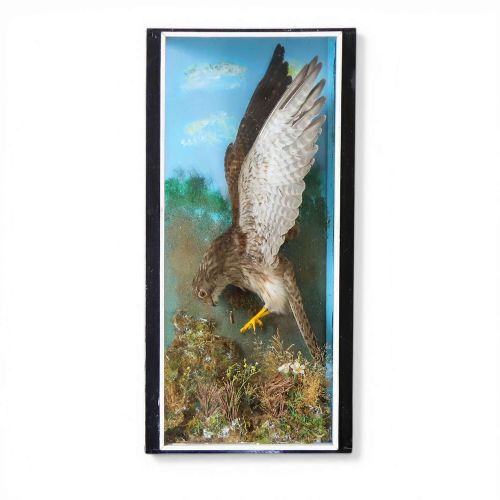
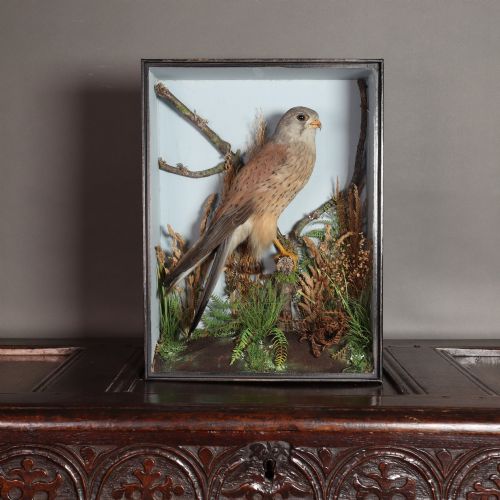
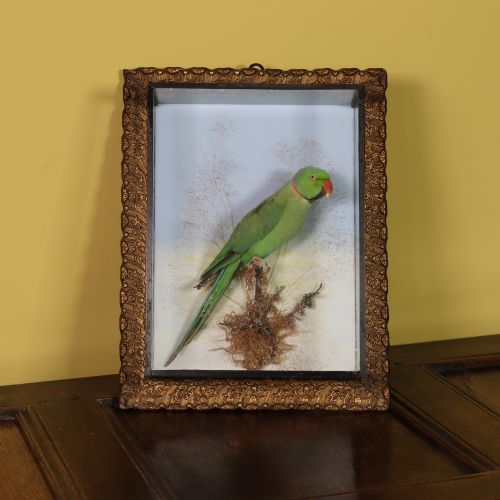
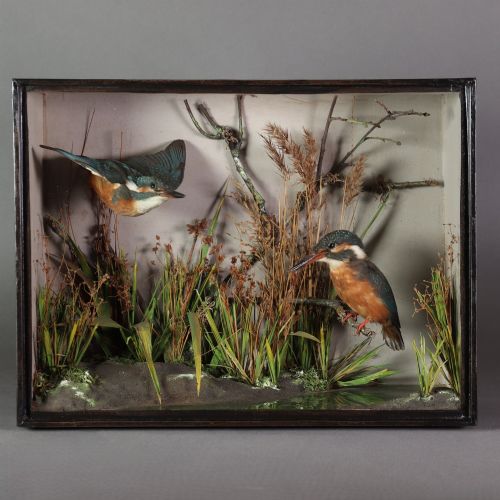
The specimens inside range from single birds like owls, kestrels, and kingfishers to fish such as roach, tench, and carp, alongside mammals including badgers, otters, and dogs. Many examples present birds and animals arranged in naturalistic settings featuring painted backdrops, moss, paper foliage, and fabric snow scenes.
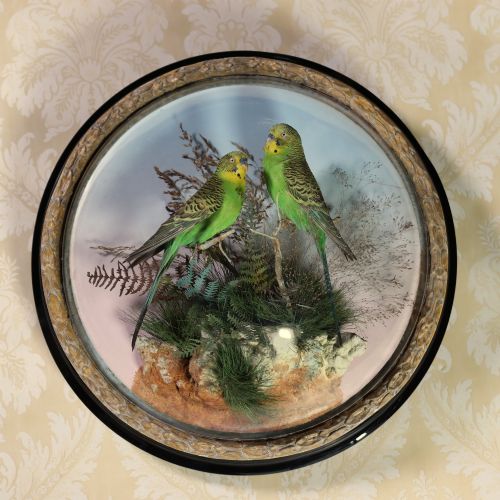
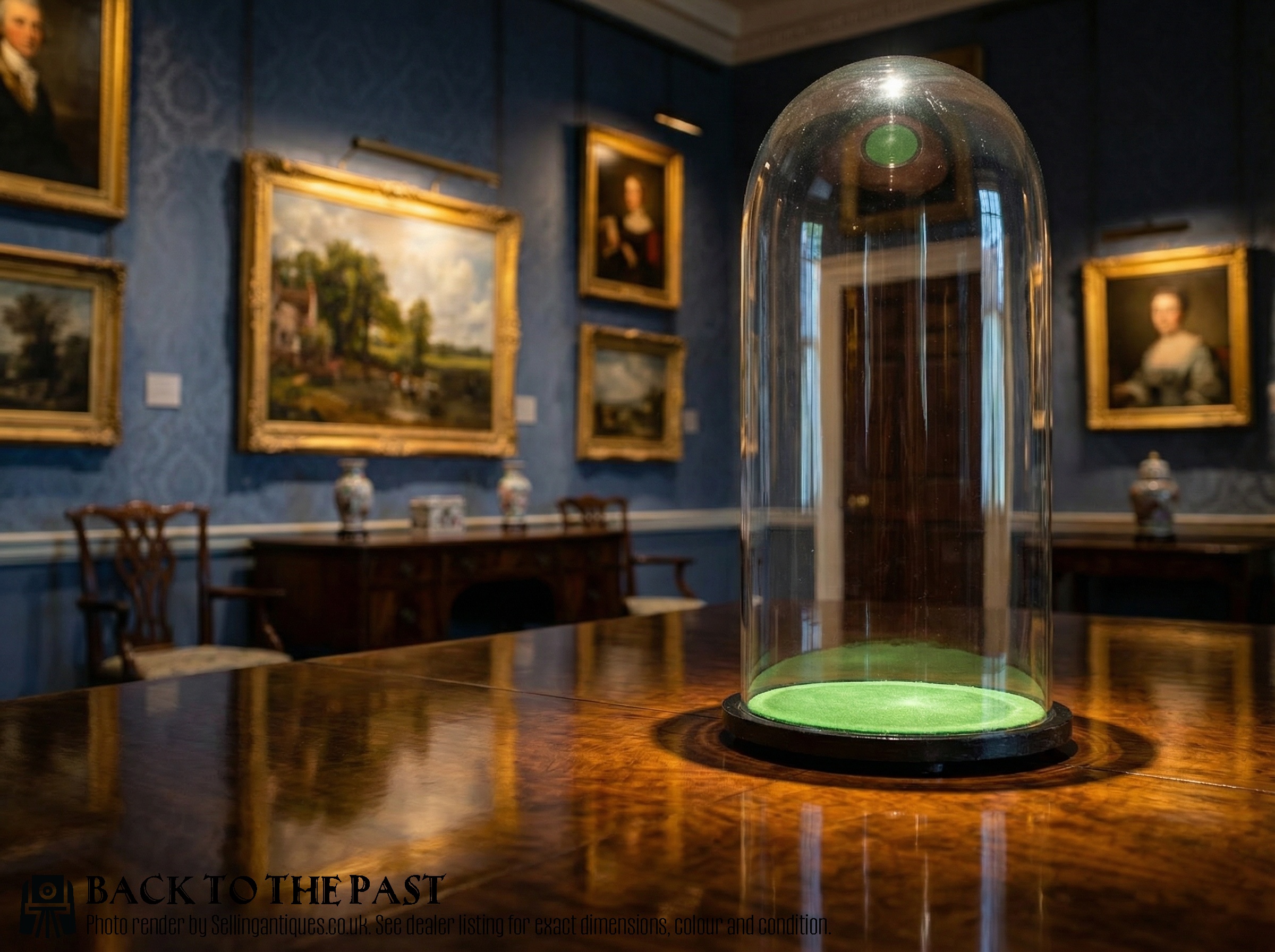
Beyond enclosed boxes and framed picture cases, buyers frequently encounter glass display domes and cloches mounted on wooden bases to protect delicate feathers and specimens. These pieces reflect a historical enthusiasm for natural history and domestic curiosity cabinets.
How they were made
Maker workshops constructed these enclosures using timber frames, ebonised wood, mahogany, or oak, fitted with large panes of clear glass to protect the fragile interior. Inside these wooden and glass housings, taxidermists arranged preserved specimens alongside physical materials such as paper, fabric, moss, and feathers to replicate natural habitats.
Backdrops within the cases often featured painted scenes behind the birds or fish, giving a sense of depth to dioramas of owls, ducks, or wading birds. Bases were frequently turned from solid wood or finished with ebonised treatments, supporting glass domes or housing wall-mounted cabinets.
Taxidermy Display Case Retail Price Guide 2026
Typical asking prices for taxidermy display case among the pieces listed under this phrase on Sellingantiques today, from the lower quarter to the upper quarter. They describe what is for sale here now, not the wider market.
What varies in quality
The distinction between standard commercial work and master craftsmanship rests in the realism of the taxidermy mount and the complexity of the interior diorama. Cases produced by renowned natural history establishments demonstrate superior anatomical accuracy in the preserved specimens and greater artistic skill in the arrangement of naturalistic settings.
Materials and construction details also differentiate the range, with superior examples utilising substantial hardwoods like mahogany, well-fitted glass panes, and detailed painted backgrounds rather than plain interiors. The presence of documented maker signatures or labels from established taxidermists elevates the standing of an individual piece.
Little & Co·J Griffiths of Burford·Rowland Ward Ltd·T. E. Gunn·William Bazeley & Sons·S. King·Hutchings of Aberystwyth·James Jones·J. Cooper & Sons·James Gardner·W.F. Homer London·Davis & Co, Bristol
The Taxidermy Display Case Glossary
- Cloche
- A bell-shaped glass cover used to protect delicate items such as taxidermy specimens or clocks. These glass covers sit directly upon circular wooden bases.
- Diorama
- A three-dimensional scene depicting animals within a simulated natural habitat. These settings often incorporate painted backgrounds, moss, and paper foliage.
- Ebonised wood
- Timber treated with a dark finish to imitate the appearance of ebony. This dark wood framing is common on nineteenth-century display cases.
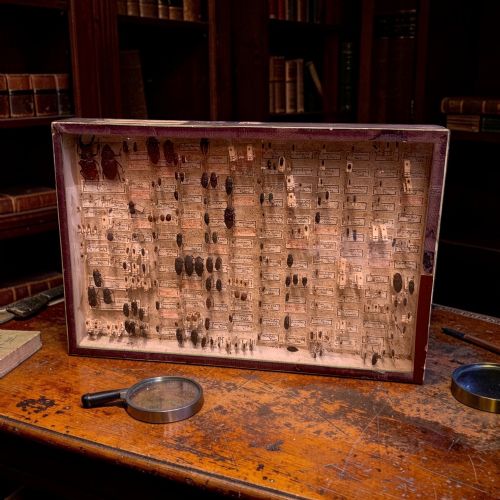
- Entomology case
- A shallow wooden enclosure designed specifically for housing preserved insects. These specialised boxes protect fragile collections behind glass lids.
- Dome
- A curved glass cover used alongside a wooden base to exhibit preserved specimens. They appear in tall proportions or flat-sided variants.
Taxidermy Display Case: Frequently Asked Questions
What animals are found in these cases?
The listings include a wide variety of British and exotic fauna, ranging from kingfishers, owls, and parrots to fish such as roach and carp.
Mammals such as badgers, otters, and dogs also appear, alongside larger multi-species groupings originating from overseas explorations.
How were taxidermy cases used historically?
These enclosures served as decorative objects and educational displays in Victorian and Edwardian homes, reflecting a widespread fascination with natural history.
They allowed collectors to study preserved specimens up close while protecting delicate feathers and fur from dust and damage in domestic spaces.
How do I care for a glass dome?
Glass domes require stable indoor environments away from direct sunlight to protect the fragile organic materials and coloured feathers housed inside them.
Cleaning should involve only gentle dusting of the exterior glass, as lifting the heavy dome can risk damaging the delicate specimen mounted on the base.
How can I tell an Edwardian case from a Victorian one?
Dating relies primarily on stylistic shifts in cabinet making, with earlier nineteenth-century examples often featuring heavier ebonised woodwork and elaborate naturalistic backdrops.
Edwardian pieces sometimes display cleaner lines in the oak or mahogany frames, though many traditional taxidermy methods persisted across both eras.