


Antique Taxidermy Dome
An antique taxidermy dome protects delicate preserved specimens beneath blown glass, bringing Victorian natural history directly into a modern room.
What these pieces are
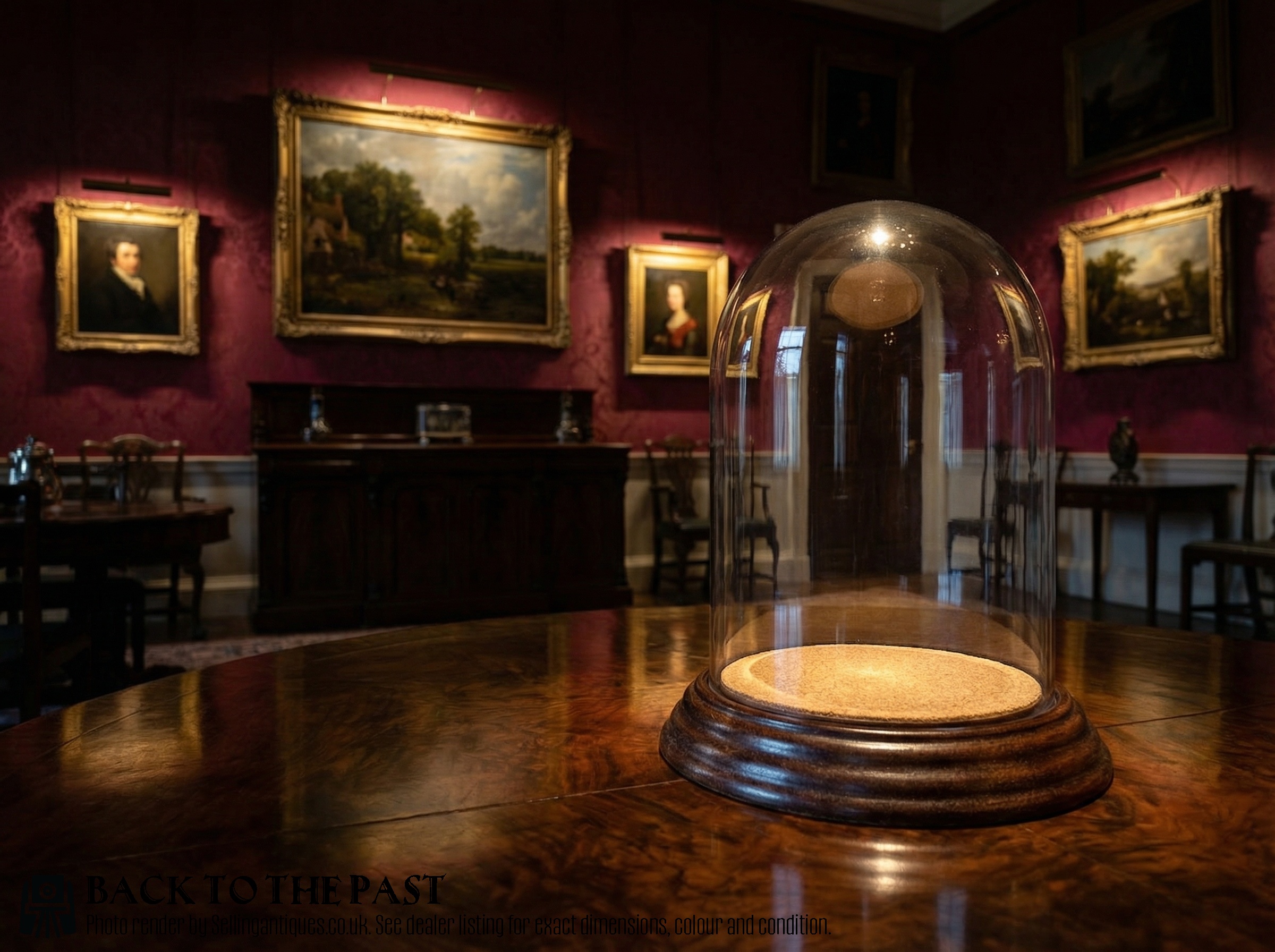
When searching for an antique taxidermy dome, you are looking at nineteenth and early twentieth century display pieces designed to preserve and showcase natural specimens. These assemblages combine blown glass covers with fitted bases made to protect fragile mounts from dust and handling.
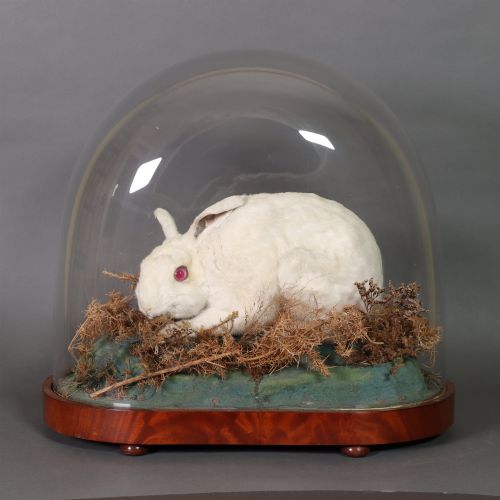
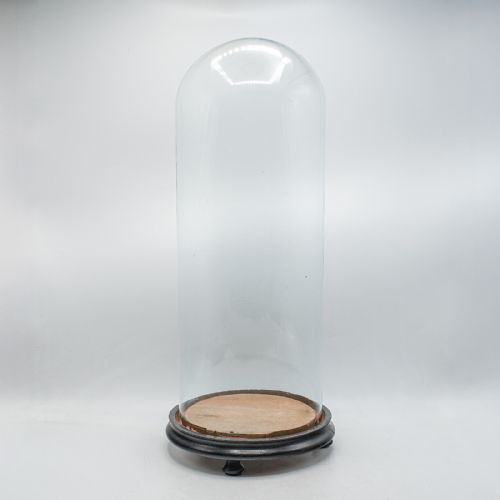
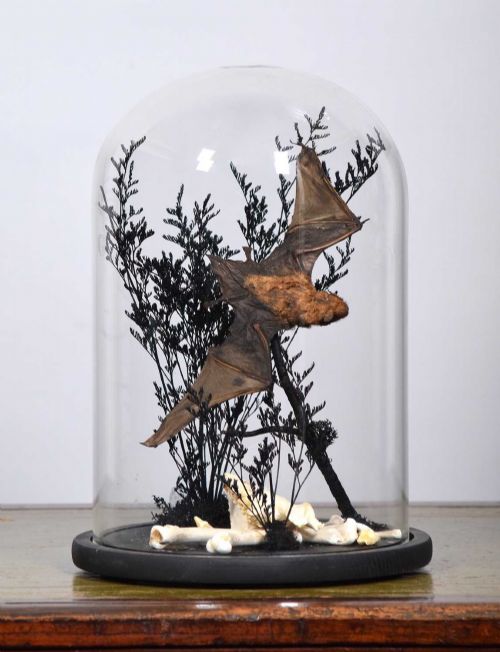
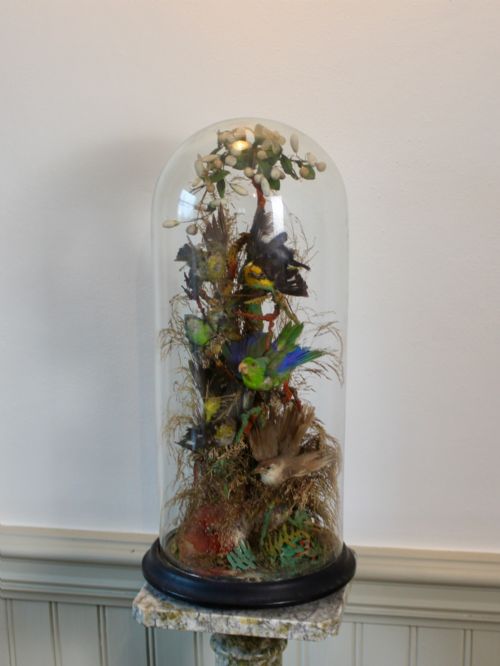
The versions you are most likely to meet on this page span the Victorian and Edwardian eras, taking the form of tall specimen cylinders, tableaus featuring exotic birds, or compact housings for single animals like bats and fish. English examples dominate the selection, frequently paired with ebonised or mahogany timber stands.
Makers ranged from professional taxidermists mounting vibrant birds of paradise to scientific suppliers creating tall professor specimen vessels. Whether housing a pair of birds or a single piranha, each dome offers a preserved window into nineteenth century natural history collecting.
How they were made
Inside the glass, taxidermy specimens utilised bone, feathers, and preserved biological materials arranged to mimic natural habitats. Craftsmen secured these delicate mounts carefully to the base before sealing the glass bell firmly into place.
Retail Price Guide 2026
Typical UK retail prices for taxidermy dome, calculated from the Sellingantiques database of over a million retail prices indexed since 2003. This retail price guide relies exclusively on Sellingantiques data; no external sources or auction records are used, so the figures do not describe the wider market.
Listings feature items spanning the Victorian and Edwardian periods, utilising materials such as blown glass, ebonised wood, and feathers.
What varies in quality
Quality in these display pieces depends largely on the clarity and thickness of the blown glass cover, alongside the complexity of the internal taxidermy arrangement. Thicker glass with fewer bubbles indicates superior manufacture, while simple single-specimen housings contrast with elaborate multi-bird Victorian tableaus.
The joinery and finish of the timber base further distinguish standard utilitarian vessels from exhibition-grade showcases. Attributions to notable taxidermists or the inclusion of mirrored panels elevate the ambition and overall visual impact of the piece.
Henry Ward London·A Pollard·Davis & Co Bristol
The Antique Taxidermy Dome Glossary
- Bell Bottom Display Dome
- A glass cover featuring a flared lower edge designed to sit neatly within a recessed wooden groove. This shape was common during the Edwardian period for general showcase duty.
- Ebonised Wood
- Timber treated with a dark finish to imitate expensive ebony wood. It provides a stark, formal contrast to the bright plumage of Victorian taxidermy specimens.
- Cloche
- A bell-shaped glass cover used primarily to protect delicate tableaus or scientific preparations from dust. The term originates from the French word for a bell.
- Exhibition Taxidermy
- High-end mounting created specifically for public display or competitive natural history presentation. These complex arrangements often incorporated multiple exotic birds within a single glass dome.
- Specimen Dome
- A tall glass vessel utilised by academics and researchers to house singular anatomical or zoological examples. Professor specimens prioritised clarity and instructional value over decorative habitat backgrounds.
Frequently Asked Questions
What is inside an antique taxidermy dome?
These enclosures house preserved natural history specimens mounted by historical taxidermists. Common contents include exotic birds, fish, and small mammals.
The interiors often feature botanical elements, twigs, and painted backdrops designed to simulate the natural environment of the preserved creature.
Are Victorian and Edwardian domes different?
Victorian examples frequently display elaborate multi-specimen arrangements like birds of paradise or tall professor vessels with mirrored bases. They reflect a Victorian obsession with natural science and exploration.
Edwardian versions tend toward simpler, smaller formats with clean oak or ebonised wooden bases, focusing on individual specimens rather than grand tableaus.
How do you date an antique glass dome?
Dating relies heavily on the style of the wooden base, the thickness of the glass, and construction methods. Earlier nineteenth century pieces often feature heavier timber stands and hand-blown glass with subtle imperfections.
Makers' labels pasted beneath the base or specific taxidermy techniques can also help narrow the timeline between the 1870s and the 1910s.