



Clear Glass Dome
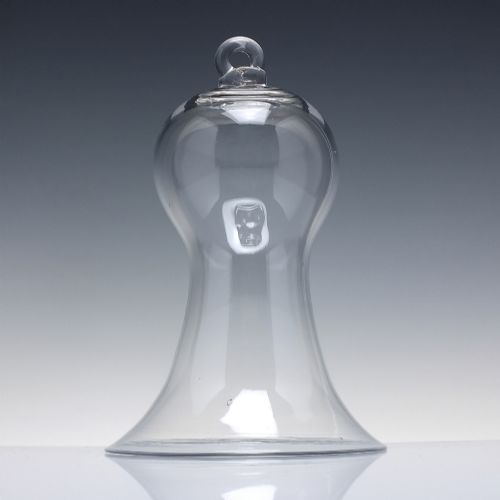
A clear glass dome preserves fragile curiosities while offering an unobstructed view from every angle.
Clear Glass Dome
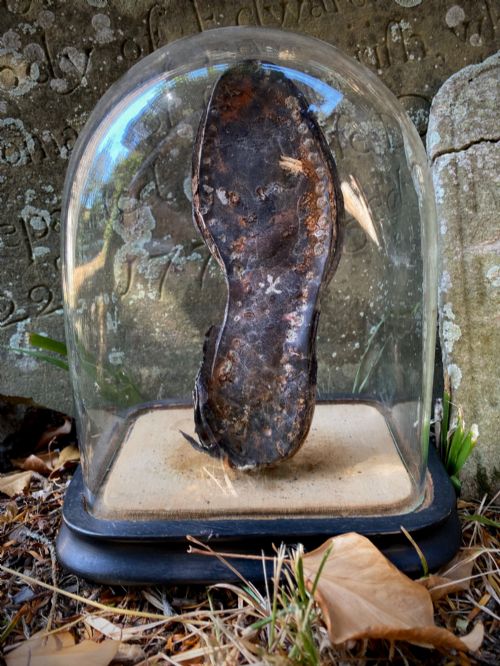
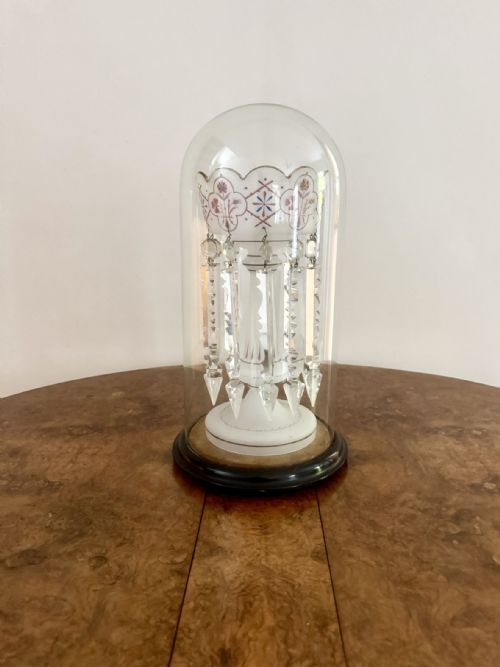
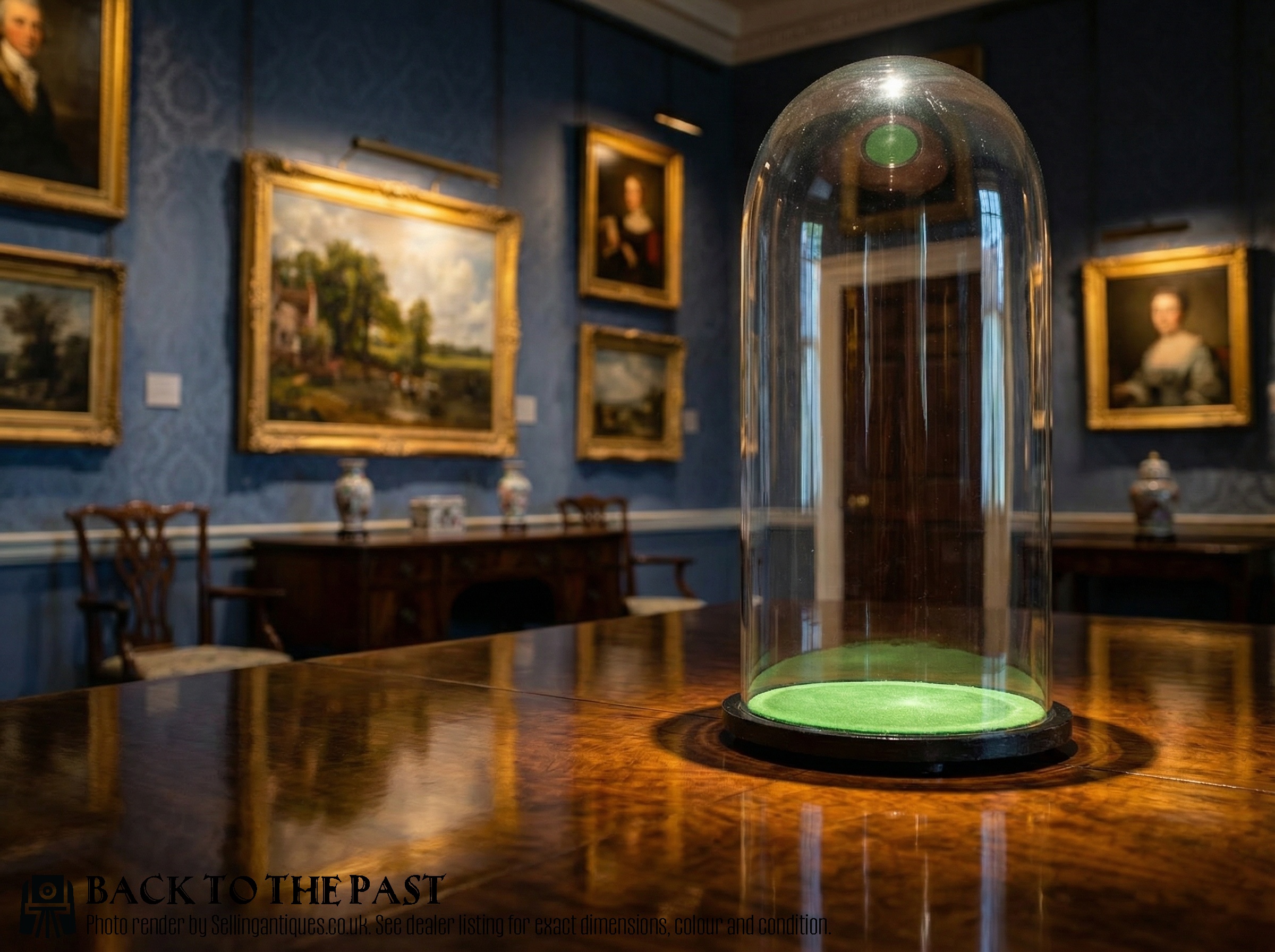
A clear glass dome is primarily encountered as a display vessel, designed to protect and exhibit taxidermy, clocks, or botanical specimens. Most examples on this page date from the Victorian and Edwardian periods, sitting upon wooden bases made of ebonised wood, oak, beech, or pine.
The form ranges from tall specimen cases intended for birds and mammals to oval collector enclosures and wide clock covers. While the phrase strictly denotes the glass cover itself, listings frequently include the fitted wooden plinth required to support it.
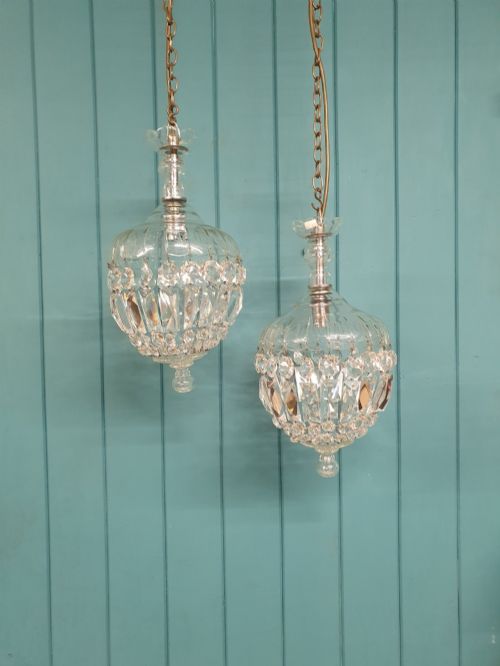
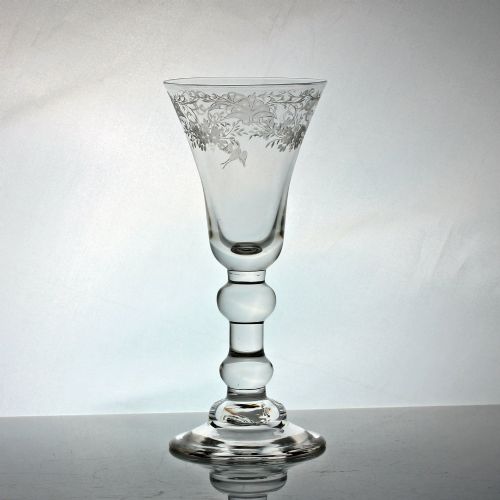
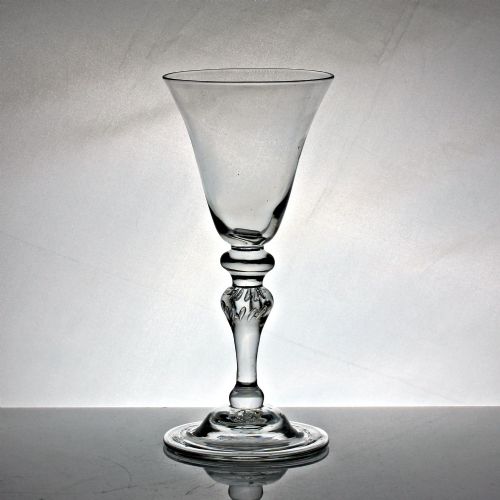
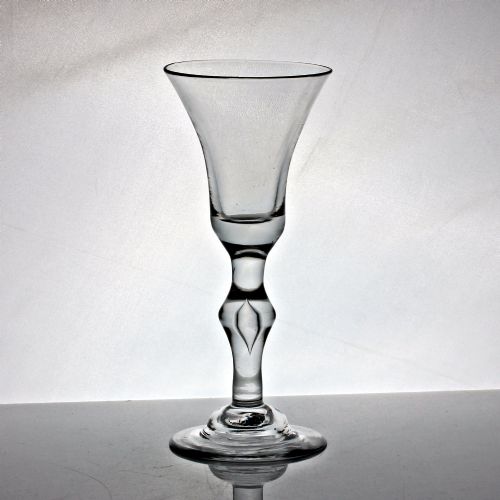
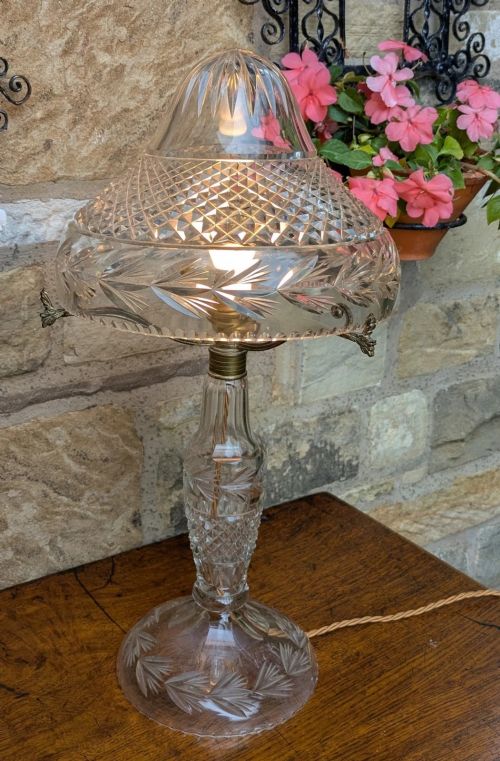
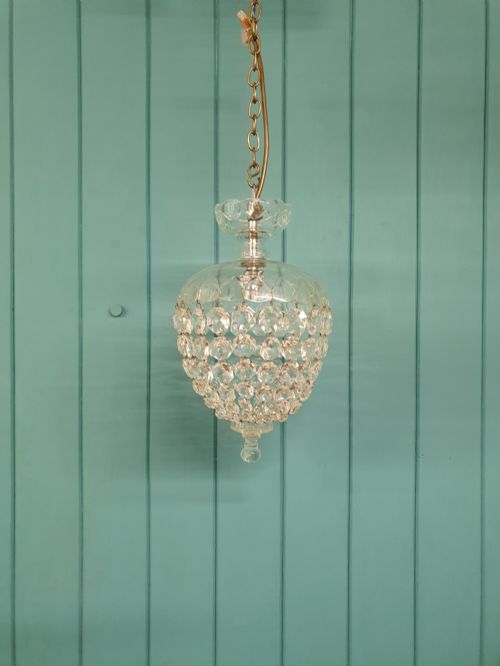
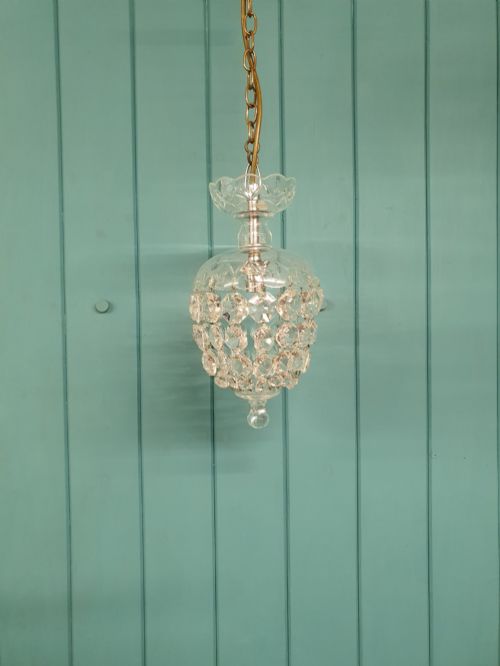
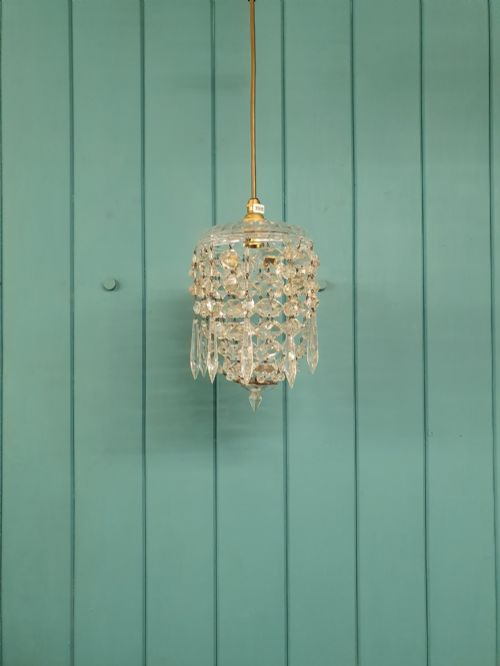
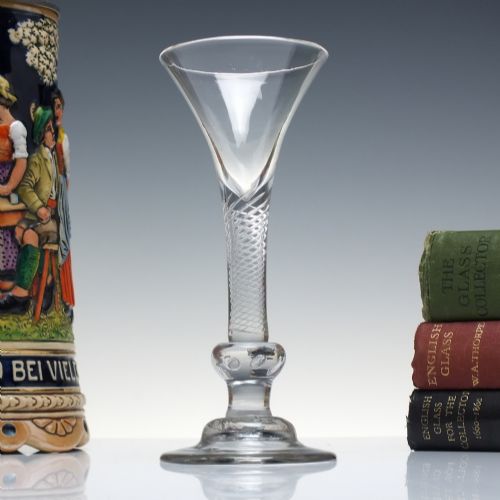
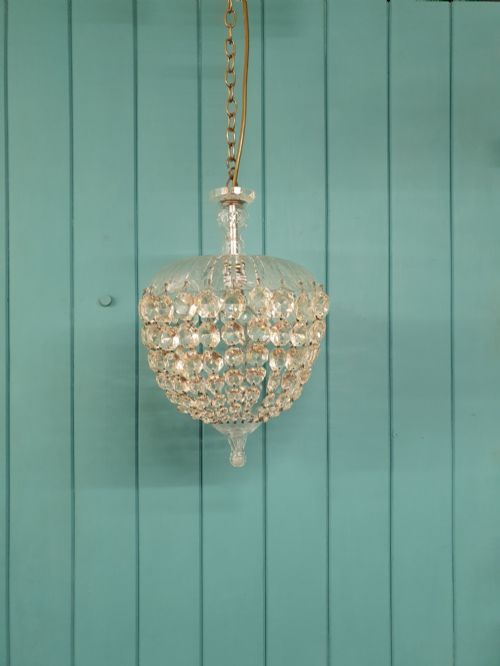
Beyond traditional taxidermy showcases, the search phrase encompasses related lighting and glassware that incorporate domed elements, such as chandeliers, table lamps, and wine glasses featuring domed feet.

Glass and timber construction
The glass covers were traditionally mouth-blown, resulting in slight thickness variations, small surface bubbles, and subtle ripples within the material. These characteristics distinguish older production methods from modern machine-pressed alternatives.
Bases are constructed from various timbers, frequently ebonised to provide a dark contrast against the transparent glass and the objects held inside. Some examples incorporate brass fittings, fabric linings, or turned wooden feet to elevate the display platform.
Clear Glass Dome Retail Price Guide 2026
Typical asking prices for clear glass dome among the pieces listed under this phrase on Sellingantiques today, from the lower quarter to the upper quarter. They describe what is for sale here now, not the wider market.
Several domes secretly moonlight as protectors for stuffed owls and clockwork mechanisms that have stubbornly refused to keep time for over a century.
Clarity and base craftsmanship
Quality in a clear glass dome relates to the purity of the blown glass and the absence of distracting distortion. Superior examples maintain an even thickness across the curve without severe waviness that obscures the interior display.
The execution of the wooden base dictates the overall standard of the piece. Finely turned mouldings, sound joinery, and well-preserved original finishes on the timber elevate the object above utilitarian specimens.
The Clear Glass Dome Glossary
- Cloche
- A bell-shaped glass cover originally used in gardens to protect seedlings, later adopted for interior display. It provides a simple, rounded shelter for delicate objects.
- Taxidermy showcase
- A glass dome paired with a wooden base, constructed to house prepared specimens of birds, insects, or mammals. These assemblies protect fragile displays from dust and atmospheric moisture.
- Ebonised wood
- Timber treated with a dark stain or chemical finish to imitate ebony. This material is frequently found on the circular or oval bases supporting Victorian display covers.
- Domed foot
- A raised, convex base found on certain antique wine glasses and candlesticks. This structural feature provides stability while altering the visual proportions of the stemware.
Clear Glass Dome: Frequently Asked Questions
What fits under a glass dome?
Antique display covers typically house taxidermy specimens, delicate artificial flowers, pocket watches, and small sculptures.
Collectors also utilise them to protect porcelain figurines, minerals, and intricate papercraft displays from dust and handling.
How do I clean an antique dome?
The glass cover requires careful lifting from its base and gentle washing with lukewarm water and mild detergent. A soft, lint-free cloth prevents scratching the old material.
Timber bases should be dusted with a dry cloth, avoiding liquid cleaners that might damage polished or ebonised surfaces.
Are wooden bases always original?
Many Victorian and Edwardian display covers retain their fitted wooden plinths, often featuring recessed grooves to seat the glass securely.
Replacement bases do occur when the original timber has suffered damage or loss over the decades of use.
How do I date a glass dome?
Dating relies heavily on the thickness and optical traits of the glass, alongside the timber choice and turning style of the base.
Victorian and Edwardian examples often display subtle irregularities from mouth-blowing, whereas later twentieth-century items show more uniform manufacturing.