
Antique Glass Globe
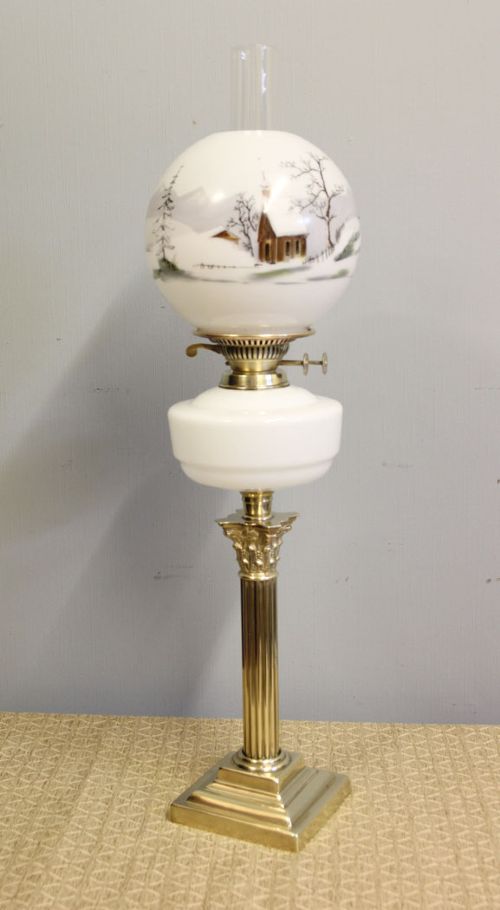
An antique glass globe brings a distinct quality of light and period form to a room, appearing across lighting and table vessels.
Antique Glass Globe
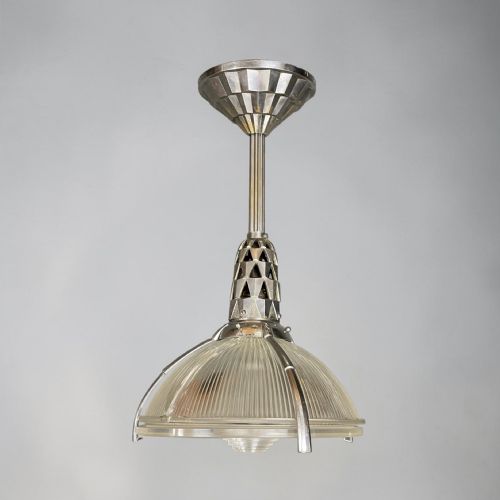
When you search for an antique glass globe, you encounter diverse objects spanning pendant lights, oil lamp shades, and decanters. The evidence shows these items originate from periods ranging from the eighteenth century through the 1930s, encompassing Georgian, Victorian, Edwardian, and Art Deco designs.
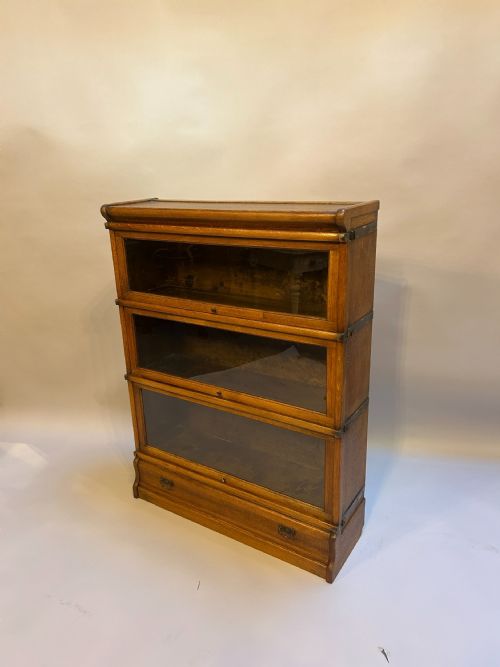
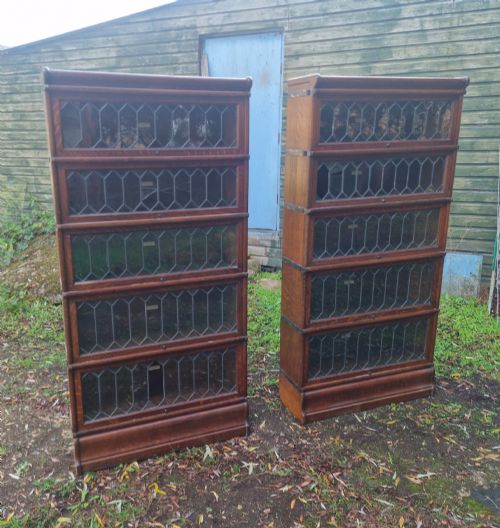
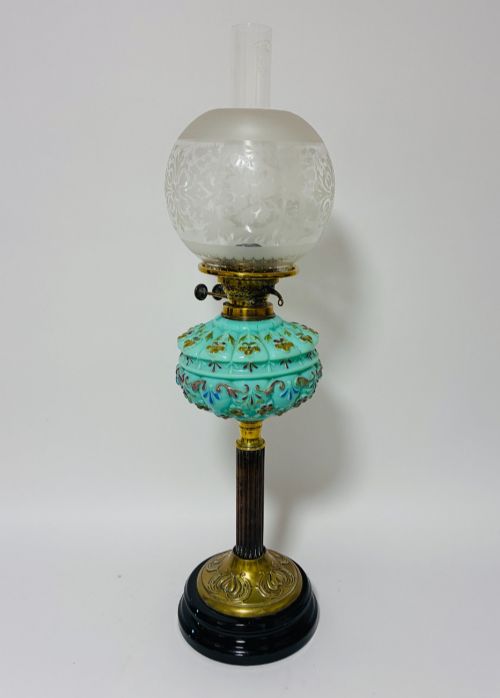
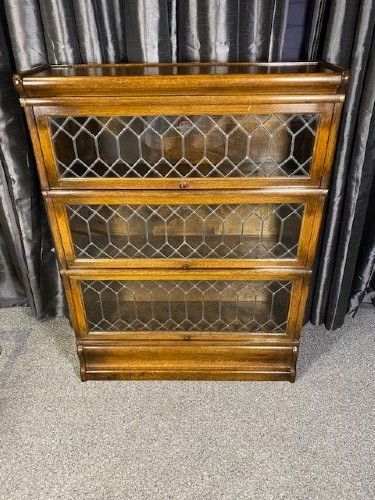
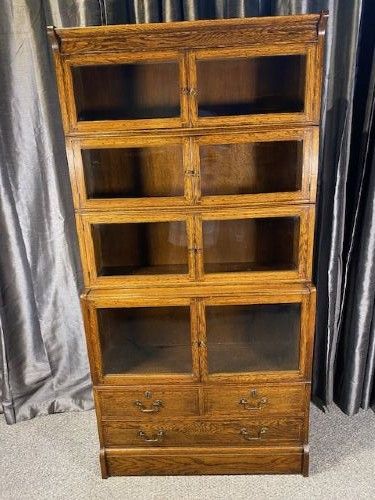
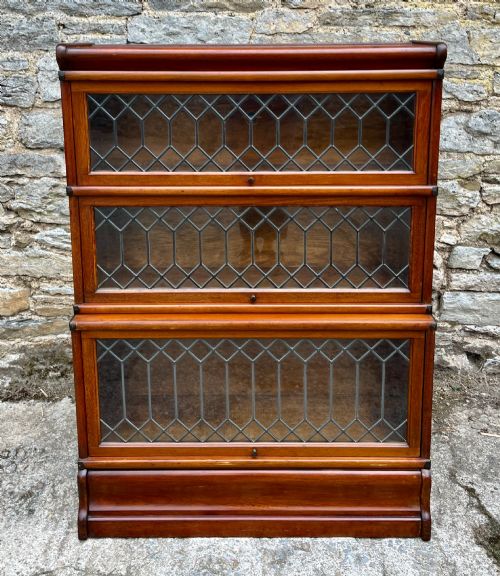
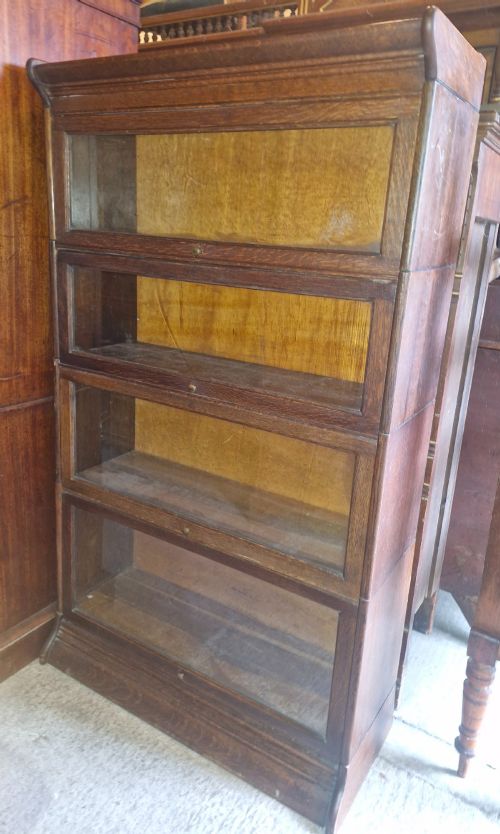
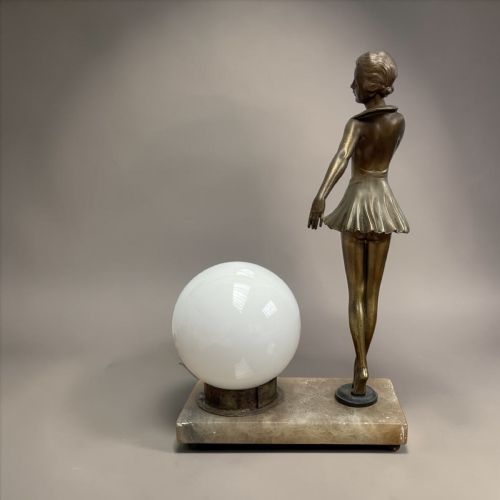
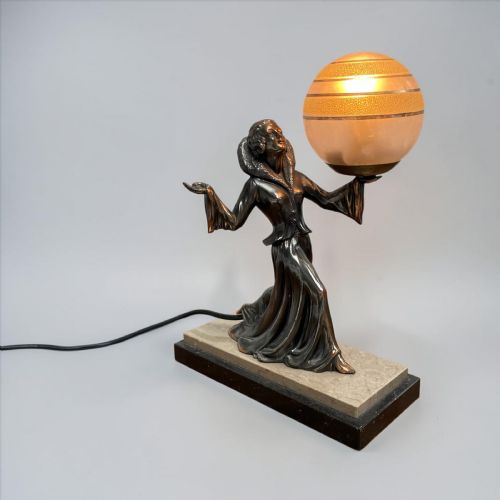
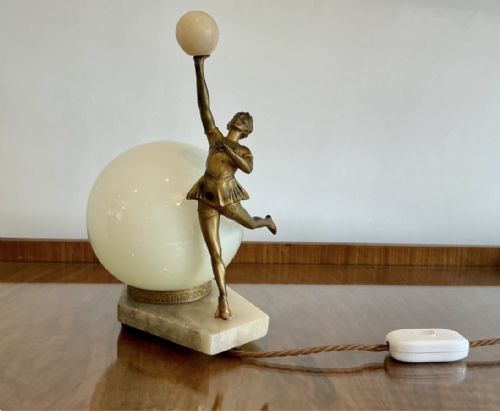
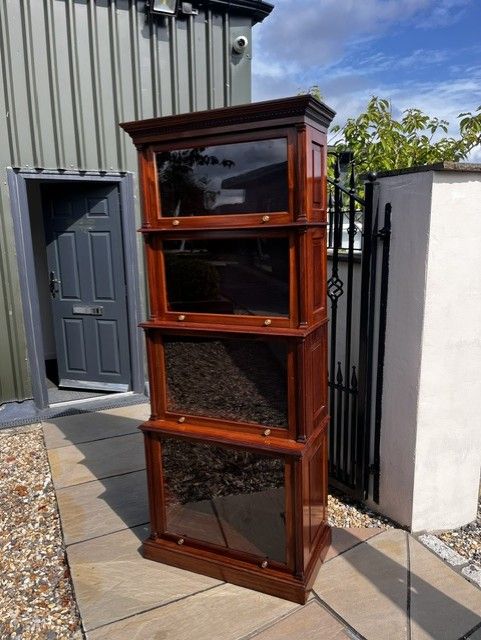
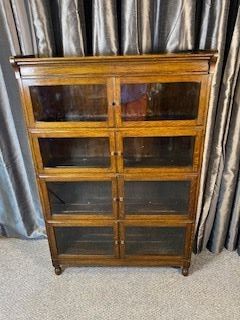
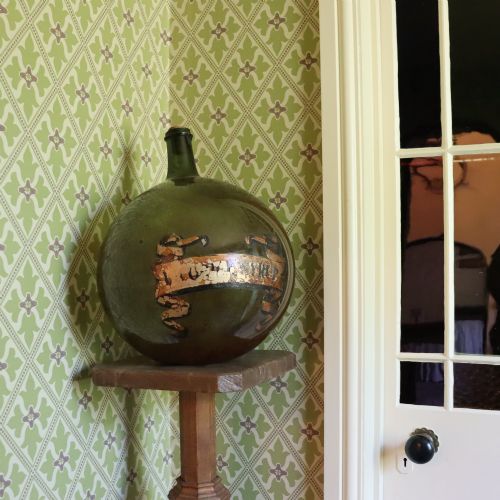
Lighting components dominate the selection, particularly opaline and cranberry glass lamp globes paired with brass, copper, or marble bases. Alongside these, sectional bookcases and carboys appear frequently, demonstrating the varied forms that carry spherical or globe elements.
The materials recorded in the archive and current listings extend beyond glass to incorporate lead, oak, mahogany, and brass. Buyers find both British and French pieces, reflecting the international scope of manufacture during these periods.
Materials and construction methods
Makers utilised hand-blown glass techniques to create spherical globes and shades, resulting in subtle surface variations and bubbles typical of older production. Metals such as brass, copper, and lead provide structural galleries, mounts, and weighted bases for hanging lights and table lamps.
Cabinet makers combined glass with solid timbers including oak, walnut, and mahogany for sectional bookcase doors, while stonework like marble forms stable foundations for twentieth-century table lamps.
Listings feature items from the 18th Century, Victorian period, and Edwardian era up to Art Deco 1930s designs.
Distinctions in quality and execution
The standard of an antique glass globe rests on the clarity and colour saturation of the glass, whether opaline, cranberry, or clear cut glass. Metal mounts display differing levels of chasing and finish, ranging from plain utility brass to decorative silver or copper work.
Cabinet construction reveals craftsmanship through tight joinery in stacking bookcase sections and the integration of leaded glass panels within wooden frames.
Globe Wernicke·Émile-Jacques Ruhlmann·Lebus
The Antique Glass Globe Glossary
- Opaline glass
- A semi-translucent milk glass that diffuses light softly, commonly found in Victorian and Art Deco pendant shades.
- Carboy
- A large glass vessel used in apothecary settings, often mouth-blown and housed in protective frames.
- Globe Wernicke
- A patented modular barrister bookcase system featuring glazed lifting doors.
- Cranberry glass
- A rich red glass created by adding gold chloride to the molten batch during the nineteenth century.
- Gallery
- A metal ring or collar designed to hold a glass shade securely to a lamp or pendant fitting.
Antique Glass Globe: Frequently Asked Questions
What is an antique glass globe shade?
An antique glass globe shade is a rounded or spherical glass diffuser designed for oil lamps, gasoliers, or pendant light fixtures. These shades soften and direct illumination while displaying period colours like cranberry, green, or opaline.
They date from the Victorian era through the Art Deco period, often pairing with brass or copper galleries that mount directly onto historic lighting hardware.
How do I identify a Georgian glass globe decanter?
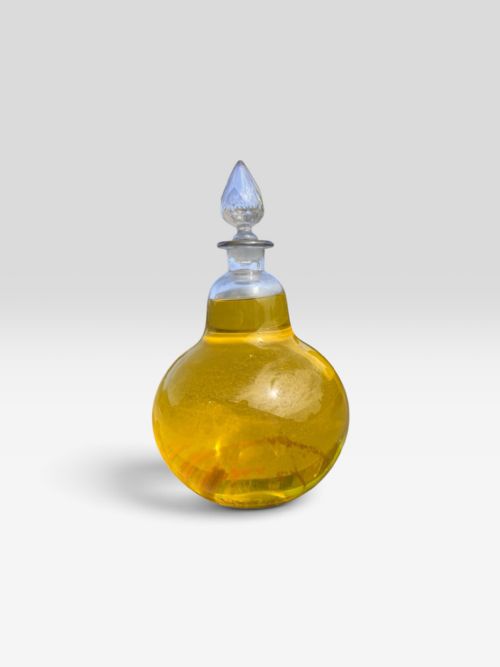
Georgian glass globe decanters, sometimes called shaft and globe decanters, feature a spherical body with a tapering neck. Eighteenth-century examples exhibit hand-blown characteristics, pontil marks on the base, and heavier lead metal content.
They were used for serving wine and spirits at the dining table, often accompanied by matching stoppers or cut glass detailing.
What period do opaline glass globes come from?
Opaline glass globes appear predominantly in Victorian and early twentieth-century French Art Deco pieces. This material achieved popularity due to its opaque, milky appearance that effectively concealed internal light sources.
They are frequently found suspended from copper galleries as ceiling pendants or fitted to metal table lamps from the 1920s.
How are apothecary glass globes different from lamps?
Apothecary glass globes and carboys are large, freestanding vessels utilised in chemists' shops to hold liquids for display or storage. Unlike lamp shades, they are sealed or open-necked containers rather than lighting components.
Nineteenth-century examples show heavy, thick-walled hand-blown construction designed to stand independently on counters or in shop windows.