


Antique Cloche Cover
An antique cloche cover serves to protect food or display delicate specimens under clear glass or gleaming metal.
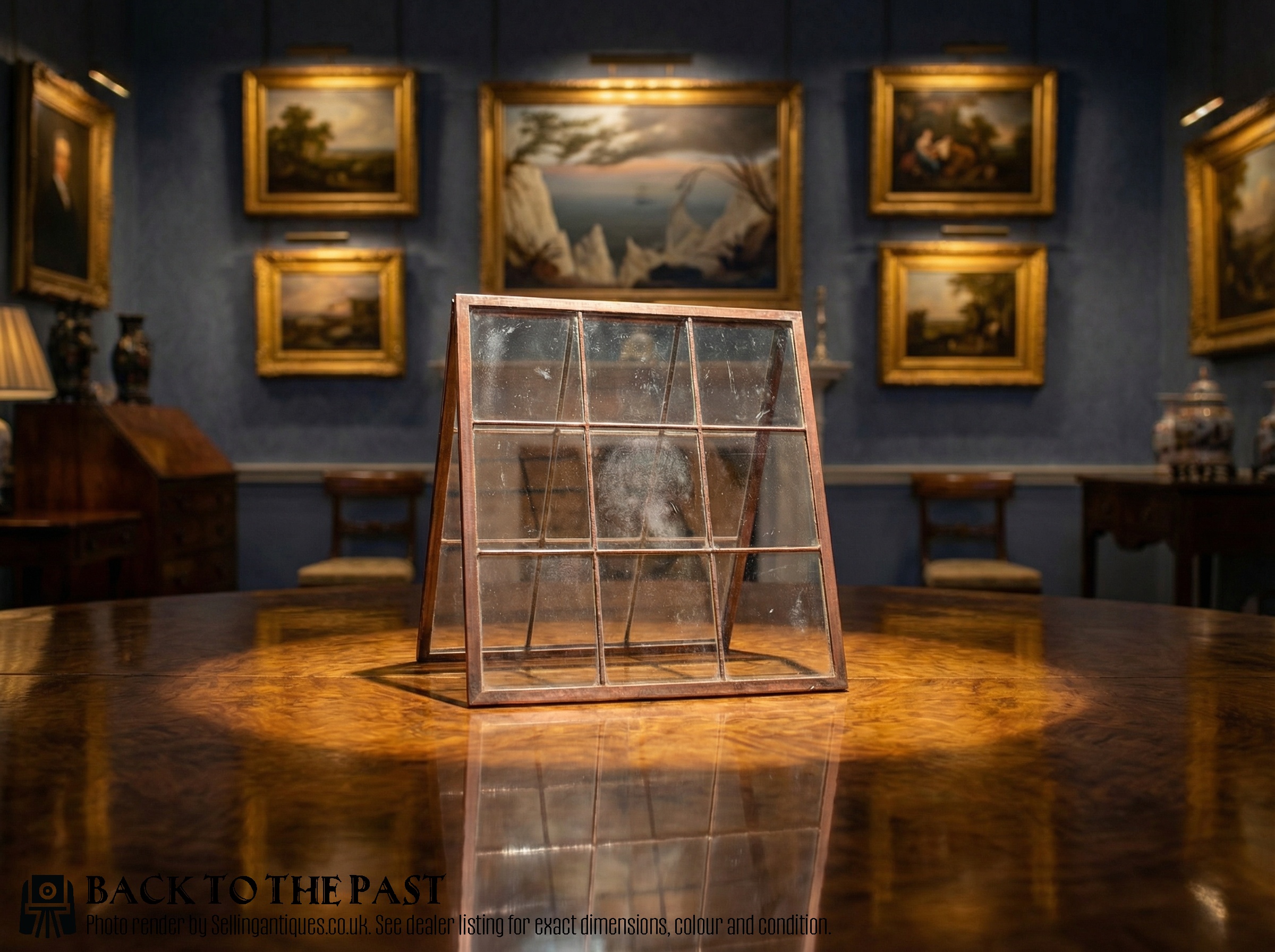
Antique Cloche Cover
When a buyer searches for an antique cloche cover, they encounter two distinct forms: food domes designed for the dining table and glass display domes intended for taxidermy, clocks, or curiosities. The pieces span periods from the Georgian and Regency eras through the Victorian and Edwardian decades, originating from English and continental workshops.
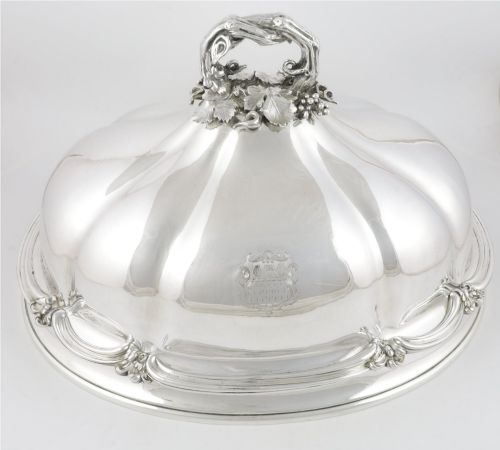
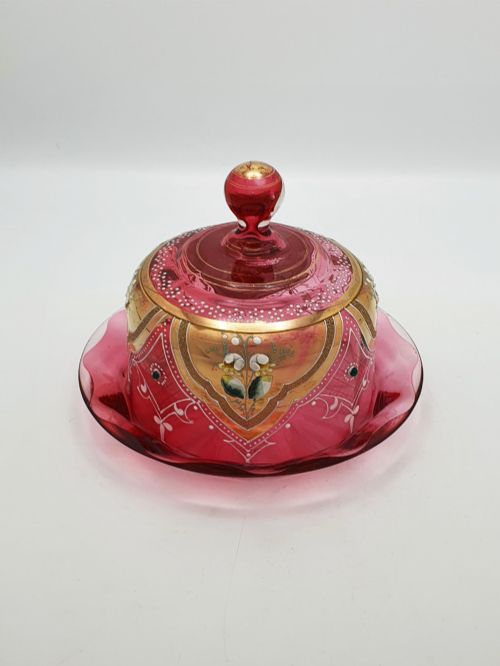
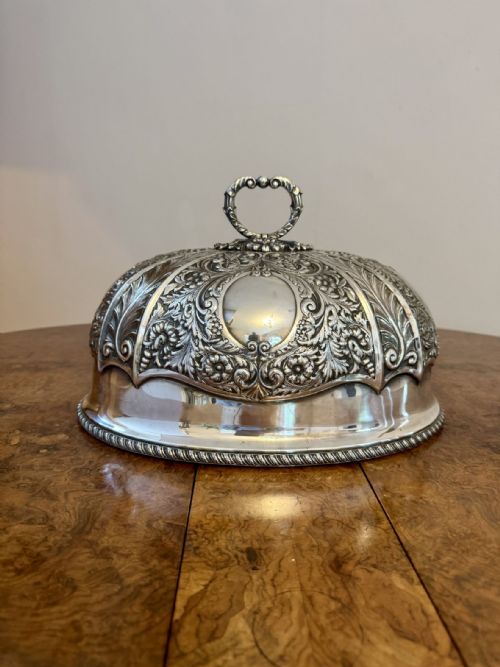
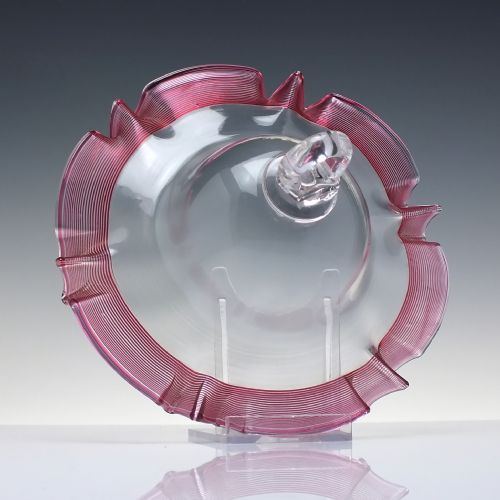
The dining variants include heavy Old Sheffield Plate and silver plated meat domes, game covers, and cheese dishes with cranberry glass. These functional items preserve warmth and grace the table during formal meals.
The display variants comprise glass domes paired with bases of ebonised wood, oak, beech, or pine. These showcase fragile taxidermy, botanical specimens, carriage clocks, and ornaments while keeping dust at bay.
How they were made
Makers formed the transparent covers using blown or sheet glass, shaping large domes and cloches to sit squarely upon matching bases. Display covers often relied on turned wooden plinths made from ebonised wood, oak, or pine.
Metal covers utilised copper, silver plate, and Old Sheffield Plate techniques, fusing silver to a copper base before hammering and engraving handles. Makers such as Roberts Cadman, Henry Wilkinson, Boulton, and Durand applied meticulous silversmithing methods to create substantial meat domes and platters.
Many a Victorian parlour kept its stuffed owl or prized botanical specimen permanently under glass, safe from curious fingers and domestic soot.
What varies in quality
The weight of the silver plating and the clarity of the blown glass distinguish finer examples from simpler utilitarian pieces. Thicker Old Sheffield Plate reveals subtle copper bleed at the edges, a sign of authentic fusion rather than electroplating.
Joinery on the wooden bases and the crispness of chased handles on metal domes separate standard production items from workshop pieces bearing maker marks. Superior glass displays minimal distortion and rests evenly upon well-fitted wooden grooves.
Roberts Cadman·Henry Wilkinson·Boulton·Durand
The Antique Cloche Cover Glossary
- Old Sheffield Plate
- A fused metal technique where a thin sheet of silver is melted onto a copper core before rolling. This predates modern electroplating and displays warm tonal variations.
- Cloche
- A bell-shaped cover used originally in gardening or dining to protect plants or food. The term extends to glass display vessels and metal meat covers.
- EPNS
- Electroplated Nickel Silver, a common base metal method introduced during the nineteenth century. It provides a bright silver surface over a durable nickel alloy base.
- Taxidermy dome
- A tall glass cover paired with a wooden base, designed specifically to house preserved birds, insects, or botanical specimens. These protected delicate items from dust and humidity in Victorian parlours.
Antique Cloche Cover: Frequently Asked Questions
What is an antique cloche cover used for?
These pieces served two primary purposes in period homes, functioning either as dining table covers to keep roasts warm or as display vessels for household curiosities.
Food domes shielded joints of meat and cheese from insects and cooling draughts, while glass display domes protected taxidermy, clocks, and botanical specimens from dust.
How do I clean an antique glass dome?
Gentle wiping with a soft, lint-free cloth and mild soapy water preserves the fragile historic glass without scratching the surface.
Avoid harsh chemical cleaners, particularly around wooden bases or antique metal rims where moisture might cause damage.
How do I tell Old Sheffield Plate from silver plate?
Old Sheffield Plate was made by fusing silver to copper, which often reveals a subtle reddish copper line along the cut edges and wear points.
Electroplated pieces, marked as EPNS or silver plate, show a uniform base metal underneath where the silver layer has worn away through decades of polishing.
How do I date a Victorian glass display dome?
The thickness of the glass, the presence of subtle air bubbles, and the type of turned wood on the base help determine the period.
Earlier Victorian examples often feature hand-blown glass with slight irregularities, resting on heavy ebonised wood or mahogany plinths with simple recessed grooves.