



Victorian Display Cloche
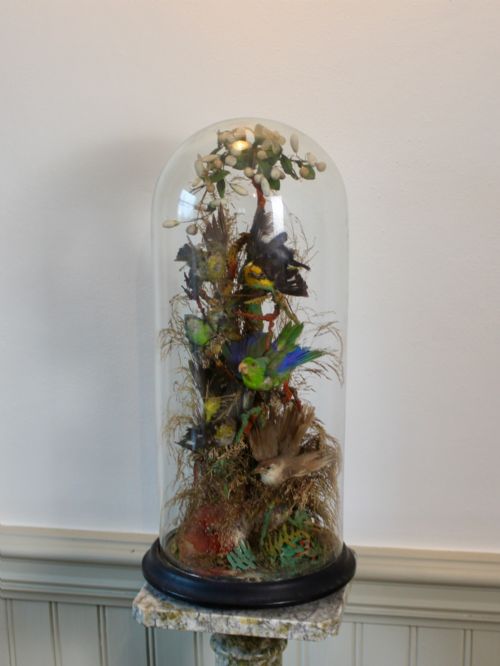
A victorian display cloche is a glass cover used to protect and exhibit precious specimens, offering a glimpse into nineteenth-century interiors.
Victorian Display Cloche
A victorian display cloche, also referred to as a glass dome, functions primarily as a protective showcase for delicate objects within the home. The pieces found here span the Victorian and Edwardian periods, including nineteenth century examples alongside pieces dated from the 1860s to 1910.
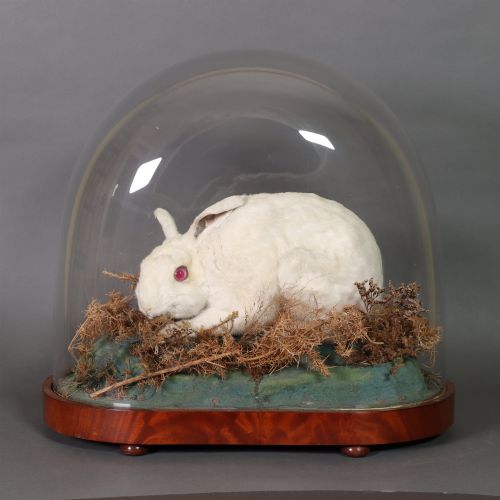
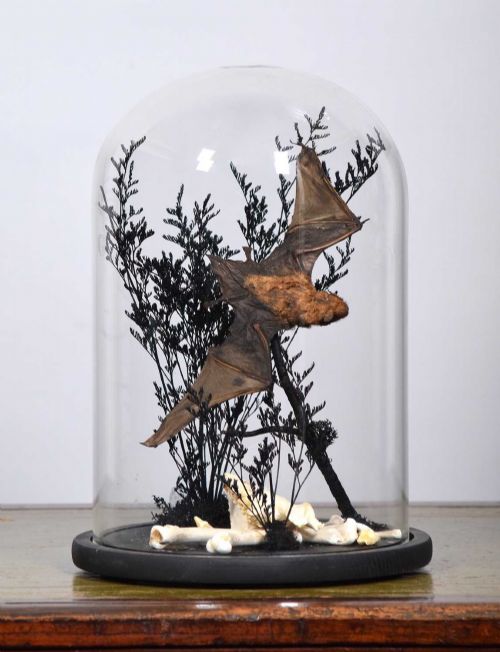
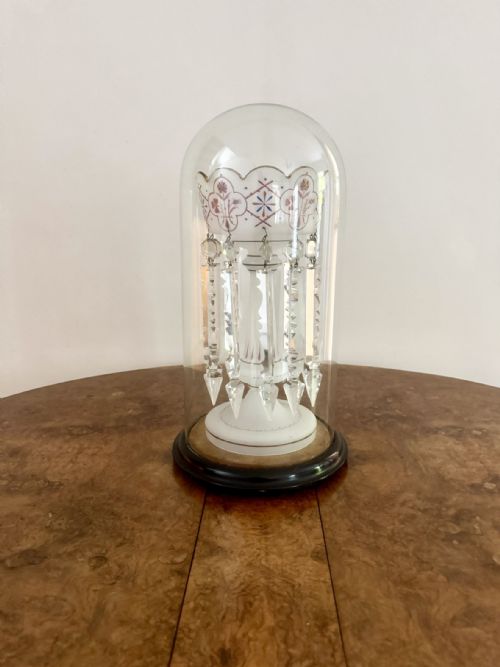
The objects housed beneath these glass covers vary considerably in purpose and origin. Common contents include taxidermy birds and animals, French beadwork bouquets, continental figures, glass lustres, clock cases, and botanical specimens.
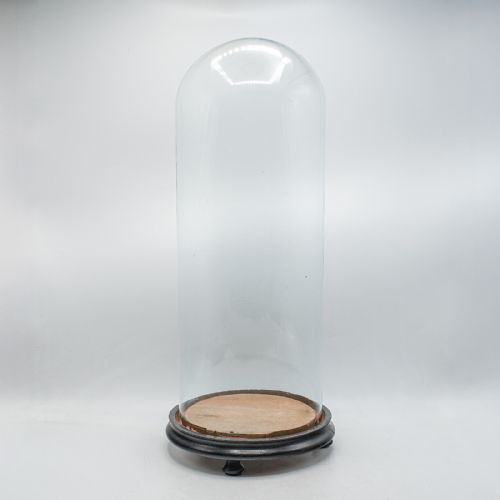
Most items originate from English makers and workshops, taking forms such as tall specimens, wide showcases, flat sided domes, and oval diorama cases.
How They Were Made
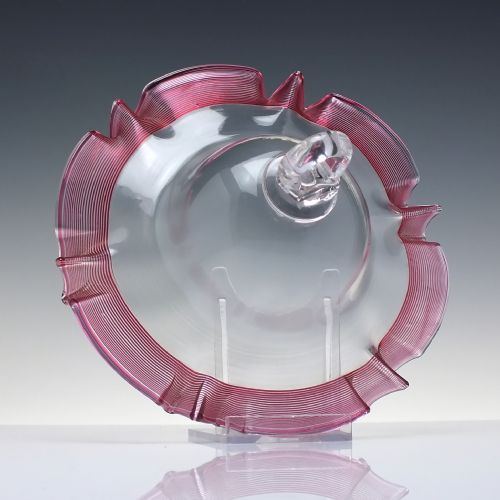
Construction relies heavily on blown or formed glass paired with timber bases. Bases frequently utilise ebonised wood, oak, or pine to support the glass covers securely.
Internal displays incorporate diverse materials to mount and embellish the specimens. These include wire frameworks, fabric, velvet, felt, and feathers arranged alongside taxidermy subjects.
Listings feature items spanning the Victorian, Edwardian, and Georgian periods, incorporating glass, ebonised wood, oak, velvet, and feathers.
What Varies in Quality
Quality depends upon the clarity and form of the glass itself, alongside the stability and finish of the wooden base. Taller or ovoid shapes require skilled glassblowing techniques to achieve balanced proportions.
The artistry of the internal contents distinguishes exceptional examples from standard ones. Complex taxidermy compositions, intricate French beadwork bouquets, and original protective pairings elevate the overall execution.
James Gardner·Henry Ward·A Pollard
The Victorian Display Cloche Glossary
- Cloche
- A bell shaped glass cover designed to protect or display objects. The term is often used interchangeably with glass dome or display case.
- Taxidermy
- The art of preparing, stuffing, and mounting the skins of animals for display. Victorian examples often feature birds and small mammals arranged in naturalistic poses beneath glass.
- Ebonised wood
- Timber treated with a dark stain or finish to imitate ebony. This material frequently forms the base of nineteenth-century display cases.
- Diorama
- A three-dimensional scene enclosed within a glass showcase. These compositions often depict taxidermy specimens within artificial natural habitats.
- Clock dome
- A glass cover originally manufactured to protect mantel or carriage clocks. Many of these sturdy glass housings were subsequently repurposed for taxidermy and specimen display.
Victorian Display Cloche: Frequently Asked Questions
What fits under a glass dome?
These glass covers house a wide variety of delicate objects including taxidermy birds, botanical specimens, French beadwork bouquets, and decorative continental figures.
Historically, owners also utilised them to protect working timepieces such as mantel clocks and carriage clocks from household dust.
How do you clean antique glass?
Glass domes require gentle handling due to their age and delicate nature. Soft cloths and mild cleaning solutions are typically used to remove dust without stressing the material.
Care must be taken around fitted wooden bases and internal wire or fabric mounts during any maintenance.
Were these used for taxidermy?
Many nineteenth-century glass covers were specifically manufactured to showcase taxidermy animals, birds, and botanical specimens. These displays kept fragile feathers and delicate materials safe from insects and handling.
Specimens ranged from single birds to complex compositions featuring multiple animals within naturalistic settings.
How do I date a glass dome?
Dating relies on examining the characteristics of the wooden base, the thickness and tint of the glass, and the style of the internal contents. Pieces frequently date from the Victorian and Edwardian eras.
Maker labels on the underside of the wooden base can also provide specific attribution to taxidermists or workshops.