




Victorian Taxidermy Dome
A victorian taxidermy dome brings nineteenth-century natural history indoors, protecting preserved birds and mammals beneath clear blown glass.
Victorian Taxidermy Dome
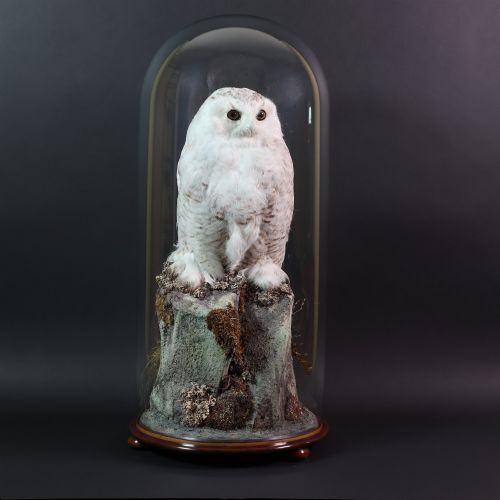
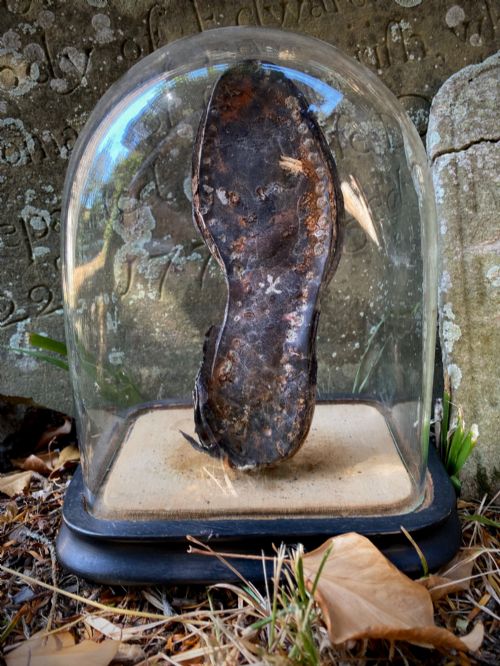
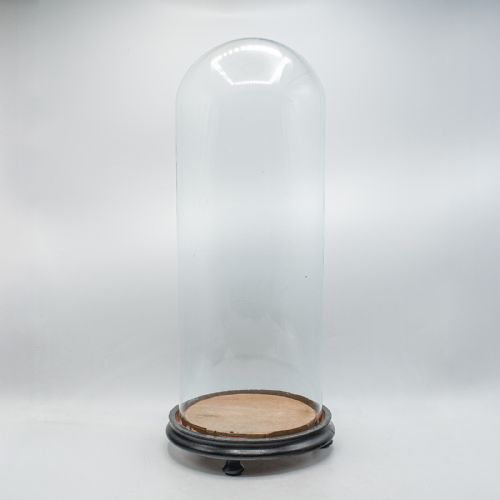
A victorian taxidermy dome combines a blown glass bell with a wooden base, creating a sealed showcase for preserved specimens. The form developed from scientific specimen cases into domestic parlour ornaments during the nineteenth century.
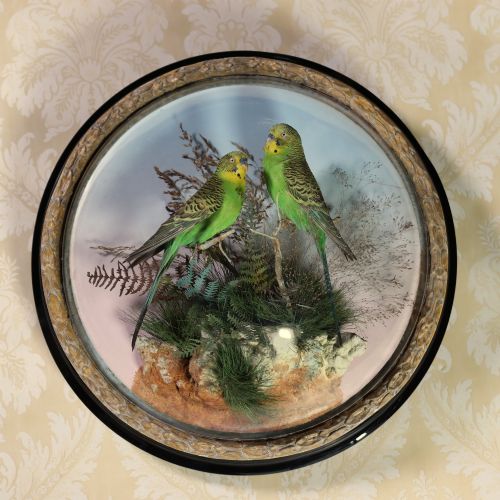
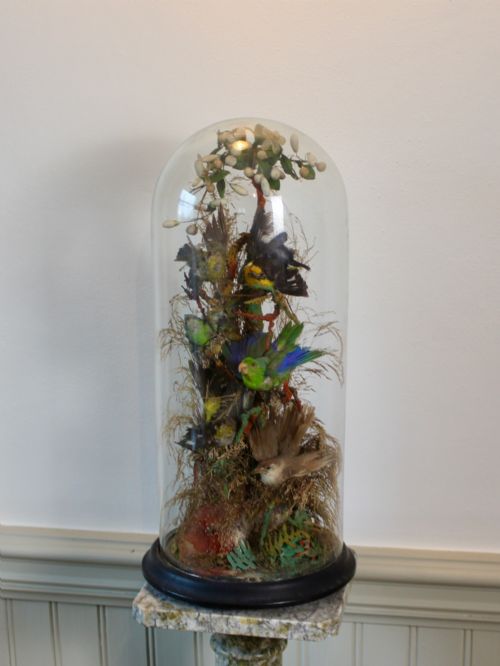
Most examples found on this page date from the Victorian and Edwardian periods, featuring English craftsmanship in ebonised wood or mahogany bases. Interiors range from single birds like kingfishers and owls to complex multi-specimen tropical dioramas.
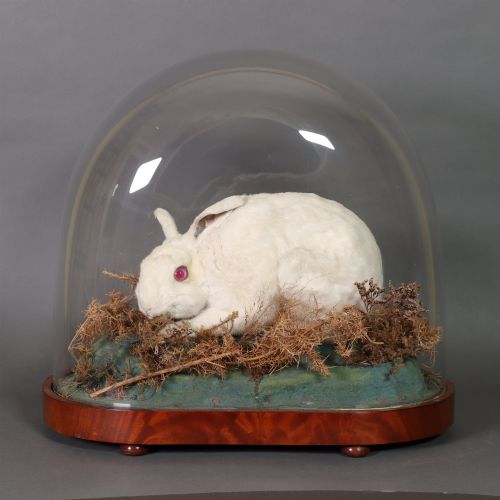
Collector variants include flat-sided wall domes and oval shapes designed for mantelpieces or side tables. Empty display domes and clock cases also appear alongside fully populated compositions.
How They Were Made
Maker's workshops used mouth-blown cylinder glass to create the characteristic clear covers, which often display subtle surface ripples and tiny air bubbles. Bases were typically turned from solid timber and finished with ebonising, velvet, or felt linings.
Taxidermists arranged specimens over artificial grasses, twigs, and moss, sometimes incorporating painted backgrounds or mirrored panels to add depth. Internal wire armatures supported birds and mammals in naturalistic poses.
Victorian Taxidermy Dome Retail Price Guide 2026
Typical asking prices for victorian taxidermy dome among the pieces listed under this phrase on Sellingantiques today, from the lower quarter to the upper quarter. They describe what is for sale here now, not the wider market.
Listings feature glass, ebonised wood, velvet, and feathers across Victorian and Edwardian periods.
What Varies in Quality
The precision of the glassblower's craft dictates clarity and weight, with heavier, distortion-free bell glasses representing superior production. Base construction matters equally, distinguishing utilitarian pine from finely turned ebonised hardwoods.
James Gardner of London·Henry Ward London·A Pollard·Hutchings of Aberystwyth·Allen Co of York·Peter Spicer·Davis Co Bristol
The Victorian Taxidermy Dome Glossary
- Cloche
- A bell-shaped glass cover used to protect food, plants, or delicate ornaments from dust. In this context, it functions interchangeably with a display dome.
- Ebonised
- Wood treated with a chemical stain or black finish to imitate expensive ebony. This dark surface treatment provides high contrast for colourful bird specimens.
- Diorama
- A three-dimensional scene depicting animals in a simulated natural habitat. These arrangements often include hand-painted backdrops alongside preserved foliage and rocks.
- Flat-sided dome
- A glass cover with pressed flat faces rather than a continuous curve. This specialised shape allowed wall-mounting in tighter interior spaces.
- Specimen case
- A protective enclosure built for scientific study or display. Nineteenth-century examples housed botanical, anatomical, or ornithological collections.
Victorian Taxidermy Dome: Frequently Asked Questions
What animals are found inside?
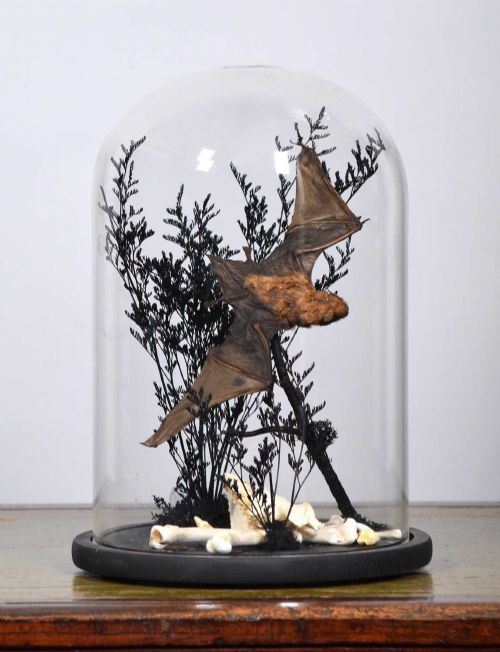
Compositions feature British birds such as owls, kingfishers, and woodpeckers alongside exotic species like birds of paradise, hummingbirds, and tanagers. Mammals including red squirrels, rabbits, and animal skulls also appear.
Most arrangements focus on avian subjects, frequently paired as males and females or grouped into elaborate multi-species historical dioramas.
How do I clean the glass?
Lift the glass cover gently from its base using both hands on a flat, stable surface. Clean the exterior and interior with a mild glass cleaner applied to a cloth rather than sprayed directly.
Avoid disturbing the delicate interior taxidermy specimens or their paper linings. Ensure the glass is completely dry before placing it back onto the wooden base.
Where should I display it?
Place the dome on a sturdy sideboard, mantelpiece, or deep bookshelf away from direct sunlight and high humidity. Direct heat sources can warp antique wooden bases and fade delicate feathers.
Position the display at eye level to appreciate the depth of the interior diorama and the clarity of the mouth-blown glass cover.
How can I tell the period?
Victorian examples generally feature heavier blown glass with slight imperfections and solid ebonised or mahogany timber bases. Edwardian pieces often utilise lighter construction techniques and simpler turned wood mounts.
Maker labels pasted underneath the base provide the most reliable dating evidence, alongside specific taxidermy preparation styles recorded from the mid-nineteenth to early twentieth centuries.