


Ebonised Glass Dome
An ebonised glass dome protects and frames delicate interior displays, bringing nineteenth-century interiors into sharp focus.
Ebonised Glass Dome
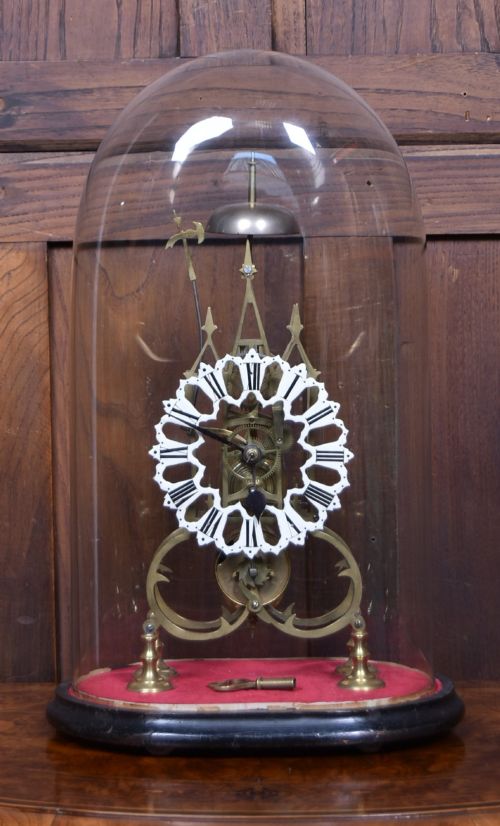
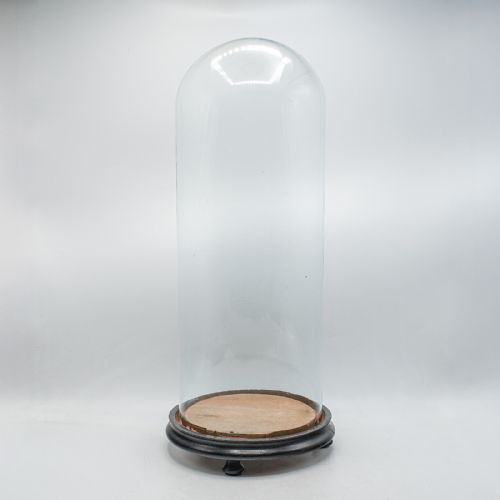
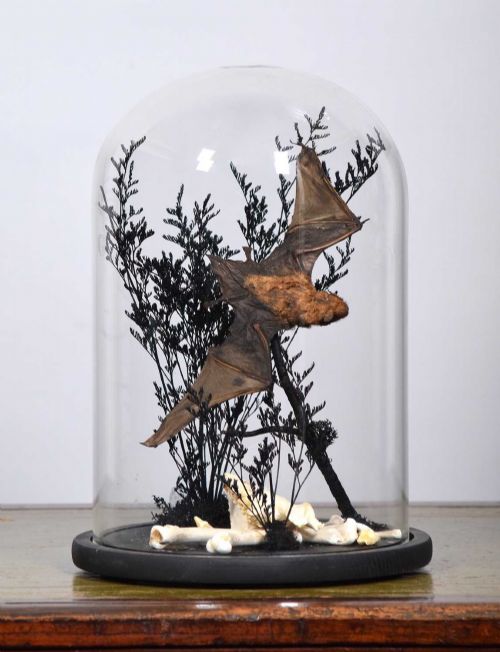
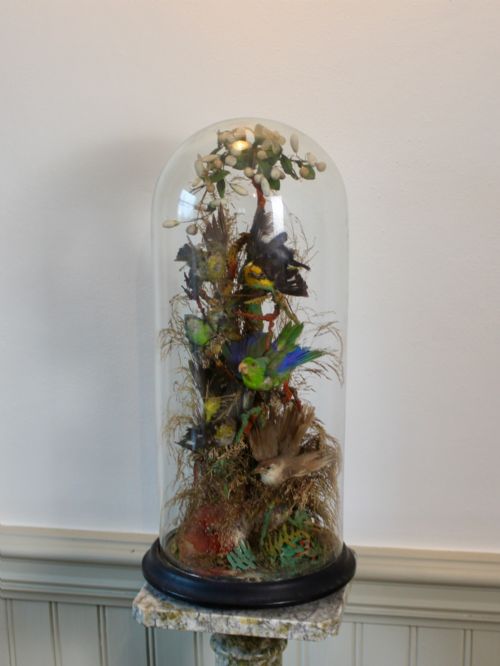
An ebonised glass dome consists of a blown glass cover resting upon a dark, treated wooden base, serving as a protective enclosure for fragile objects. When you examine an ebonised glass dome on this page, you encounter Victorian and Edwardian examples designed to showcase taxidermy, clocks, and botanical specimens.
The forms range from tall circular housings to flat-sided and ovoid shapes built to accommodate specific interior arrangements. English makers produced these display cases extensively during the nineteenth century, pairing transparent glass with blackened timber to highlight the contents within.
Materials and construction
Glassmakers blew the protective covers by hand, resulting in the subtle bubbles and thickness variations characteristic of the period. The bases utilise wood treated to imitate ebony, creating a dark, uniform platform that grounds the transparent cover above.
Makers often incorporated interior elements such as velvet, fabric, felt, and brass feet to support or elevate the displayed specimens and ornaments. Felt or cloth frequently lined the underside of the wooden base to protect furniture surfaces from scratches.
Victorian households once placed stuffed hummingbirds and snow buntings under glass domes to bring permanent spring into the parlour.
Distinctions in quality
Quality rests primarily on the clarity and weight of the blown glass cover, where finer examples display fewer distortions and an even thickness. The execution of the ebonised finish on the wooden base also distinguishes standard production pieces from finer display cases.
Proportion plays a central role, as the height and curve of the glass dome must balance the mass of the wooden base. Superior pieces retain their original matched components, maintaining the precise fit intended by the nineteenth-century maker.
A Pollard·James Gardner
The Ebonised Glass Dome Glossary
- Ebonised wood
- Timber treated with stain or paint to resemble genuine ebony. This finish provided a dark, formal contrast to the glass and the colourful specimens inside.
- Cloche
- A bell-shaped glass cover used for display or protection. The term is frequently interchanged with dome in nineteenth-century contexts.
- Taxidermy showcase
- A specialised glass enclosure built to preserve and exhibit prepared animals, birds, or botanical specimens. These displays shielded delicate feathers and fur from dust and atmospheric damage.
- Portico clock
- A architectural mantel clock featuring columns supporting a central movement, often displayed beneath a matching glass dome. These French and English timepieces relied on the enclosure to protect intricate escapements.
- Skeleton clock
- A timepiece with an open brass movement designed to reveal the gear train. Placing these clocks under a glass dome kept dust away from the delicate cogs while allowing an unobstructed view from all sides.
Ebonised Glass Dome: Frequently Asked Questions
What fits inside an ebonised glass dome?
These enclosures traditionally housed taxidermy specimens, skeleton clocks, portico clocks, and botanical arrangements such as preserved fruit or flowers. The internal height and width determine whether a specific clock or taxidermy composition fits beneath the glass.
Buyers often select domes to protect delicate items from dust and handling while creating a formal display on a mantelpiece or table.
How do I date an ebonised glass dome?
Dating relies on the manufacturing characteristics of the glass and the style of the wooden base. Hand-blown glass from the Victorian and Edwardian periods typically exhibits pontil marks or slight surface irregularities.
Makers active between 1860 and 1910 produced specific proportions, with late nineteenth-century examples often featuring heavier timber bases and taller, ovoid profiles.
Are the glass domes removable?
The glass covers lift off the ebonised wooden bases to allow access to the interior contents. This removable design enabled collectors to arrange taxidermy specimens or adjust clock mechanisms with ease.
Caution is required when lifting the glass, as the heavy hand-blown covers require a firm grip and careful handling.
How should I clean the glass?
Gentle cleaning with a soft cloth and mild glass cleaner preserves the antique material without damaging the surrounding wood. Care must be taken near the ebonised base to avoid harsh chemicals that could strip the dark finish.
Regular dusting prevents buildup and maintains the transparency of the nineteenth-century glass.