
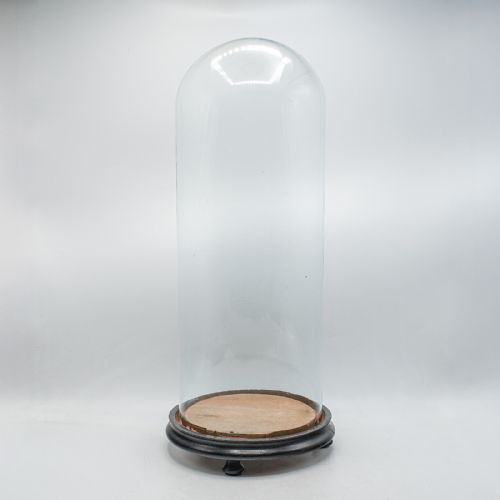


Antique Taxidermy Showcase Dome
These antique taxidermy showcase dome pieces preserve natural specimens under clear glass for domestic display.
Antique Taxidermy Showcase Dome
An antique taxidermy showcase dome houses preserved specimens beneath a blown glass cover designed to protect delicate birds, animals, or insects from dust and damage. These items appear primarily in Victorian, Edwardian, and nineteen-hundreds iterations, originating from English workshops.
The objects combine a transparent glass cover with a wooden base, which frequently includes timber varieties such as ebonised wood, oak, beech, pine, or mahogany. Interiors often feature textile linings including fabric, felt, velvet, or baize to support the displayed specimens.
Buyers encounter various formats including tall, wide, small, large, and ovoid glass domes alongside bell bottom designs and mirrored display cases. These serve to highlight specific biological or ornithological collections within a domestic interior.
How they were made
Glassmakers blew the clear domes by hand or in moulds to create smooth, curved enclosures designed to fit precisely onto timber bases. These wooden foundations, fashioned from oak, beech, pine, mahogany, or ebonised wood, provided sturdy platforms for interior arrangements.
Craftsmen lined the wooden bases with textiles such as felt, velvet, fabric, or baize to provide a contrasting background for taxidermy specimens. Leather also appears in certain constructions to finish or edge the display components.
The listings combine Victorian and Edwardian periods with materials including glass, ebonised wood, oak, beech, pine, mahogany, fabric, felt, velvet, baize, and leather.
What varies in quality
The clarity and thickness of the blown glass vary, with superior examples exhibiting fewer bubbles, striations, or distortions in the dome. The proportion between the height of the glass cover and the profile of the wooden base dictates the visual balance of the piece.
The selection of timber for the base influences the character of the object, ranging from simple pine to finely finished mahogany, oak, or ebonised wood. Additionally, the quality and preservation of interior textile linings like velvet, felt, or baize affect the integrity of the display.
Davis And Co Bristol
The Antique Taxidermy Showcase Dome Glossary
- Dome
- A rounded glass cover used to protect and display objects. These pieces sit upon fitted wooden bases.
- Cloche
- A bell-shaped glass cover sharing similar protective functions with a display dome. The term describes the bell-like silhouette of the glass.
- Baize
- A coarse woolen material resembling felt, used to line the interior base of a showcase. This fabric creates a traditional background texture for specimens.
- Ebonised
- Wood treated to resemble ebony through staining or painting. This dark finish appears frequently on Victorian bases.
- Ovoid
- An egg-shaped form characteristic of specific glass domes in the collection. This contour offers altered visual proportions compared to standard round or oval shapes.
Antique Taxidermy Showcase Dome: Frequently Asked Questions
What fits inside an antique taxidermy showcase dome?
These enclosures house preserved birds, small animals, and biological specimens collected during the nineteenth and early twentieth centuries. The glass covers protect fragile feathers and taxidermy mounts from household dust and handling.
Collectors also utilise these glass covers to display decorative ornaments and historical artefacts alongside natural history specimens.
How do I tell Victorian domes from Edwardian ones?
Victorian examples often feature heavier ebonised or mahogany bases paired with elaborate interior arrangements dating from the mid to late nineteenth century. These pieces reflect the period's intense interest in natural history collecting.
Edwardian specimens tend toward lighter woods like oak or beech with simpler profiles, reflecting changing domestic tastes around nineteen hundred to nineteen ten.
Can the glass dome be separated from the base?
Most domes rest unattached within a channeled groove on the wooden base, allowing them to be lifted off for interior access. Extreme care is necessary during this process because the blown glass is fragile and often irreplaceable.
Some pieces incorporate mirrored backs or fitted leather elements that secure the glass more firmly to the lower timber structure.
Where should I place a display dome at home?
Position these items on sturdy tables, sideboards, or mantelpieces away from direct sunlight and high humidity. Direct sun can fade the velvet, felt, or fabric linings and damage delicate taxidermy specimens over time.
Stable placement prevents accidental knocks to the glass cover, which remains unattached to its wooden foundation in many configurations.