


Glass Cloche Bell Jar
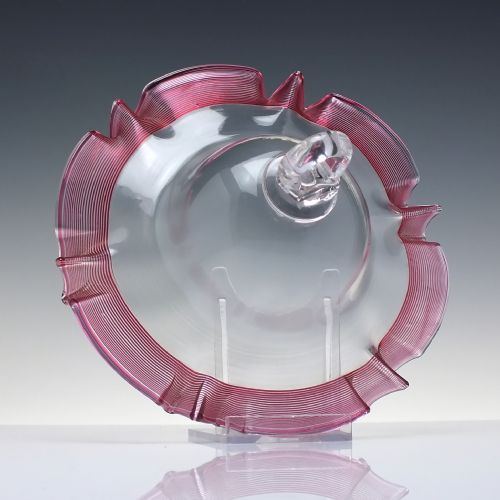
Glass cloche bell jar selections protect delicate specimens and ornaments under clear glass covers.
Glass Cloche Bell Jar
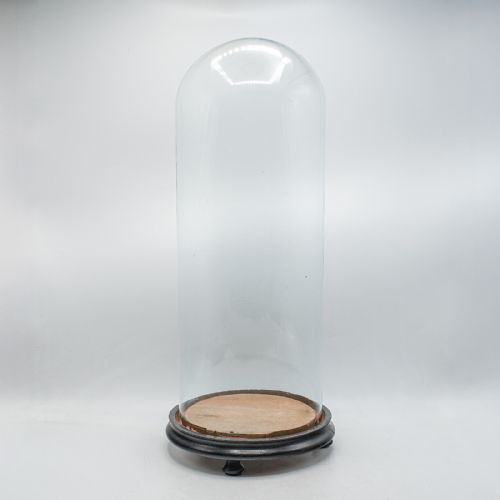
A glass cloche bell jar provides a protective transparent cover for objects like taxidermy, beadwork bouquets, and fruit still lifes. These pieces serve as display domes and collector cases designed to safeguard fragile items from dust and handling.
The versions most common on this page date from the Victorian, Edwardian, and late Victorian periods, spanning the nineteenth century into the early twentieth century. English origins predominate among the listed showcase domes and clock cases.
Forms range from tall specimen showcases and oval dioramas to wide clock domes and flat-sided enclosures. Buyers encounter both standalone glass covers and complete assemblies featuring wooden bases.
Materials and construction methods
Blown glass forms the transparent bell domes, engineered to create clear, unblemished enclosures for interior displays. These glass covers rest upon fitted bases fashioned from timber, oak, beech, ebonised wood, and cast iron.
Internal presentations incorporate diverse materials such as fabric, velvet, felt, feathers, and preserved specimens. Structural mounting secures delicate taxidermy and botanical arrangements within the protective glass housing.
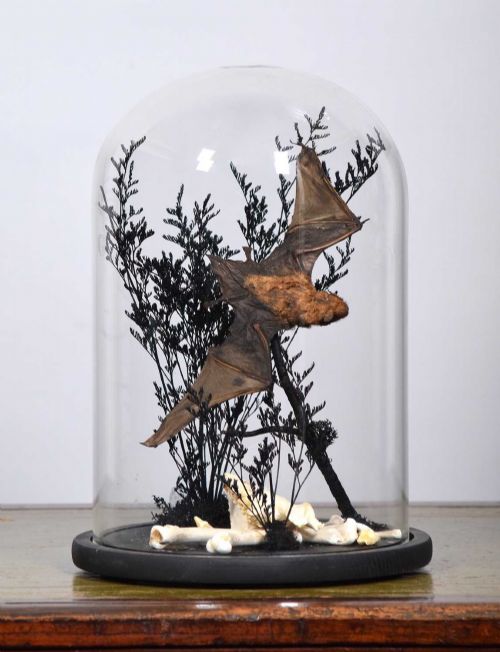
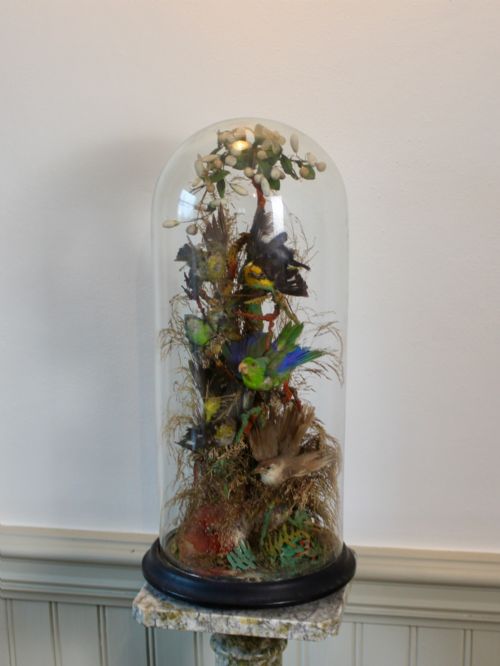
Pipistrelle bats and snow buntings peer out from beneath nineteenth-century glass.
Distinctions in quality and finish
Quality differentiates by the clarity and uniformity of the blown glass dome, where superior pieces exhibit minimal distortion and fewer bubbles. The heft and joinery of the wooden or cast iron base further distinguish finer examples.
The complexity and condition of the enclosed contents, from taxidermy specimens to French beadwork bouquets, dictate the overall desirability of the assembly. Original fitted bases paired with undamaged glass achieve greater coherence.
The Glass Cloche Bell Jar Glossary
- Cloche
- A bell-shaped glass cover used to protect plants or interior ornaments. The term derives from the French word for bell.
- Bell jar
- A bell-shaped glass vessel with an open bottom, utilised historically in laboratories and for domestic display. It lifts off its base to grant access to the interior.
- Display dome
- A clear glass cover mounted on a wooden or iron plinth to exhibit curiosities. These enclosures protect delicate artefacts from dust.
- Taxidermy dome
- A glass enclosure specifically designed to house preserved animal specimens. They maintain the condition of mounted birds and mammals.
- Diorama dome
- An oval or flat-sided glass cover housing a three-dimensional scene. These cases present botanical or biological compositions in miniature landscapes.
Glass Cloche Bell Jar: Frequently Asked Questions
What fits inside a glass cloche bell jar?
These glass covers house delicate items such as taxidermy birds, bats, botanical specimens, and beadwork bouquets. They also serve to protect antique carriage clocks and still life fruit arrangements from environmental dust.
Selecting a dome requires matching the interior height and width of the glass cover to the dimensions of the intended specimen or ornament.
How do you clean an antique glass dome?
Cleaning requires removing the glass cover from its wooden or iron base to handle the fragile material safely. Warm water and mild soap clear dust from the exterior and interior surfaces.
Harsh abrasives risk scratching the historic glass, so soft cloths and gentle drying methods prove essential for preservation.
Are wooden bases original to the glass?
Many Victorian and Edwardian domes retain their original timber, oak, beech, or ebonised wood bases featuring fitted grooves. These channels secure the rim of the glass bell securely in place.
Replacements occur when original bases sustain damage, making the snugness of the fit an indicator of originality.
How do I date a glass dome?
Dating relies on manufacturing characteristics within the glass, such as subtle bubbles and thickness variations typical of nineteenth-century production. The style and wood choice of the base also offer chronological clues.
Victorian and Edwardian examples often feature turned wooden plinths or cast iron feet that align with the periods recorded in the listings.