



Ebonised Wooden Base
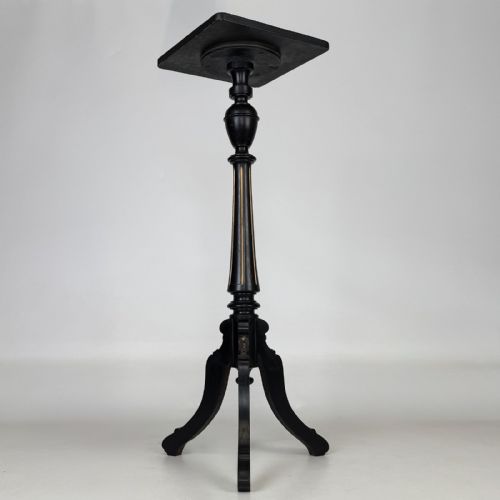
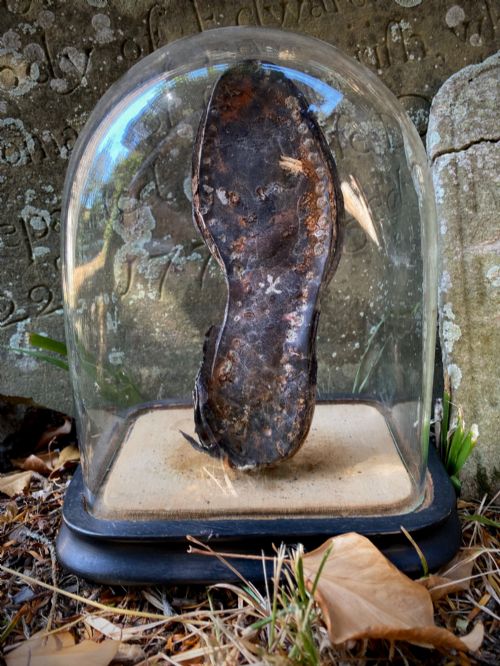
An ebonised wooden base provides a dark, uniform stage that lifts display domes, taxidermy and presentation pieces.
Ebonised Wooden Base
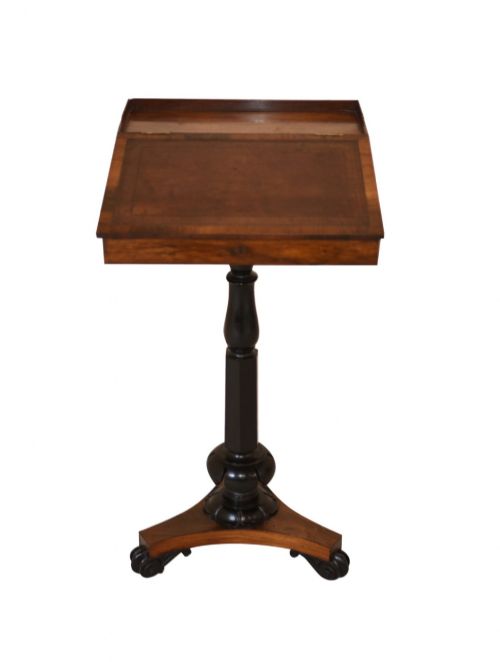
When you search for an ebonised wooden base, you encounter sturdy platforms designed to support glass domes, taxidermy specimens, and presentation trophies. These items frequently appear paired with Victorian display cases, specimen showcases, and desktop globes.
The selections span the Victorian and Edwardian eras, alongside pieces from the nineteenth and early twentieth centuries. You will find them supporting botanical specimens, clocks, and vases, where a dark wooden foundation frames the object above.
Materials and construction
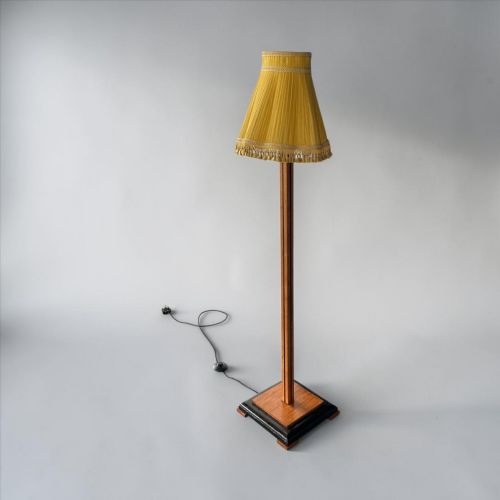
Makers utilised wood treated with ebonising techniques to achieve a dense, black finish that mimics ebony. This dark surface often incorporates contrasting elements such as gilt accents, pine, or burr birch depending on the period.
Many examples integrate fitted grooves to secure glass domes or house felt and fabric linings. The construction reflects the joinery standards of Victorian and Edwardian workshops, prioritising stability for heavy glass covers.
Ebonised Wooden Base Retail Price Guide 2026
Typical asking prices for ebonised wooden base among the pieces listed under this phrase on Sellingantiques today, from the lower quarter to the upper quarter. They describe what is for sale here now, not the wider market.
Professor-level specimens required extra-tall glass domes to accommodate exotic birds of paradise.
Evaluating quality and finish
The depth and consistency of the ebonised finish dictate the visual success of the piece. Superior examples maintain a smooth, even surface that resists fading, while lesser pieces show wear or uneven staining across the wood.
Proportion and weight also separate the standard from the exceptional. A well-balanced base provides sufficient heft to anchor tall glass domes or heavy taxidermy without tipping.
A Pollard·J. Forest
The Ebonised Wooden Base Glossary
- Ebonised wood
- Timber treated to resemble ebony through staining or painting. This process creates a deep black surface common in nineteenth-century display furniture.
- Display dome
- A blown glass cover used to protect delicate objects. It sits directly within a prepared channel on the wooden base.
- Specimen showcase
- An enclosure designed for biological or botanical displays. These housings rely on a firm wooden foundation to seal the interior.
- Empire Revival
- A decorative style drawing on classical antiquity. Pieces from this period often feature bold forms and rich secondary woods.
Ebonised Wooden Base: Frequently Asked Questions
What goes on an ebonised wooden base?
These platforms generally support glass domes, taxidermy birds, presentation trophies, and antique globes.
The dark finish creates a neutral background that draws attention to the displayed object.
How do I clean ebonised wood?
Dust the surface gently with a dry, soft cloth to prevent scratching the dark finish.
Avoid liquid cleaners or polishes that might degrade the historical ebonising treatment over time.
Are these bases fixed to glass domes?
Most bases operate independently, featuring a routed channel where a glass cloche rests securely.
This design allows you to lift the dome away when accessing the interior specimens or objects.
Which periods produced these wooden bases?
The available examples date primarily from the Victorian and Edwardian eras, alongside the early twentieth century.
Construction methods and secondary materials usually align with the dominant styles of those decades.