
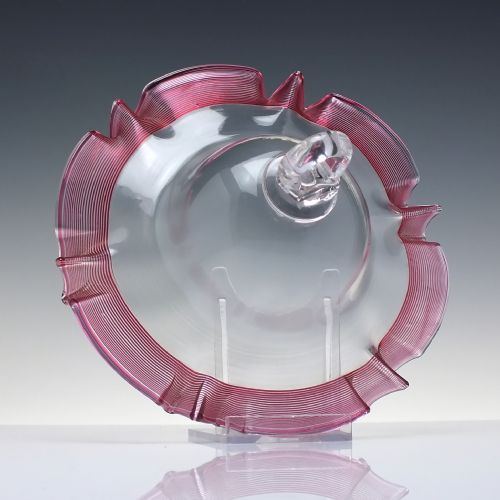


Edwardian Glass Cloche
These edwardian glass cloche pieces protect delicate specimens and objects under clear glass covers, offering a traditional way to display items.

Edwardian Glass Cloche
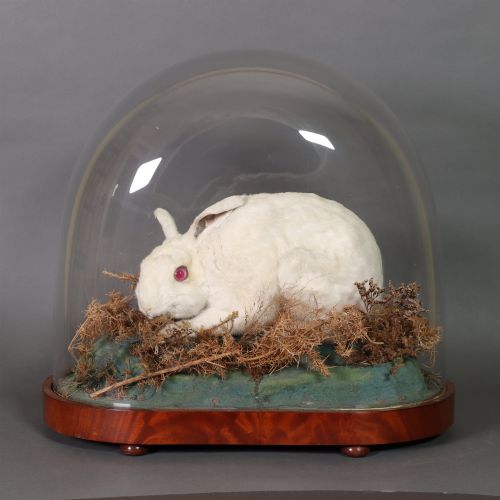
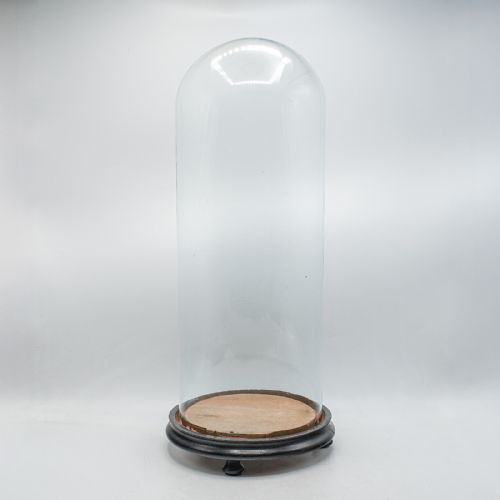
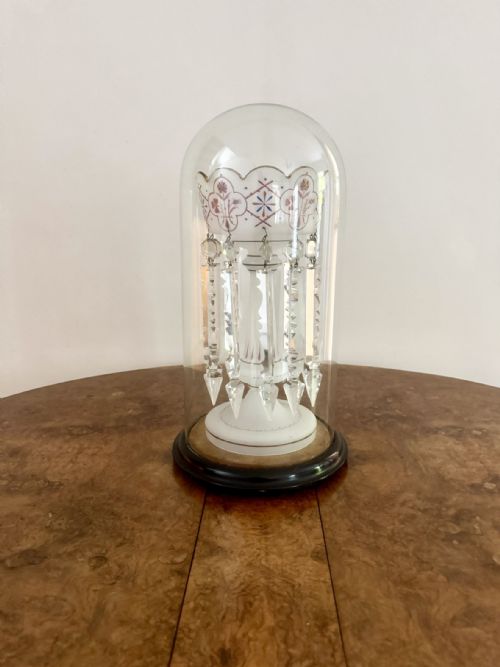
When you search for edwardian glass cloche, you examine clear glass covers designed to protect and display delicate items. Most examples on this page date from the Edwardian and Victorian periods, taking the form of display domes, glass domes, and taxidermy showcases.
The pieces serve primarily as protective covers for preserved specimens, curiosities, and tabletop objects. English craftsmanship dominates the selection, frequently paired with wooden bases made from timber, oak, or beech.
How they were made
The manufacture relies on blown or formed glass combined with turned wooden bases. Materials recorded in the inventory include glass, timber, oak, beech, and ebonised wood.
Makers shaped clear glass into tall or wide domes to fit precisely onto fitted wooden plinths. Structural support often included simple timber mouldings designed to steady the glass cover securely.
The inventory combines Edwardian and Victorian pieces featuring glass, oak, beech, and ebonised wood alongside taxidermy displays.
What varies in quality
Quality rests upon the clarity and thickness of the glass dome itself. Fine examples display smooth, even glass surfaces without heavy bubbles or distortion, paired with well-turned wooden bases.
The integration between the glass cover and the timber plinth dictates the overall refinement of the piece. Superior specimens maintain precise proportions between the height of the dome and the depth of the base.
James Gardner of London
The Edwardian Glass Cloche Glossary
- Glass Dome
- A transparent bell-shaped cover used to protect and display delicate objects or taxidermy specimens. These covers sit flush upon a wooden base.
- Taxidermy Showcase
- A fitted enclosure designed to house preserved animal specimens safely behind glass. The construction keeps dust and moisture away from fragile displays.
- Ebonised Wood
- Timber treated with a dark finish to imitate ebony wood. This dark surface provides a formal contrast against clear glass and preserved contents.
- Display Dome
- A protective glass cover intended for tabletop or surface exhibition. They appear frequently in Victorian and Edwardian interiors for ornamental arrangements.
Edwardian Glass Cloche: Frequently Asked Questions
What is an edwardian glass cloche used for?
These glass covers protect delicate objects, ornaments, and taxidermy specimens from dust and damage. They allow careful viewing while keeping the contents enclosed on a table or shelf.
The clear glass provides an unobstructed view from all sides. Historically, they preserved fragile items in domestic interiors.
How do I clean an antique glass dome?
Clean the glass carefully using a soft cloth and a gentle glass cleaner. Avoid applying excessive pressure to older blown glass.
Lift the dome off its wooden base before cleaning to prevent moisture from reaching the timber. Dry the glass thoroughly before replacing it.
How do I date an edwardian glass cloche?
Examine the thickness and weight of the glass, alongside the type of wood used for the base. Edwardian and Victorian examples often feature distinct turned timber plinths.
Look for subtle bubbles or waviness in the glass material. These characteristics indicate older manufacturing techniques typical of the period.