


Antique Glass Bell Cover
An antique glass bell cover protects delicate curiosities and fresh cheeses beneath a clear, blown canopy.
Antique Glass Bell Cover
An antique glass bell cover encompasses tall display domes, cloches, and cheese dishes designed to shelter specimens, clocks, and food. You meet these pieces mostly in Victorian and Edwardian forms, originating from English workshops alongside continental examples.
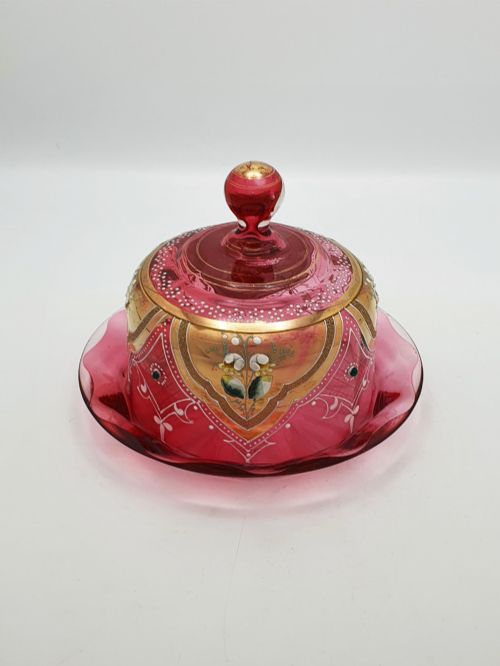
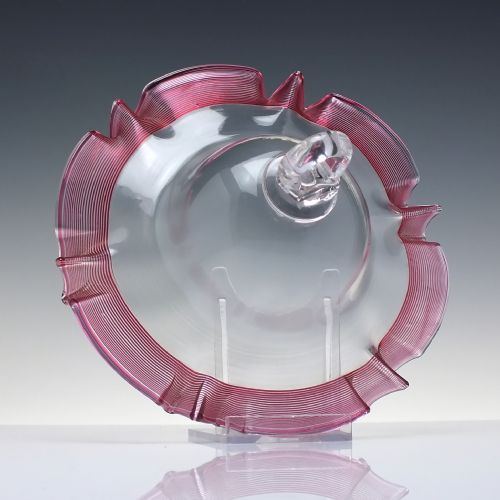
The selection here ranges from wide taxidermy showcases and mantel clock covers to garden cloches and cranberry glass cheese dishes. Each object serves to keep dust from fragile displays or preserve items on the dining table.

What varies in quality
The clarity and weight of the glass distinguish finer examples, alongside the quality of the timber base used to anchor the cover. Thicker glass and well-turned wooden or silver-plated mountings indicate superior craftsmanship.
Proportions dictate visual appeal, where taller or wider domes show greater ambition in glassblowing and joinery. Matching bases and intact original linings elevate the integrity of the piece.
Many a Victorian taxidermist owed their livelihood to these glass covers, which kept generations of stuffed owls free from domestic soot.
The Antique Glass Bell Cover Glossary
- Cloche
- A bell-shaped glass cover used traditionally in gardens to protect plants or on dining tables for cheese. The term derives from the French word for bell.
- Display Dome
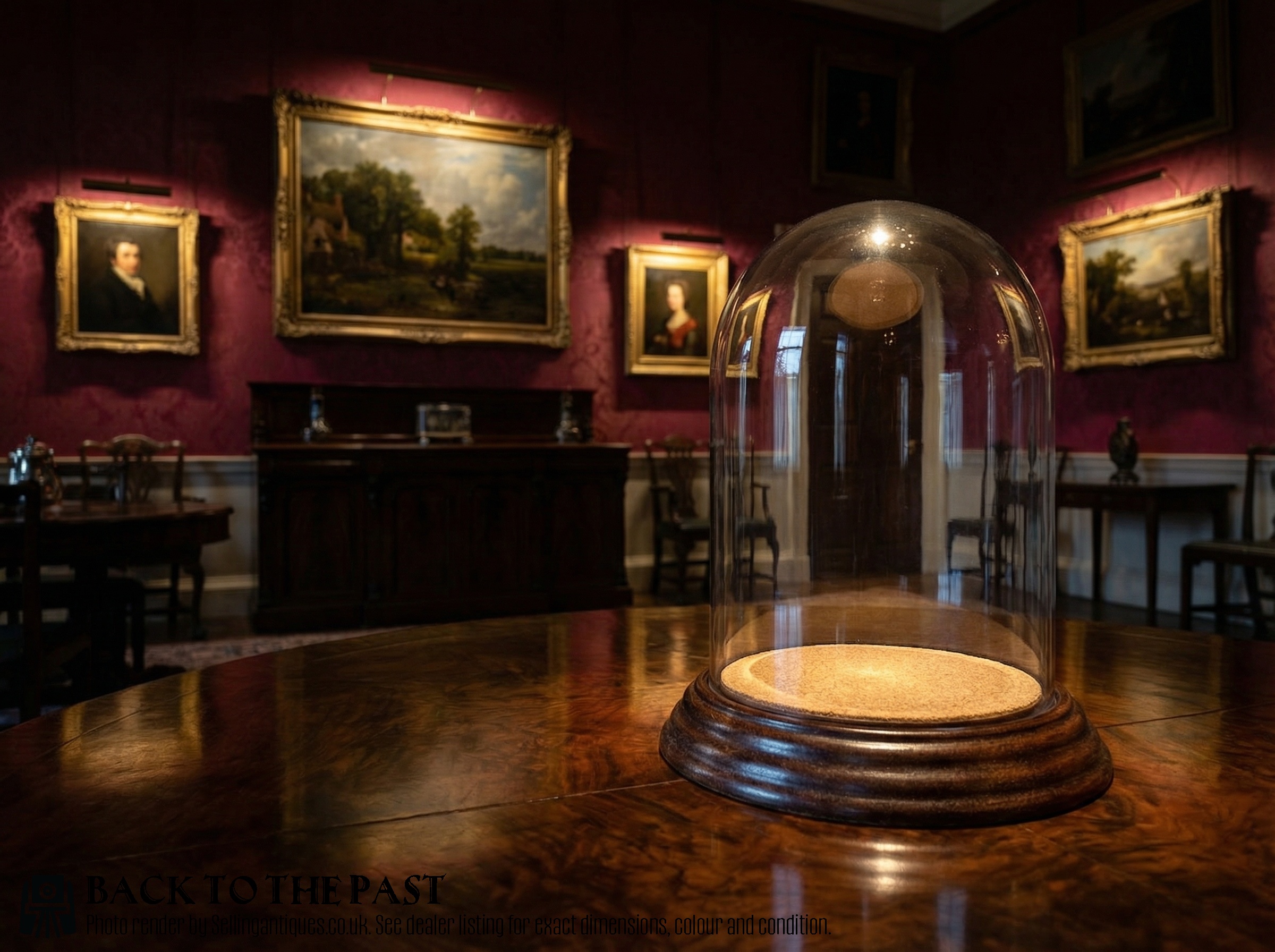
- A glass cover designed to showcase and protect objects such as taxidermy, clocks, and ornaments. These are typically mounted on a wooden base.
- Cranberry Glass
- A rich red glass coloured by the addition of gold chloride, often seen in tableware and cheese dishes from the late nineteenth and early twentieth centuries.
- Ebonised Wood
- Timber treated with a stain or finish to imitate ebony, providing a dark, contrasting base for glass bell covers.
Antique Glass Bell Cover: Frequently Asked Questions
What did people put under glass domes?
Victorian and Edwardian households placed taxidermy specimens, delicate botanical collections, and intricate clocks beneath these glass covers. The bell shape kept dust away from prized ornaments and preserved delicate items.
Dining rooms utilised similar covers as cheese dishes to keep food fresh at the table. Gardeners also employed cloches outdoors to protect vulnerable plants from frost.
How do I date a glass dome?
Dating relies heavily on the style of the wooden base, whether ebonised, oak, beech, or pine, and the manufacturing traits of the glass. Victorian examples often feature heavy turned wooden bases while Edwardian versions lean towards simpler profiles.
Examining the bubbles and thickness within the glass helps distinguish nineteenth-century production from later twentieth-century pieces. Associated hardware, such as copper frames on cloches or silver plate on cheese dishes, offers further clues.
How do I clean an antique glass cover?
Warm soapy water and a soft cloth safely remove dust and grime from the glass without scratching the surface. Harsh chemicals should be avoided to protect any aged patination on the wooden bases.
Lifting the heavy glass canopy requires two hands and a stable, flat surface to prevent accidental chips. Wooden or velvet bases need only gentle dusting with a dry brush.