


Glass Specimen Dome
A glass specimen dome houses and protects delicate taxidermy and botanical arrangements beneath clear, curved glass.

Glass Specimen Dome
A glass specimen dome is a protective enclosure designed to house fragile objects such as taxidermy birds, animals, butterflies, and natural vegetation away from dust and damage. When exploring this selection, buyers encounter various configurations spanning the Victorian and Edwardian periods, ranging from compact circular covers to tall architectural showcases.
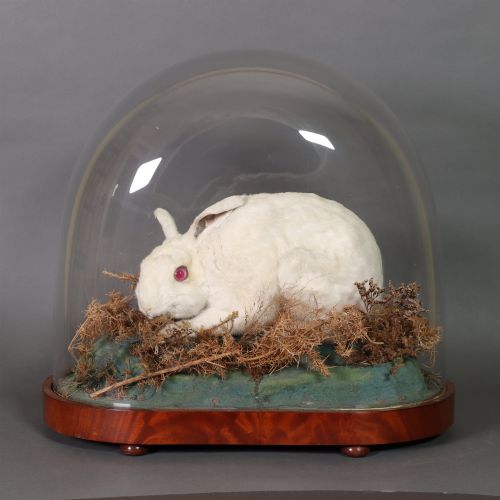
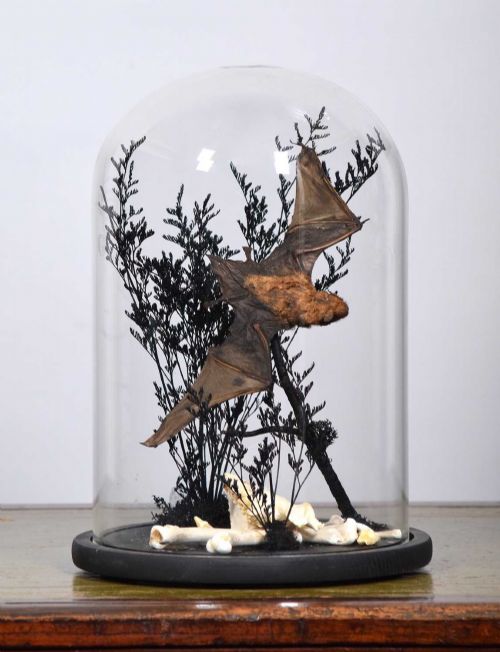
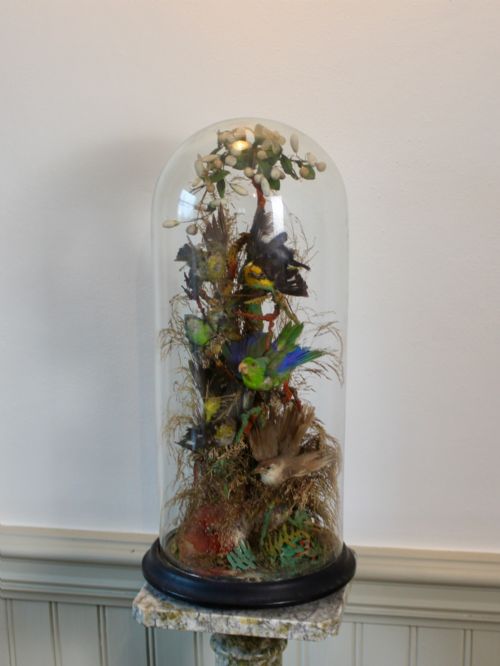
Most examples encountered on this page originate from the nineteenth and early twentieth centuries, reflecting the Victorian and Edwardian fascination with natural history and scientific collecting. These pieces serve as self-contained display cases, often housing specific specimens like rabbits, bats, birds of paradise, and botanical compositions.
The objects combine blown glass covers with fitted bases, which frequently take the form of ebonised wood or beech. While some contain elaborate taxidermy scenes, others function as general display domes or clock cases adapted for botanical specimens and butterflies.
How they were made
The construction of a glass specimen dome relies on mouth-blown glass techniques to create the characteristic curved bell or oval covers, paired with turned wooden bases made from materials such as ebonised wood and beech. The glass protects the interior while offering an unobstructed view of the contents from all angles.
Listings feature items from both the Victorian and Edwardian periods, utilising materials such as glass, ebonised wood, beech, and taxidermy specimens.
What varies in quality
The quality of a glass specimen dome depends heavily on the clarity and thickness of the blown glass cover, where superior examples exhibit minimal distortion and fewer bubbles in the material. Finer pieces also feature substantial wooden bases finished with careful ebonising or polished wood grains that complement the enclosed display.
The intricacy and preservation of the internal specimen further define the piece, particularly in examples containing complex taxidermy compositions by known practitioners. The proportion between the height of the glass dome and the stability of the base dictates the overall visual balance and historical integrity of the object.
James Gardner·A Pollard
The Glass Specimen Dome Glossary
- Dome
- A convex glass cover designed to fit securely onto a wooden base. It protects delicate interior displays from dust and handling.
- Ebonised wood
- Timber treated with a dark stain or finish to imitate ebony. This material frequently forms the base of Victorian display pieces.
- Taxidermy
- The art of preparing, stuffing, and mounting the skins of animals for display. Specimens of birds and small mammals frequently appear beneath these glass covers.
- Cloche
- A bell-shaped glass cover used similarly to a dome. The term appears interchangeably with display cases in historical listings.
- Showcase
- A glass-enclosed cabinet or dome designed to exhibit valuable or delicate items. These pieces highlight botanical and zoological collections.
Glass Specimen Dome: Frequently Asked Questions
What fits inside a glass specimen dome?
These enclosures traditionally house preserved natural history items, including taxidermy birds, mammals, insects, and botanical specimens.
Makers also arranged feathers, fur, and natural vegetation into decorative compositions secured to the wooden base beneath the glass.
How do I clean a glass dome?
The glass cover can be lifted carefully from its base and wiped down with a soft cloth and standard glass cleaner. Care must be taken to avoid disturbing the delicate historic materials housed inside.
The wooden base should be dusted gently with a dry cloth to preserve the original finish.
Are these domes original to the Victorian period?
Many examples date from the Victorian and Edwardian eras, matching the height of natural history collecting in the nineteenth and early twentieth centuries.
Materials like ebonised wood and hand-blown glass reflect the manufacturing techniques and stylistic preferences of those periods.
How do I tell Victorian and Edwardian domes apart?
Victorian examples often feature deep ebonised wooden bases paired with hand-blown glass covers that may show slight natural irregularities.
Edwardian pieces sometimes incorporate lighter timbers like beech and tend towards taller proportions suited to specific collector requirements.