


Curiosity Cabinet Glass Dome
These curiosity cabinet glass dome displays protect and showcase intricate taxidermy specimens beneath clear blown glass.
Curiosity Cabinet Glass Dome
A curiosity cabinet glass dome presents preserved specimens behind clear blown glass, safeguarding delicate taxidermy and natural objects from dust and handling. These pieces emerge predominantly from the Victorian period, spanning the late nineteenth century around eighteen seventy to nineteen hundred.
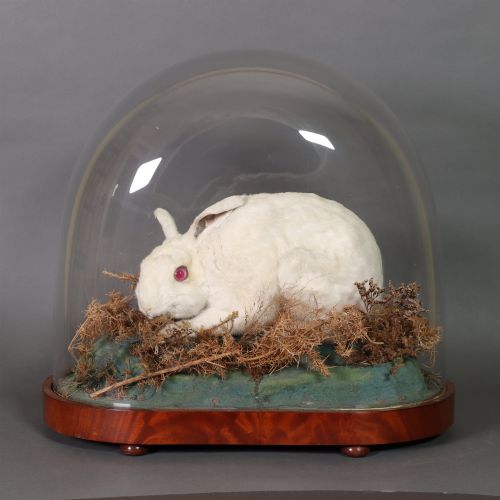
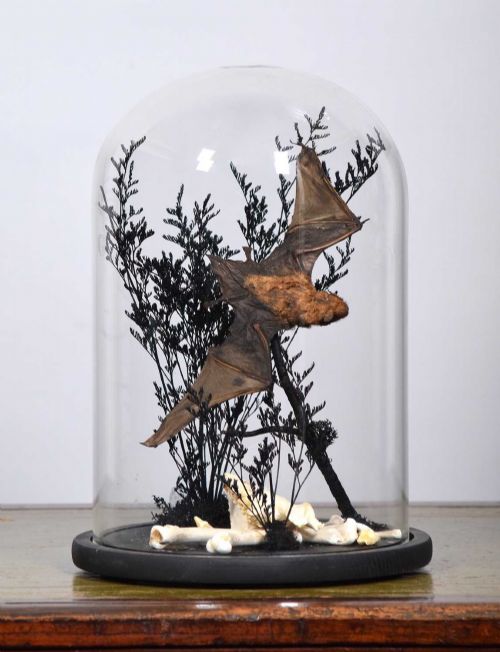
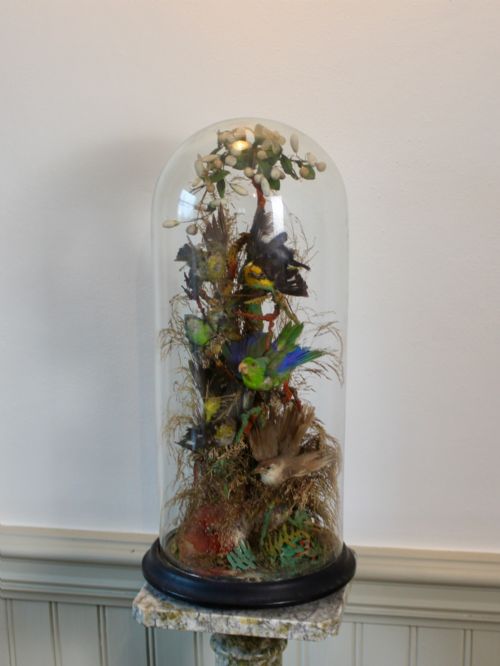
The objects residing inside these display cases include birds of paradise, bats, snow buntings, albino rabbits, and complex botanical compositions using natural vegetation, feathers, and fabric. Enclosures take various forms, including tall showcase domes, oval diorama domes, and flat-sided domes.
Most examples originate from English workshops and taxidermists operating during the nineteenth century. Collectors encounter both simple protective glass covers and elaborate naturalist compositions housed on ebonised wood bases.
Materials and Construction
Glassmakers blew thin transparent glass to form protective cloches and domes, which sit securely upon turned wooden bases. These bases commonly utilise ebonised wood, providing a dark, contrasting foundation for the specimens within.
Taxidermists prepared specimens using fabric, velvet, and fur to recreate natural perches and settings. Natural vegetation and feathers complete the interior dioramas, fixed within the glass enclosures to preserve the composition.
Snow buntings prefer flat-sided glass domes, perhaps to avoid a distorted view of the British winter.
Factors Determining Quality
The clarity and thickness of the blown glass dome influence the overall quality, alongside the absence of major bubbles or distortions in the material. Superior examples feature well-turned ebonised wood bases that fit the glass rim precisely.
Taxidermy artistry dictates the distinction between standard specimens and masterworks. The intricacy of multi-bird compositions, the preservation condition of feathers and fur, and the attribution to known London taxidermists elevate the standing of a piece.
James Gardner·Henry Ward London·A Pollard
The Curiosity Cabinet Glass Dome Glossary
- Glass dome
- A transparent blown glass cover designed to protect and display delicate objects. It rests upon a fitted base.
- Ebonised wood
- Timber treated with a dark stain or finish to imitate ebony. This material forms the foundation for many display domes.
- Taxidermy
- The art of preparing, stuffing, and mounting the skins of animals for display. Victorian practitioners arranged birds and mammals inside glass enclosures.
- Diorama
- A three-dimensional scene depicting wildlife or natural history specimens in a simulated habitat. These arrangements sit protected beneath glass.
- Cloche
- A bell-shaped glass cover used for display and protection. The term is often used interchangeably with glass dome.
Curiosity Cabinet Glass Dome: Frequently Asked Questions
What is inside a curiosity cabinet glass dome?
These glass domes contain Victorian taxidermy specimens, including exotic birds, bats, small mammals, and botanical compositions. Natural vegetation, feathers, and velvet often form the interior landscape beneath the glass.
The arrangements range from single specimens like an albino rabbit or a snow bunting to complex groupings of multiple colourful birds originating from nineteenth-century English workshops.
How do you date a glass display dome?
Dating relies on the manufacturing characteristics of the glass, the style of the ebonised wood base, and the specific taxidermy methods used inside. Most pieces date from the Victorian era between eighteen seventy and nineteen hundred.
Written attribution labels beneath the wooden base or signatures associated with known London taxidermists also provide precise chronological placement.
Where were these glass domes made?
The majority of these display domes originate from English workshops and taxidermy establishments active during the nineteenth century. Prominent taxidermists in London supplied collectors with specialised showcase specimens.
Master practitioners constructed both the preserved animal compositions and the accompanying wooden display bases to house natural history collections.