
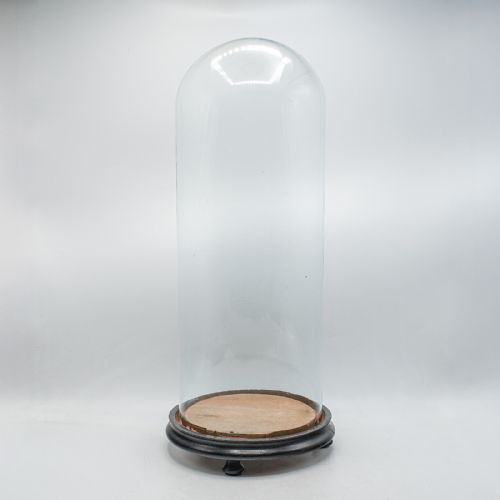


Tall Glass Display Cloche
A tall glass display cloche provides a clear canopy for cherished specimens and keepsakes, protecting delicate items while keeping them visible from every angle.
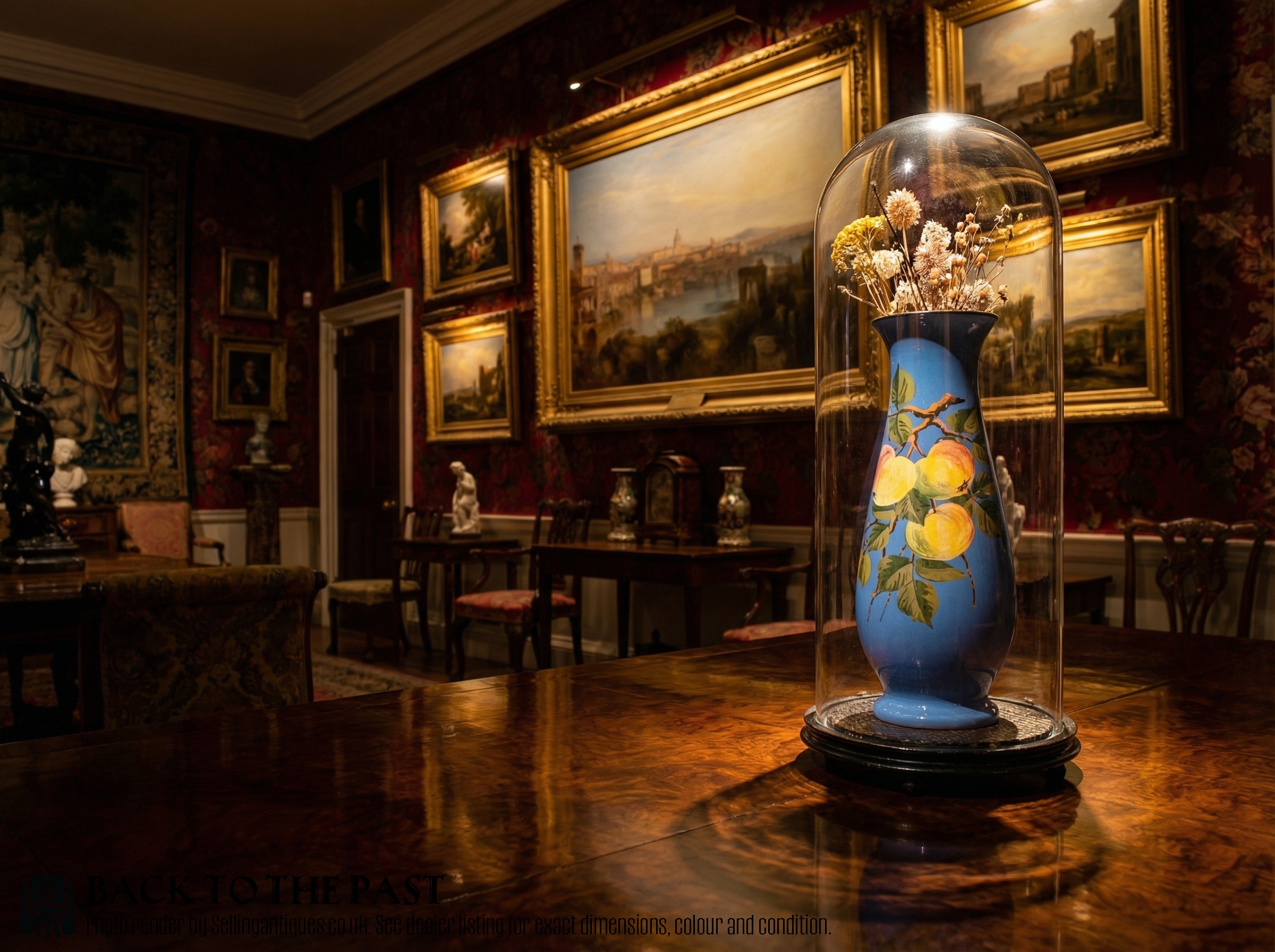
Tall Glass Display Cloche
A tall glass display cloche serves as a protective cover for intricate displays, commonly taking the form of a tall antique display dome or specimen showcase. These pieces house taxidermy, ornaments, and collectors' items under clear glass.
The versions met most frequently on this page originate from the Victorian and Edwardian eras, around 1900. They arrive as glass domes and display cases designed to present curiosities with clarity.
English craftsmanship dominates the selection, featuring oval dioramas and large clock domes. Each structure balances transparent glass with a fitted base to support the contents inside.
How they were made
Makers fashioned these covers from blown or formed glass, creating smooth curved surfaces that rested securely upon wooden bases. The clear material offered uninterrupted views of the specimens placed beneath.
Bases utilised timber such as walnut and incorporated ebonised wood or marquetry decoration. Some examples included fabric or velvet linings on the interior floor to cushion the display items.
Victorian taxidermists occasionally posed small animals to mimic human tea parties inside these very glass domes.
What varies in quality
Quality rests in the clarity and consistency of the glass canopy, where finer examples maintain uniform thickness without distortion. The selection of base materials also distinguishes the pieces, with figured walnut and detailed marquetry marking out superior production.
Proportion and scale dictate the visual success of the piece, particularly in taller specimens where the dome must balance the weight of the timber base. Superior craftsmanship shows in the precise fit between glass rim and groove.
The Tall Glass Display Cloche Glossary
- Cloche
- A bell-shaped glass cover used to protect delicate objects or display pieces. The term shares its roots with the French word for bell.
- Ebonised wood
- Timber treated to imitate ebony through staining or finishing. This dark surface provides a contrasting frame for the glass dome above.
- Marquetry
- The art of applying pieces of veneer to a structure to form decorative patterns. Craftsmen utilised this technique on the wooden bases of display domes.
- Diorama
- A three-dimensional scene enclosed within a case or dome. These arrangements often featured taxidermy specimens within a simulated natural habitat.
Tall Glass Display Cloche: Frequently Asked Questions
What fits inside a tall glass display cloche?
These enclosures accommodate taxidermy specimens, collector's items, and intricate ornaments that require protection from dust. The vertical clearance suits objects with height.
Historically, owners displayed natural history specimens, clocks, and delicate models beneath the glass to preserve them while keeping them visible.
How do I date a Victorian glass dome?
Dating relies on stylistic clues in the wooden base, such as ebonised finishes or marquetry patterns typical of the nineteenth century. Victorian examples often feature heavy timber platforms.
Edwardian pieces from around 1900 display similar taxidermy showcase formats, though subtle shifts in wood turning and proportion help distinguish the manufacturing era.
Where were these glass domes placed?
Victorian and Edwardian households positioned these display cases on tables, cabinets, and mantelpieces. Collectors used them in studies and drawing rooms to exhibit specimens.
The tall proportions made them suitable for floor-standing cabinets or prominent surfaces where visitors could inspect the contents closely.