


Antique Taxidermy Case
An antique taxidermy case preserves birds, fish, and mammals behind glass, bringing natural history specimens and Victorian domestic interiors into modern rooms.
Antique Taxidermy Case
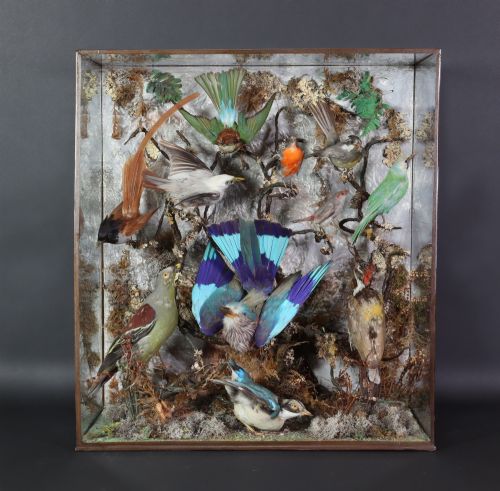
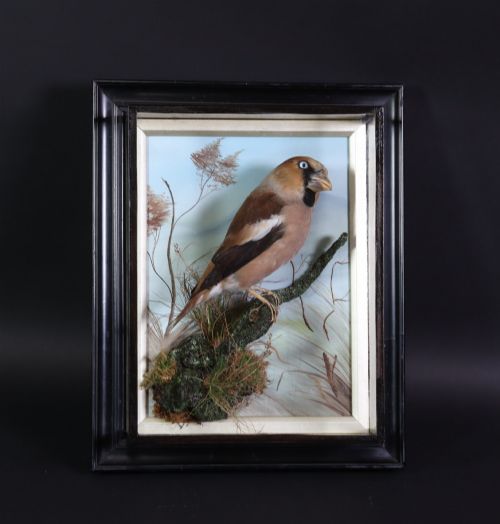
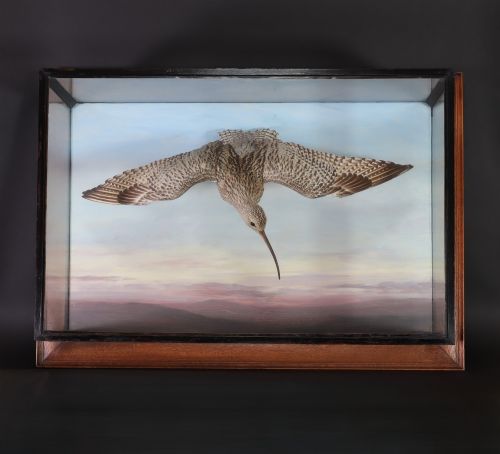
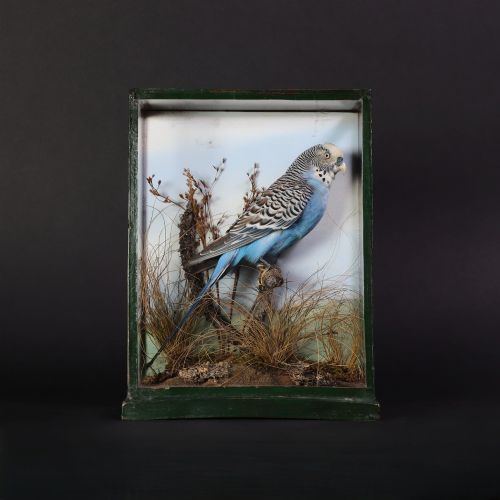
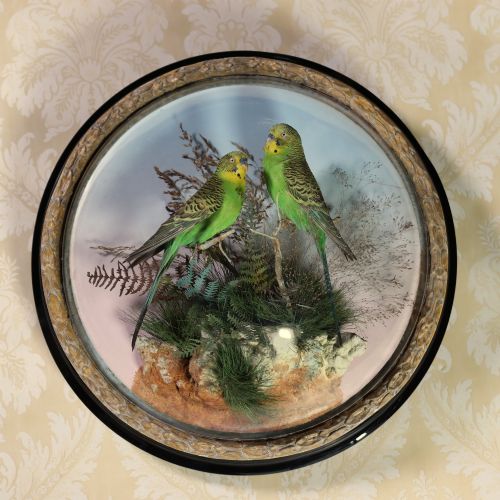
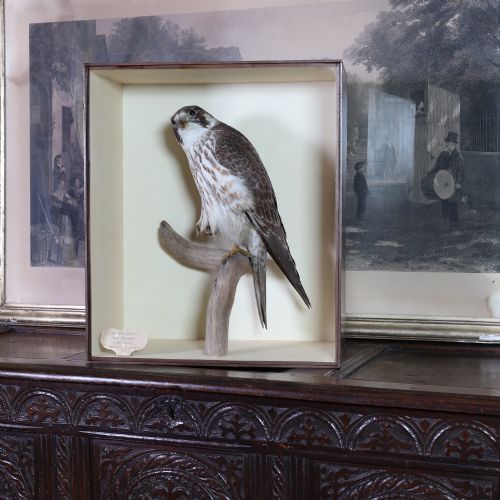
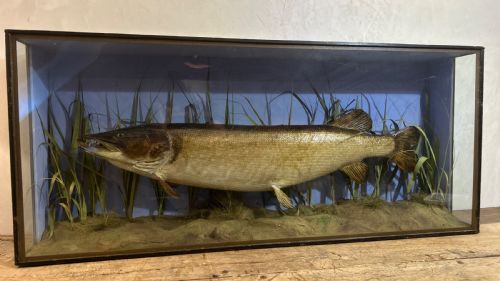
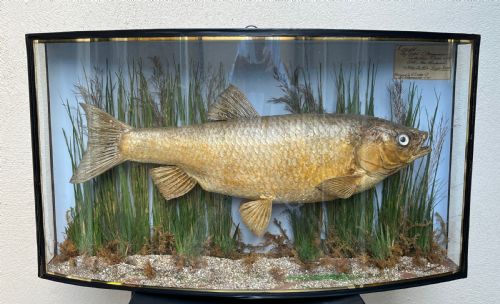
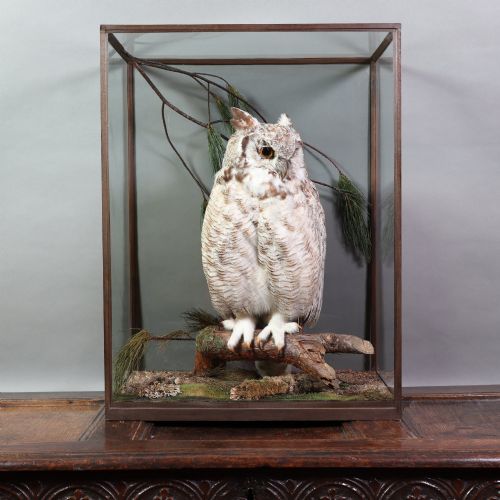
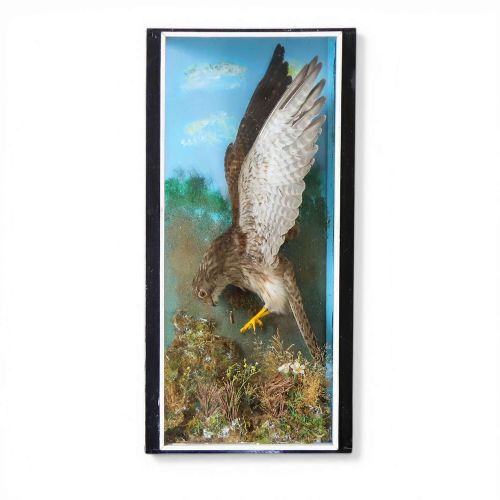
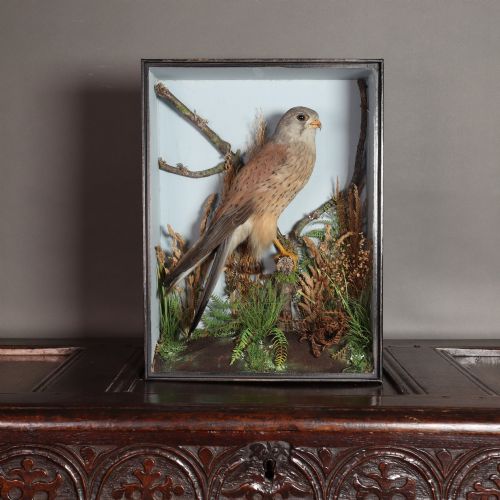
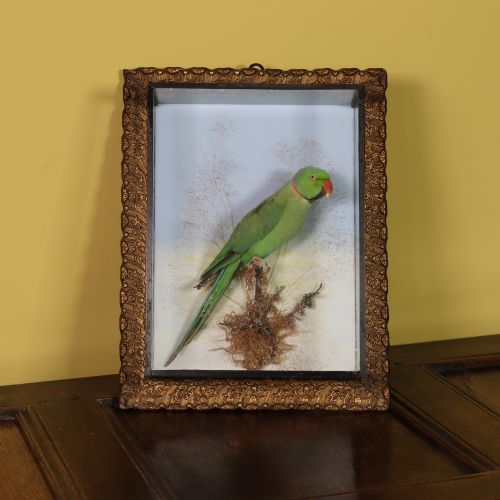
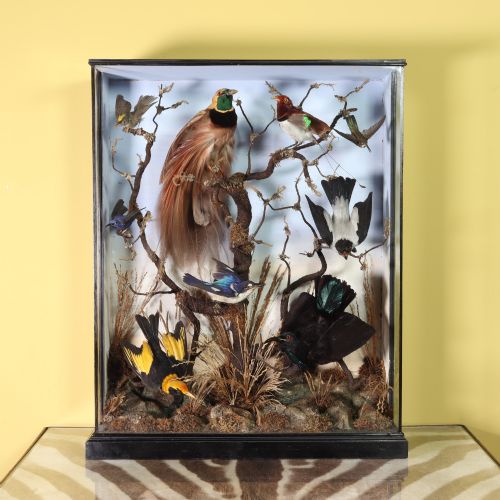
When buyers search for an antique taxidermy case, they encounter framed glass enclosures, wall-hanging dioramas, and tabletop showcases built to house preserved specimens. These pieces emerged primarily during the Victorian and Edwardian eras, reflecting a widespread fascination with natural history, ornithology, and sporting life.
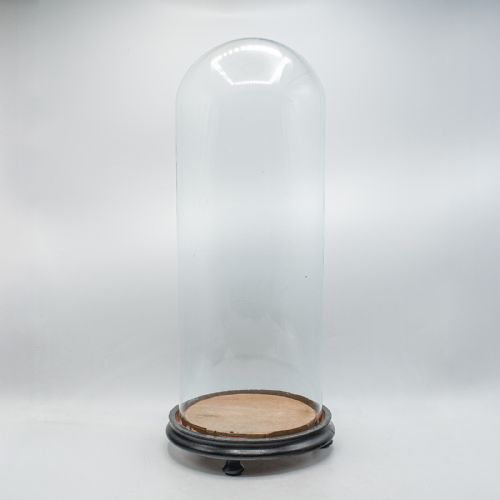
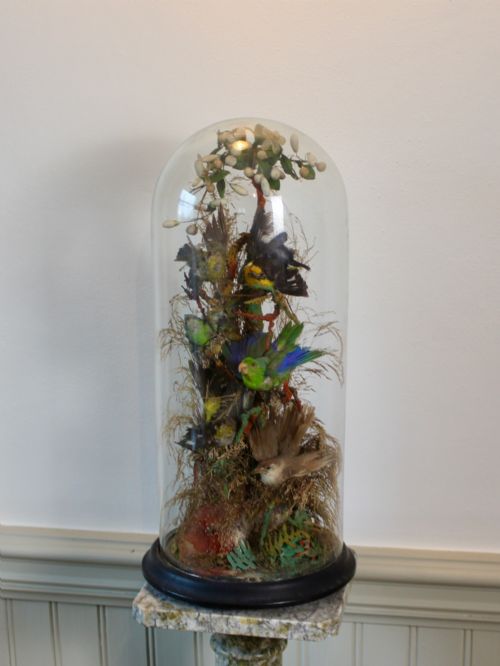
The most common examples on this page are upright wooden or ebonised cases framing British and exotic birds, fish, and mammals in naturalistic settings. Alongside these flat and three-dimensional cases, freestanding glass display domes and cloches protect delicate compositions of feathers, moss, and preserved specimens from dust and handling.
How They Were Made
Makers constructed these enclosures using seasoned timber, ebonised wood, mahogany, or oak, fitted with large panes of clear glass to maximise visibility from multiple angles. Interiors incorporated painted scenic backdrops, paper elements, fabric, and dried moss to recreate natural habitats for the preserved specimens.
Taxidermists mounted birds, fish, and mammals over wire and body armatures before arranging them within the glazed wooden or bell-bottom structures. Finished pieces often relied on tightly sealed frames or wooden bases to protect the internal paper, feathers, and organic materials from moisture and pests.
Antique Taxidermy Case Retail Price Guide 2026
Typical asking prices for taxidermy case among the pieces listed under this phrase on Sellingantiques today, from the lower quarter to the upper quarter. They describe what is for sale here now, not the wider market.
Object forms span taxidermy display cases, glass domes, cloches, picture frame cases, and wall-hanging cabinets.
What Varies in Quality
The distinction between ordinary and exceptional pieces rests upon the realism of the mounting and the artistry of the interior landscape. Master practitioners created balanced compositions with painted backgrounds that added genuine depth, whereas lesser examples relied on sparse foliage and flat, uninspired settings.
Provenance and documentation also separate standard commercial work from high-end output, particularly when identified by renowned practitioners or established firms. The clarity of the glass, the solidity of the timber frame, and the survival of the original backing paper influence the overall integrity of the piece.
Little & Co·J Griffiths of Burford·Rowland Ward Ltd·T. E. Gunn·William Bazeley & Sons·S. King·Hutchings of Aberystwyth·James Jones·J. Cooper & Sons·James Gardner·W.F. Homer·Davis & Co
The Antique Taxidermy Case Glossary
- Cloche
- A bell-shaped glass cover used to protect delicate taxidermy specimens and displays from dust. These clear glass covers sat upon wooden or mirrored bases.
- Ebonised
- Wood treated with a dark stain or finish to imitate expensive ebony. This dark surface treatment was particularly popular on Victorian display frames and cabinets.
- Diorama
- A three-dimensional scene featuring taxidermy specimens arranged within a painted or naturalistic setting. These enclosed settings often depicted birds or mammals in simulated habitats.
- Entomology case
- A specialised wooden and glass cabinet designed for housing insect specimens. These scientific containers protected delicate collections of butterflies and beetles.
Antique Taxidermy Case: Frequently Asked Questions
Where should I place a taxidermy display in my home?
Position your display on a sturdy sideboard, table, or wall bracket away from heat sources and fluctuating temperatures. Stable indoor conditions prevent the wood from warping and protect the delicate organic contents.
Choose a spot with indirect ambient light so the painted backdrops and specimens remain clear without fading over time.
How can I tell a Victorian case from an Edwardian one?
Victorian examples frequently feature heavier ebonised wood frames, elaborate naturalistic moss settings, and deep shadow boxes with detailed painted backdrops. Edwardian pieces often lean towards lighter oak frames and simpler, cleaner architectural lines.
Examining the backing paper, construction fixings, and any maker signatures often clarifies the production era.
What types of animals appear most often?
British birds such as kingfishers, owls, jays, and pheasants form a large portion of the available specimens, alongside freshwater fish like roach and trout. Exotic birds from South America, Africa, and Australia also appear in select nineteenth-century presentations.
Mammals such as badgers, otters, and domestic pets occur less frequently than avian subjects.