



Mounted Bird Display
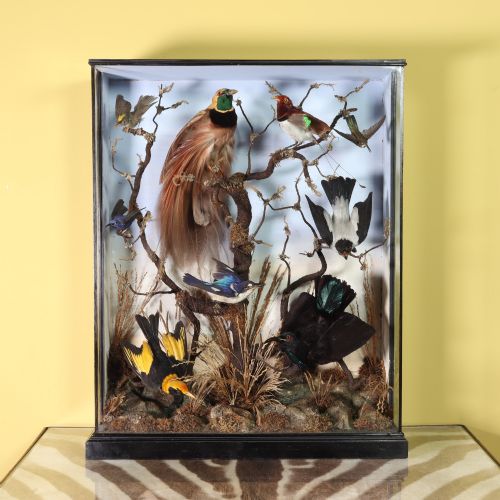
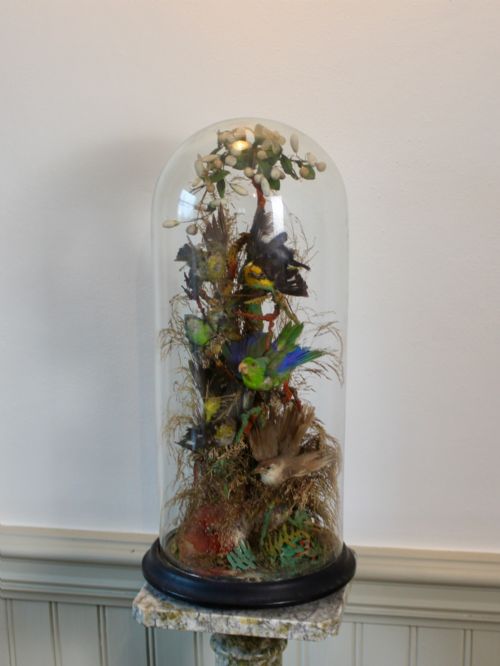
A mounted bird display preserves natural history inside glass domes and painted wooden cases, offering an interior focal point for collectors of nineteenth-century interiors.
Mounted Bird Display
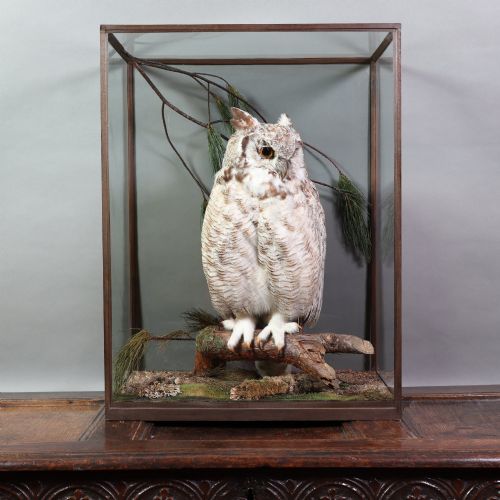
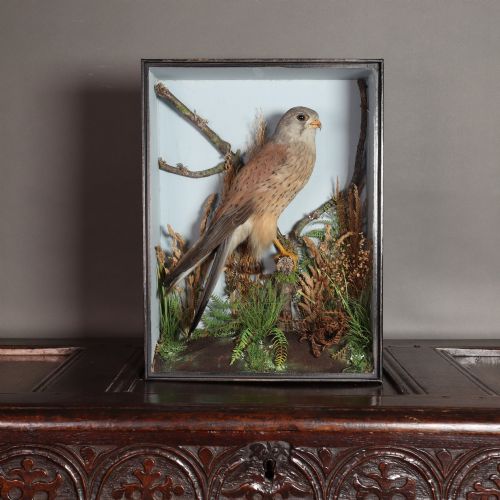
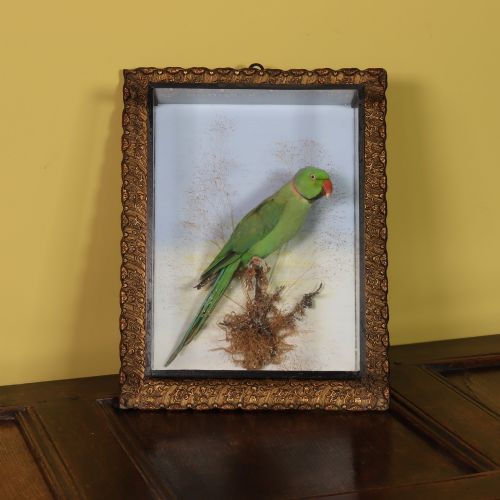
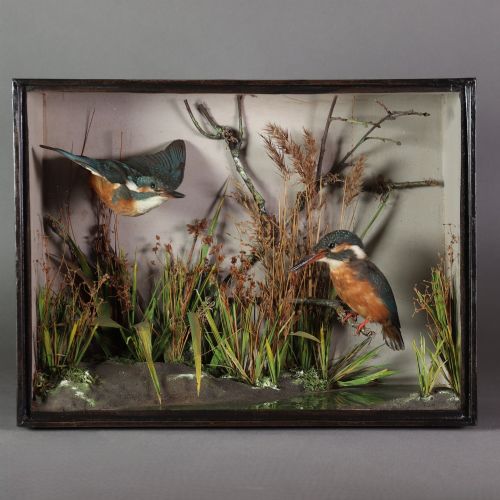
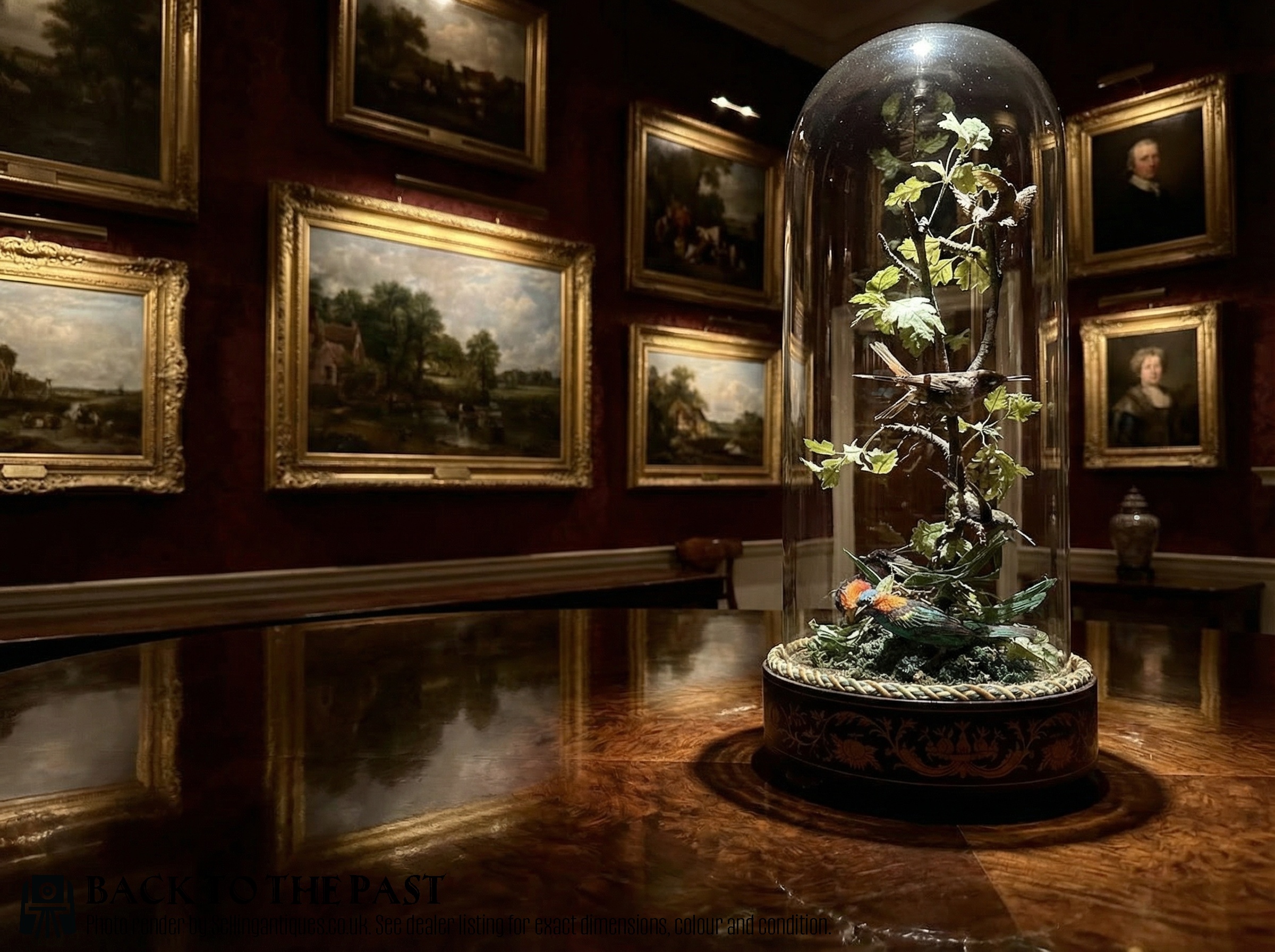
A mounted bird display captures avian specimens within glass cases, wooden frames or glass domes, reflecting nineteenth-century natural history enthusiasm. Buyers encounter single subjects like owls, kingfishers and kestrels alongside multi-bird compositions representing exotic or native species.
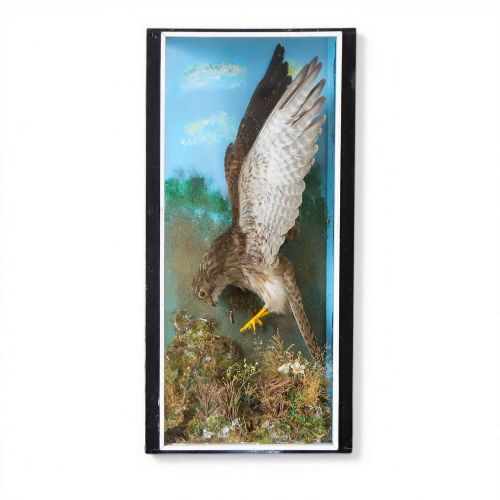
Most examples originate from the Victorian, Edwardian and early twentieth-century periods, often housed in glazed timber enclosures. These arrangements range from compact picture frame cases to large dioramas featuring painted backgrounds and dried vegetation.
Makers such as Rowland Ward Ltd, T. E. Gunn and James Gardner shaped the field, producing signed works that survive within regional British and international traditions. The selection includes domestic birds alongside specimens sourced from South America, Australia and New Guinea.
How they were made
Preserved specimens of feathers and skin are shaped over wire and bodily armatures, then arranged within wooden or glass housings. Taxidermists incorporate moss, dried vegetation and painted paper backdrops to simulate natural habitats.
Enclosures utilise timber frames, glass domes and painted cases to protect fragile avian specimens from dust and humidity. Glazing techniques range from simple square oak boxes to curved glass domes designed for all-round visibility.
Listings feature Victorian and early twentieth-century pieces utilising glass, wood, feathers, moss and preserved specimens.
What varies in quality
The artistry of the taxidermist determines the natural posture, proportion and anatomical realism of the bird specimen. Master practitioners capture lifelike expressions and dynamic groupings, whereas lesser works appear stiff or disproportionate.
Habitat execution and framing integrity distinguish finer compositions from standard pieces. Detailed painted backdrops, naturalistic moss arrangements and original signed maker labels elevate the historical significance and visual depth of the display.
J Griffiths of Burford·Rowland Ward Ltd·T. E. Gunn·William Bazeley & Sons·A Pollard·James Gardner·W.F. Homer London
The Mounted Bird Display Glossary
- Taxidermy
- The art of preparing, stuffing, and mounting the skins of animals for display. This technique forms the foundation of all avian natural history specimens.
- Dome
- A convex glass cover set upon a base to enclose and protect delicate mounts. These circular glass housings allow unobstructed viewing from every angle.
- Diorama
- A three-dimensional scene featuring specimens set against a painted background. Such compositions recreate outdoor environments using artificial and dried elements.
- Charger
- A large decorative plate or dish displayed on walls or furniture. Examples in this field feature enamel depictions of avian subjects.
- Specimen
- An individual animal gathered for scientific study or decorative presentation. These preserved subjects document historical ornithological collections.
Mounted Bird Display: Frequently Asked Questions
How do I care for a mounted bird display?
Keep enclosed glass cases out of direct sunlight to prevent feather fading and timber warping over time. Dust the exterior glass gently with a soft microfibre cloth without applying liquid cleaners.
Avoid opening sealed historic cases, as maintaining a stable internal atmosphere protects the preserved specimens and dried vegetation from environmental decay.
Where were these bird displays made?
Many examples originate from British taxidermy workshops located in London, Norwich, Northampton and the Cotswolds during the Victorian era. Other pieces reflect continental European traditions or incorporate exotic birds from international expeditions.
Specialist firms and regional practitioners prepared these specimens for domestic interiors, natural history cabinets and educational collections across the nineteenth and early twentieth centuries.
How do I identify different periods?
Victorian examples frequently feature dense interior vegetation, heavy timber frames and hand-written maker labels beneath the glass. Edwardian and later pieces often adopt cleaner painted wooden cases with simplified backgrounds.
Taxidermy styles evolved from simple solitary mounts toward immersive landscape dioramas as natural history collecting grew more sophisticated towards the twentieth century.