


Inlaid Wood Base
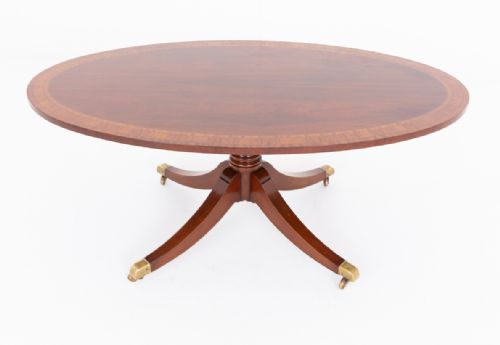
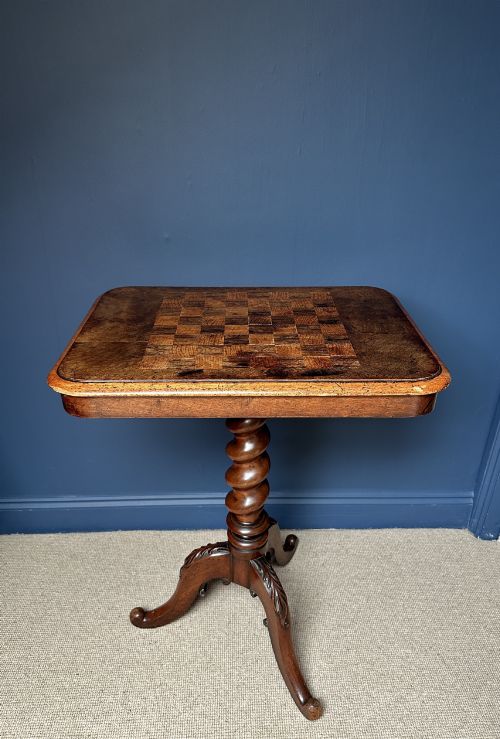
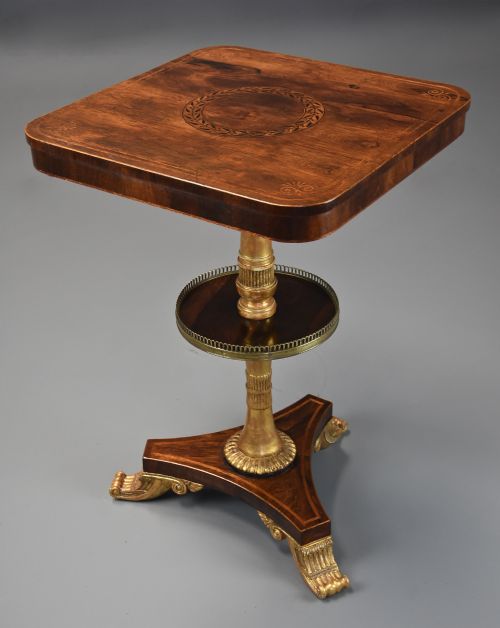
An inlaid wood base brings together contrasting timbers and precise marquetry or brass work to support tables, teapoys, and sculptures.
Inlaid Wood Base
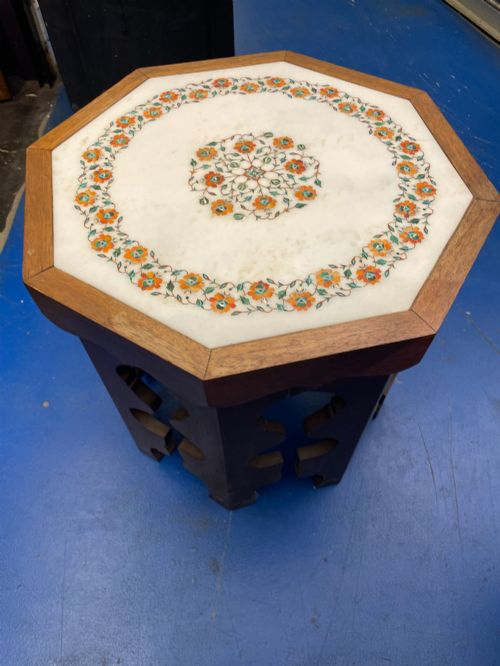
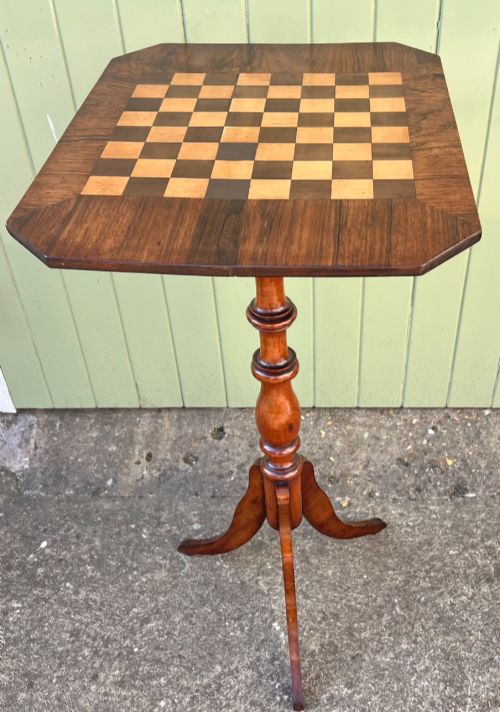
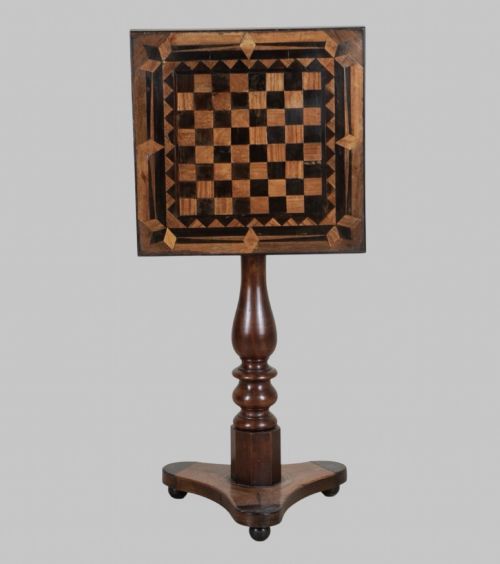
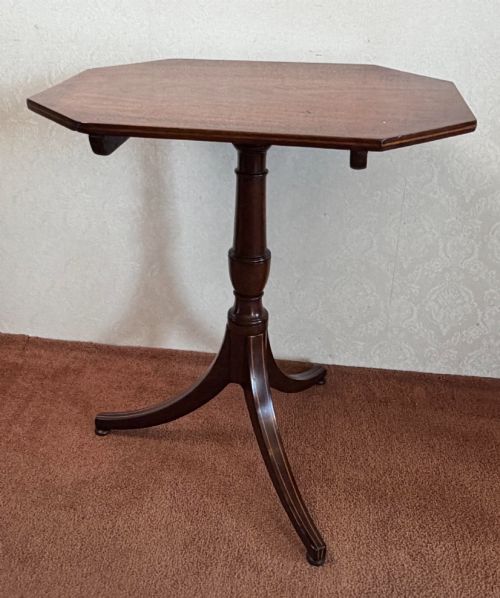
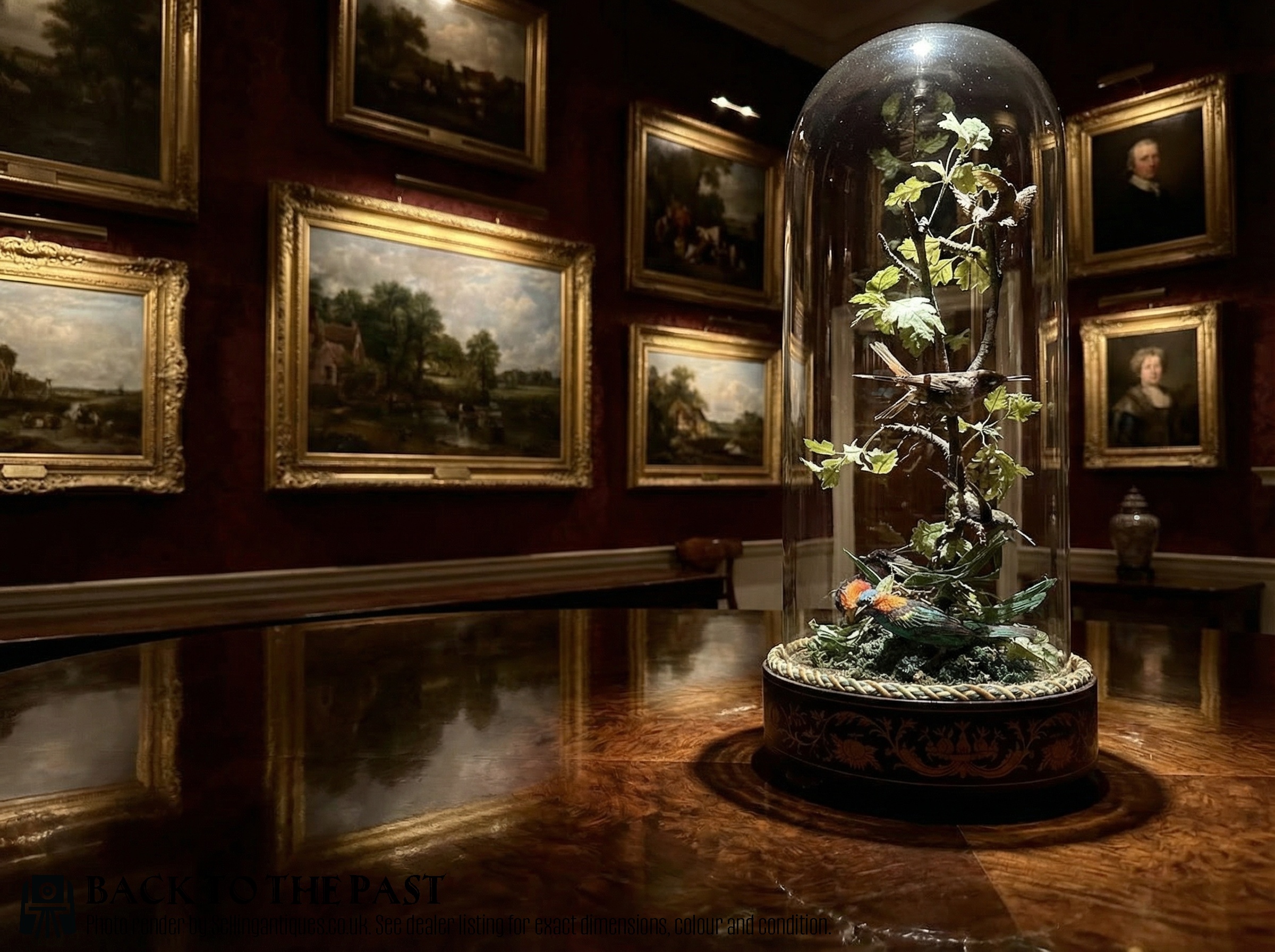
An inlaid wood base forms the structural foundation or supporting stand for various antique furnishings, most commonly encountered here as tables, teapoys, and sculptural mounts. These items frequently date from the Georgian, Regency, and Victorian periods, often utilising solid foundations enriched with decorative surface work.
The objects span practical furniture and decorative supports, ranging from pedestal centre tables and nest of tables to specialised tea-poys and bronze figure mounts. The defining characteristic across these forms is the integration of contrasting wood veneers, boxwood lines, or brass inlay into the structural base or its supporting top.
Originating across British and continental workshops, as well as colonial centres such as Ceylon and India, these pieces reflect distinct regional timber preferences. Rosewood, mahogany, and burr walnut dominate the selection, providing durable cores for intricate surface decoration.
What varies in quality
The standard of an inlaid wood base rests on the precision of the timber matching and the crispness of the individual inlay elements. Superior examples display tight, seamless joints where contrasting woods meet, avoiding visible filler or uneven gaps.
Material selection dictates the upper tier of pieces, where dense rosewood, burr walnut, and intricate specimen woods are utilised instead of plain secondary timbers. The depth of the carving on the structural legs and the integrity of the original polish further separate standard production from exceptional craftsmanship.
Listings feature pieces spanning the Georgian, Regency, Victorian, and Edwardian periods, constructed in rosewood, mahogany, burr walnut, and satinwood.
Mawer and Stephenson·Gritzner and Co
The Inlaid Wood Base Glossary
- Marquetry
- The art of creating decorative patterns on a wooden surface by fitting together small pieces of veneer. This technique allows for complex pictorial or geometric designs using varied timber colours.
- Parquetry
- A geometric mosaic of wood pieces used for decorative floors and table tops. It creates repeating patterns like cubes or chequers.
- Teapoy
- A small stand or table designed to hold tea caddies, originating during the Georgian period. They often feature elaborate internal compartments and decorative pedestal bases.
- Specimen wood
- Furniture constructed using a multitude of different native and exotic timbers. These pieces showcase natural colour variations without added stain.
- Boxwood
- A dense, pale yellow wood frequently used for stringing and fine inlay work. Its uniform grain allows for sharp, precise cutting.
Inlaid Wood Base: Frequently Asked Questions
What periods do these pieces date from?
The selection spans from the Georgian era through the Regency period and into the Victorian age, with examples also reaching into the early twentieth century.
Specific eras bring distinct aesthetic choices, moving from restrained Georgian cabinet work to elaborate Victorian burr walnut and marquetry.
How do I care for inlaid wooden furniture?
Maintain these pieces by keeping them away from direct heat sources and strong sunlight, which can dry out the timber and loosen delicate veneers.
Apply a traditional beeswax polish occasionally and buff gently with a soft cloth to protect the original polished finish.
What woods are most common?
Mahogany and rosewood form the primary structural timbers across the majority of pieces, accompanied by burr walnut on later Victorian examples.
Details and stringing frequently incorporate boxwood, satinwood, and various exotic specimen timbers to create strong visual contrast.
How do I distinguish Regency from Victorian pieces?
Regency items typically display classical restraint, featuring brass inlay, rosewood surfaces, and clean geometric lines inspired by antiquity.
Victorian pieces often embrace heavier proportions, incorporating elaborate burr walnut, rich marquetry, and heavily carved pedestal bases.